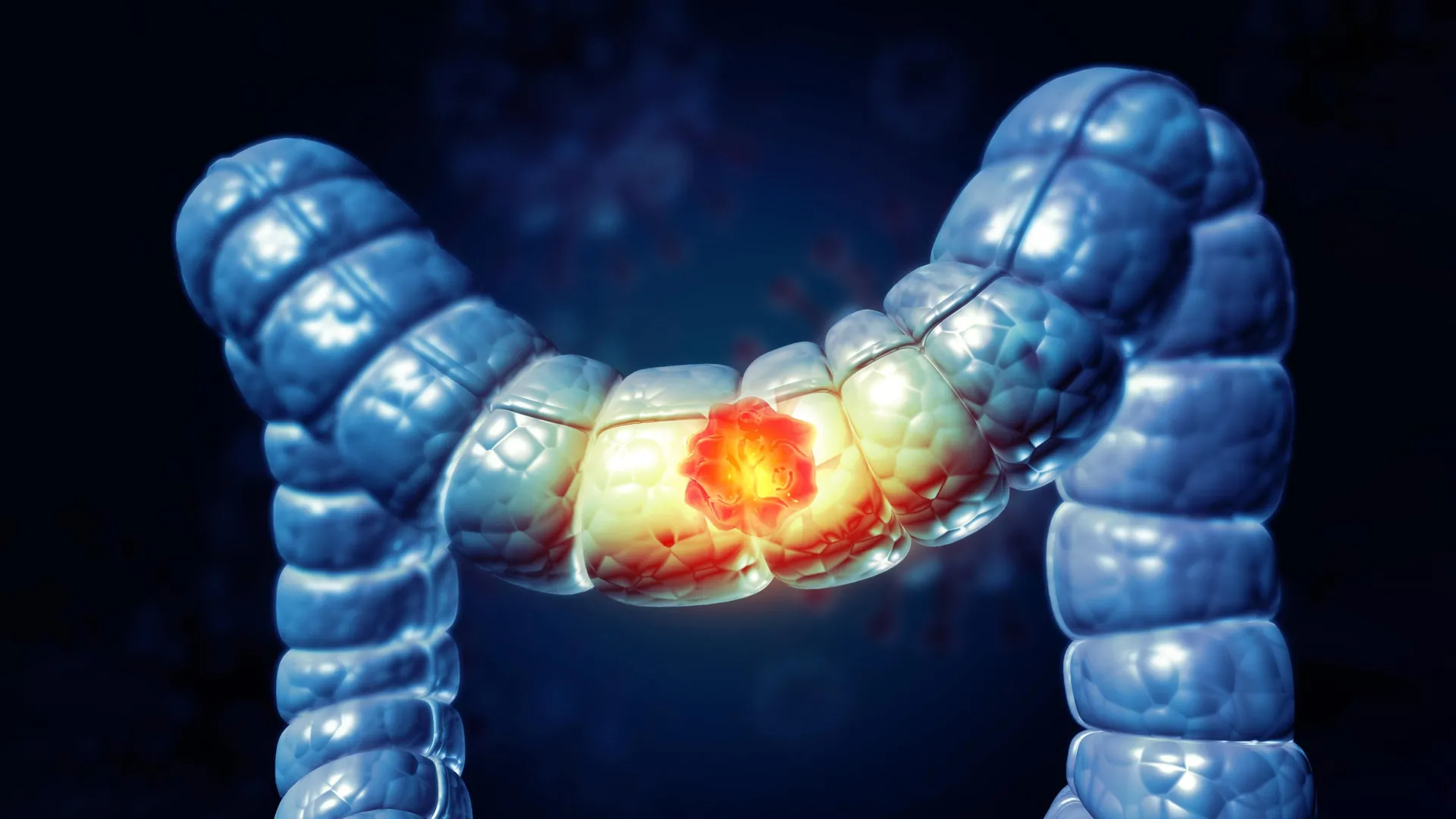
Colorectal cancer rates are falling among older adults, largely because of increased screening. But researchers are seeing a troubling shift in younger people, with more cases now appearing in adults under 50, including some in their thirties. A new nationwide study from Switzerland found that diagnoses in this age group have been steadily rising for decades, while younger patients are also more likely to receive a late-stage diagnosis.
The research was led by scientists from the University of Geneva (UNIGE) and the Geneva University Hospitals (HUG). Published in the European Journal of Cancer, the study analyzed nearly 100,000 colorectal cancer cases recorded in Switzerland over a 40 year period. The findings point to a growing public health concern and highlight the need for greater awareness of early warning signs.
Colorectal Cancer Rates Rising in Younger Adults
Colorectal cancer is currently the third most commonly diagnosed cancer worldwide and the second leading cause of cancer deaths. According to the World Health Organization, more than 1.9 million new cases were reported globally in 2022, resulting in nearly 900,000 deaths.
The highest rates of colorectal cancer are seen in Europe, Australia, and New Zealand, while Eastern Europe has the highest death rates linked to the disease.
In Switzerland, colorectal cancer ranks among the country’s three most common cancers, with around 4,500 new diagnoses every year. Although screening programs have helped reduce cases among adults over 50, researchers say the opposite trend is unfolding in younger age groups across many wealthy nations.
“Cases are now emerging in people in their thirties, with no personal or family history of the disease. These patients are often diagnosed late, by which time metastases are already present,” explains Dr. Jeremy Meyer, privat-docent in the Department of Surgery at the UNIGE Faculty of Medicine and a Senior Consultant Surgeon in the Division of Digestive Surgery at the HUG.
Swiss Study Tracks 40 Years of Cancer Data
Working with Dr. Evelyne Fournier, an epidemiologist at the Geneva Cancer Registry at UNIGE, Meyer conducted the first national Swiss study focused specifically on early-onset colorectal cancer.
The researchers examined 96,410 colorectal cancer cases diagnosed between 1980 and 2021. The data came from the Geneva registry and the National Agency for Cancer Registration, which compiles information from cantonal cancer registries across Switzerland.
The study found that cancers diagnosed before age 50 accounted for 6.1% of all colorectal cancer cases. Among younger adults, incidence rates rose by about 0.5% per year, eventually reaching nearly 7 cases per 100,000 person-years.
That increase stood in sharp contrast to the decline seen among adults between ages 50 and 74, the age group most commonly targeted for screening. In that population, rates dropped by 1.7% in men and 2.8% in women.
“Our study also shows that the observed increase primarily concerns rectal cancers in both men and women, as well as right-sided colon cancers in young women. These differences suggest the presence of distinct biological or environmental mechanisms,” says Evelyne Fournier.
The researchers also found that younger adults were more likely to have advanced cancer at the time of diagnosis. Nearly 28% of patients under 50 already had metastatic disease when diagnosed, compared with about 20% of older patients.
Warning Signs and Earlier Screening
The research team says greater awareness of colorectal cancer symptoms could help improve earlier detection. Persistent abdominal pain, blood in the stool, unexplained weight loss, and lasting changes in bowel habits should not be ignored, particularly in younger adults who may assume they are too young to develop the disease.
“Some countries, such as the United States, have chosen to lower the screening starting age to 45. In cases of increased familial risk or hereditary colorectal cancer, screening should be carried out even earlier,” says Jeremy Meyer.
Researchers are still trying to understand why colorectal cancer is increasing in younger adults. Possible contributing factors include changes in diet and lifestyle, rising obesity rates, and environmental exposures early in life that may affect the gut microbiome. However, scientists say there is still no single explanation that fully accounts for the trend.