Maybe music was better back when you were a kid.
That’s at least a conclusion some may reach based on a study Luminate released on Wednesday, which suggests that with nostalgia in full force, younger audiences are starting to veer away from current releases in favor of music released before they were even born.
According to Luminate, music listeners aged 13 to 24 — the most important and oft-targeted audience in the industry — are getting more active in embracing music from the 1990s or earlier, while the number of listeners who say music from the 2020s is their favorite is going down.
To be clear, the 2020s remains the most popular decade among those listeners now, though, as Luminate reported Wednesday, the numbers have been trending downward for the past five years: In 2021, 55 percent of poll responders in that age group said music released in the 2020s was their favorite, but as of 2025, the number dropped to 44 percent. Meanwhile, back in 2021, 18 percent of responders said music from the 1990s and earlier was their favorite, but that number has climbed to 25 percent last year.
Luminate’s study further affirms the ongoing comeback of the 1990s overall, as ’90s music was the fastest-growing decade by streams from Q2 2024 to Q2 2025, growing eight percent. The 2000s came in second with 7 percent growth. The ’90s was also the most-consumed decade among the general population according to the Luminate study, as 64 percent of listeners in the poll said they listen to the ’90s. The ’80s came in second at 58 percent, followed by the 2000s at 57 percent and the 2020s at 53 percent.

Luminate suggests the ’90s boom can be attributed to older millennials now having reached the age where their children are now teenagers. They’ve exposed their kids to the music they liked in their formative years, and their children are consuming more of that music too. Luminate also suggested it influenced a surge in new Y2K-coded acts as well, such as Addison Rae and PinkPantheress. By that logic, the 2000s and 2010s are likely due for a resurgence in the coming years as well as younger millennials’ children come of age as well.
The resurgence of older music can also of course be attributed to the streaming era overall, which has shown that music fans’ habits overall are to listen to their favored catalog tracks rather than what just came out. Music Business Worldwide reported back in 2022 that 73 percent of music consumption on streaming services in the U.S. stemmed from catalog music (music released more than 18 months ago) rather than new songs.
Those habits have been affirmed on the charts too, as hits like Teddy Swims’ “Lose Control” had spent so much time on Billboard‘s Hot 100 chart that the publication eventually changed its metrics.
Also playing a factor is the resurgence of physical media, as vinyl has gone from a niche collector’s item among audiophiles to a mainstream purchase for fans.
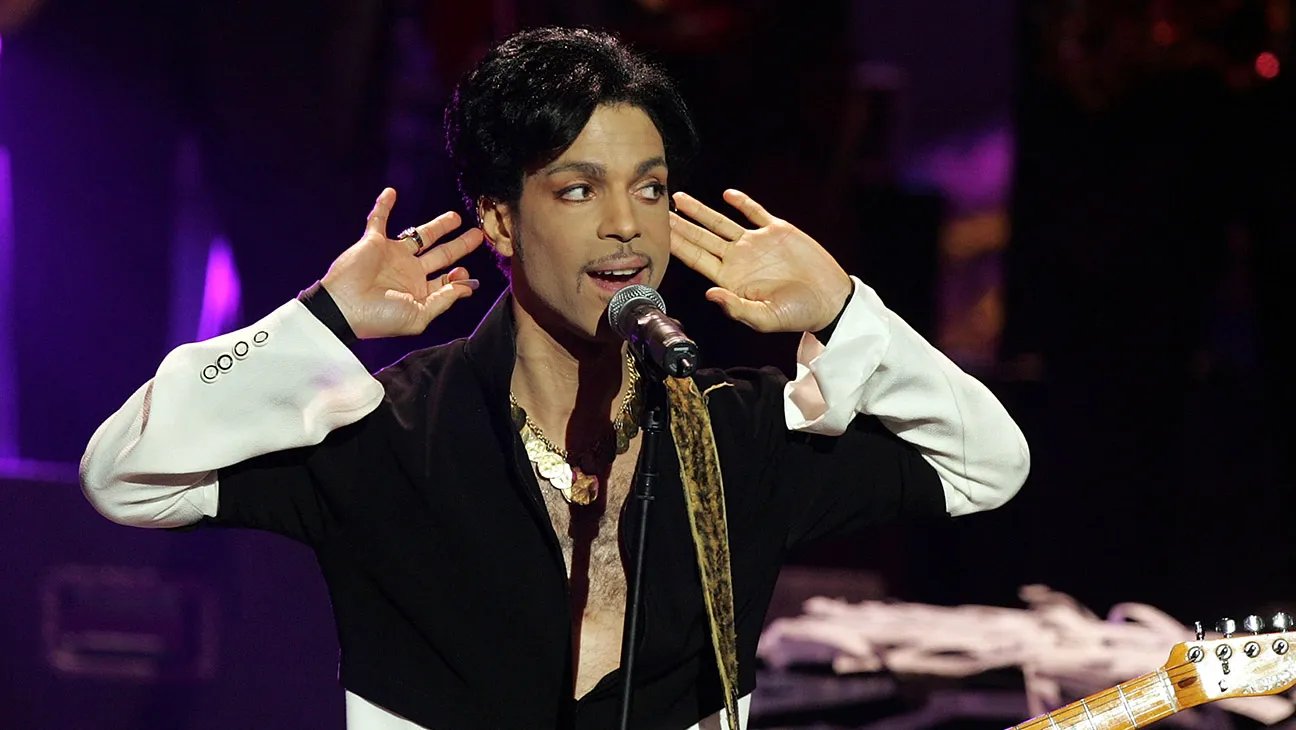
Then of course there’s placements in media as well. Right now, Michael Jackson is seeing a huge surge thanks to the Michael biopic, as “Billie Jean” and “Beat It” are both in Spotify’s Global Top 10 today. Stranger Things helped bring a resurgence to Prince’s “When Doves Cry” and “Purple Rain” when the songs were featured in the show’s final season, while Kate Bush’s “Runnin’ Up That Hill” famously hit a huge surge from the show back in 2022.
Catalog tracks have proven popular on TikTok as well as previous hits’ catchy hooks and choruses have become the backdrops for video trends on the platform, as shown by songs like Fleetwood Mac’s “Dreams” and Sophie Ellis-Bextor’s “Murder on the Dance Floor.”
Luminate’s study also compiled the fastest-growing catalog titles by streams, and every song on the list was released in the ’90s and 2000s. At the top of the list was Imogen Heap’s “Headlock,” which had a 172.1 million increase, while Radiohead’s “Let Down” and “Creep” followed for second and third.