No one can stop the wealthy from taking their holidays. Whether coasting down snowy mountains or rubbing shoulders with fellow elites on luxury cruises, they will always find a way to indulge in leisure and excess, sometimes even on the cusp of an outbreak.
In January 2020, a German tourist vacationing in the Canary Islands tested positive for the novel coronavirus, becoming Spain’s first confirmed COVID-19 case. The patient, along with five other German nationals travelling with him, was placed under observation. Authorities later discovered that the tourist had been in contact, in Germany, with a Chinese businesswoman infected with COVID-19 before travelling to the archipelago. The episode foreshadowed a pattern that would define the pandemic: Pathogens moved quickly along the same routes as wealthy tourists, business travellers, and international elites.
During the early months of COVID-19, the virus was frequently associated with affluent mobility. Early outbreaks were linked to ski holidays, business trips to Wuhan, and luxury cruises that served as vectors of disease transmission. As Bjorn Thor Arnarson wrote in Scientific Reports, “human transportation was needed to distribute the virus to new places.” Those moving most freely across borders were overwhelmingly affluent.
This dynamic produced strange public perceptions. In Mexico, Governor Luis Miguel Barbosa notoriously declared: “If you’re rich, you’re at risk, but if you’re poor, you’re not. The poor, we’re immune.” His comments were absurd, but they reflected a real phenomenon unfolding at the time. A number of Mexico’s wealthiest bankers had returned from a ski trip in Vail, Colorado, carrying the virus with them. When public health officials attempted to contact several members of the group about possible exposure, many reportedly failed to respond.
Yet diseases associated with elite mobility rarely remain confined to elites. Public health officials quickly encountered a familiar paradox: While affluent travellers often accelerate the international spread of disease, it is usually poorer populations who suffer most once outbreaks become entrenched. During COVID-19, wealthier families fled to second homes, worked remotely, and insulated themselves from exposure, while working-class populations continued labouring in crowded cities, factories, and public transport systems. The wealthy carried the virus across borders, but the poor absorbed much of the risk.
In this sense, pandemics often mirror the inequalities of globalisation itself: Those with the greatest freedom of movement generate disproportionate epidemiological risk, while those with the fewest resources are left most exposed to its consequences.
Class has long shaped not only vulnerability to disease, but also the social narratives built around epidemics. Tuberculosis was once romanticised as a disease of artists and intellectuals, partly because writers and painters documented their experiences with it. By contrast, diseases such as Ebola and HIV/AIDS became heavily associated with poverty. Still, the role of elite mobility in spreading infectious disease remains significant in an increasingly globalised world. The same tensions between wealth, mobility, and vulnerability resurfaced during the recent hantavirus scare on board the MV Hondius.
When the MV Hondius departed Ushuaia, Argentina, on April 1, its passengers embarked on a luxury voyage towards Cape Verde. The ship was carrying 88 passengers and 59 crew members from 23 countries. Some reportedly paid up to 18,000 euros ($21,000) for the journey. Few could have imagined they would become the centre of an emerging hantavirus outbreak that has since been linked to seven confirmed cases, two suspected cases and three deaths.
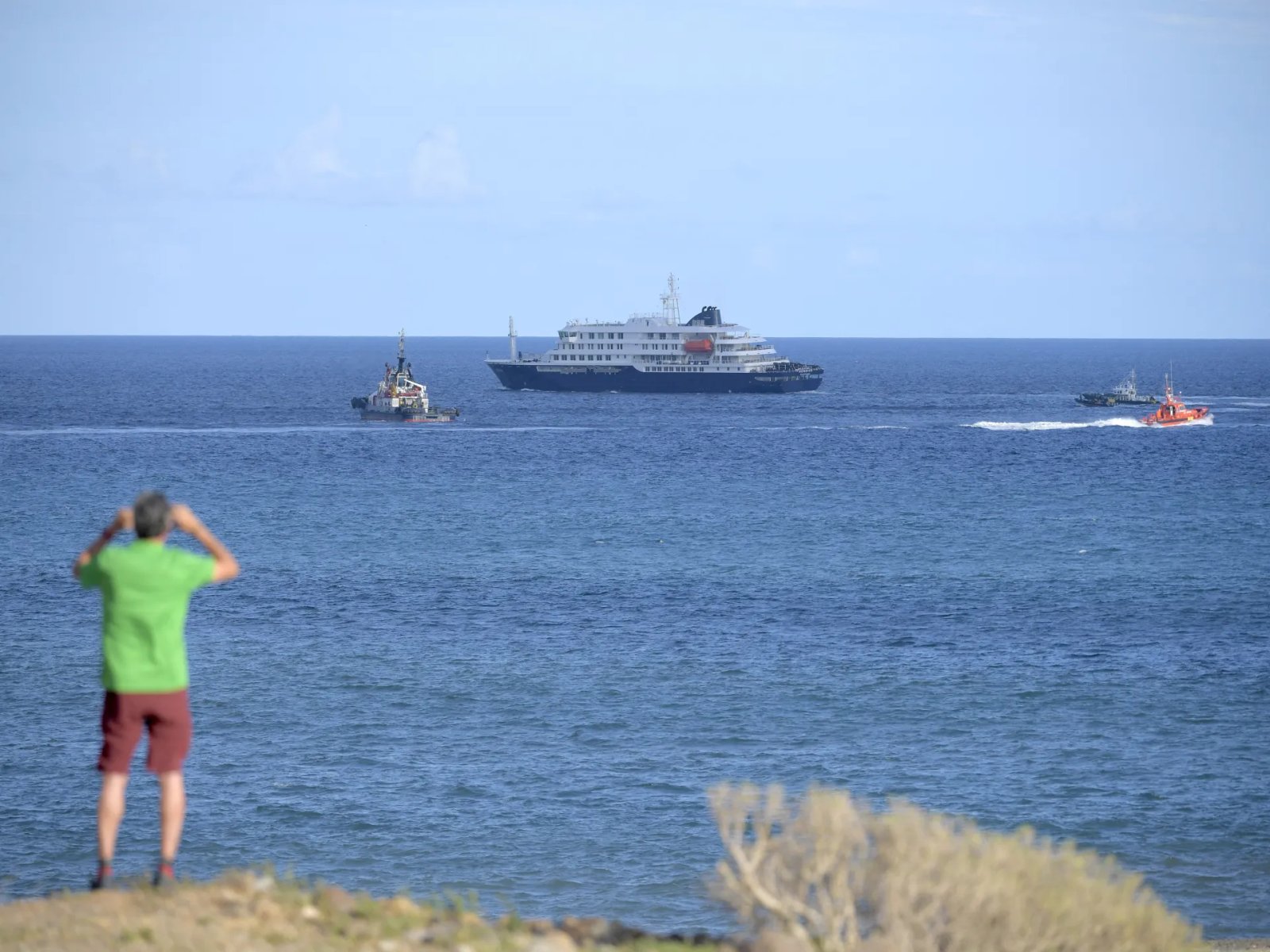
As the ship approached the Canary Islands in May, Spanish authorities initially refused to allow it to dock. After protests from passengers and their families, a compromise was reached permitting the vessel to remain offshore near Tenerife. Fernando Clavijo, president of the Canary Islands, defended the decision by warning that infected rodents on board the ship could potentially reach land and spread the disease. Spanish health officials later downplayed that possibility, but the episode revealed a broader anxiety: Wealthy travellers may introduce pathogens into regions where local populations ultimately bear the consequences.
The COVID-19 pandemic transformed how many people view elite travel itself. Long before the pandemic, affluent tourism was criticised for its carbon footprint and environmental impact. COVID-19 added another dimension: The microbial consequences of unrestricted global mobility. The effects are rarely distributed equally. Poorer populations, particularly in the Global South, remain more vulnerable to outbreaks because of overcrowding, weaker healthcare systems, water shortages, and climate pressures that intensify the spread of disease.
This raises an uncomfortable political question: Should wealthy societies bear greater responsibility for the epidemiological risks generated by elite mobility?
Emerging infectious diseases can escalate rapidly into international crises, destabilising economies and costing countless lives. The outbreak on board the MV Hondius was not simply an isolated maritime incident, but a reminder of how deeply inequality shapes global health itself. Even during moments of quarantine and emergency, mobility remains stratified. Wealthy passengers returned home to medical monitoring and treatment, while the regions exposed to potential outbreaks were left to manage the uncertainty and risk.
The story of the MV Hondius ultimately reveals a familiar reality of globalisation: The privileged remain the most mobile people on earth, but rarely the most exposed to the consequences of that mobility.
The views expressed in this article are the author’s own and do not necessarily reflect Al Jazeera’s editorial stance.