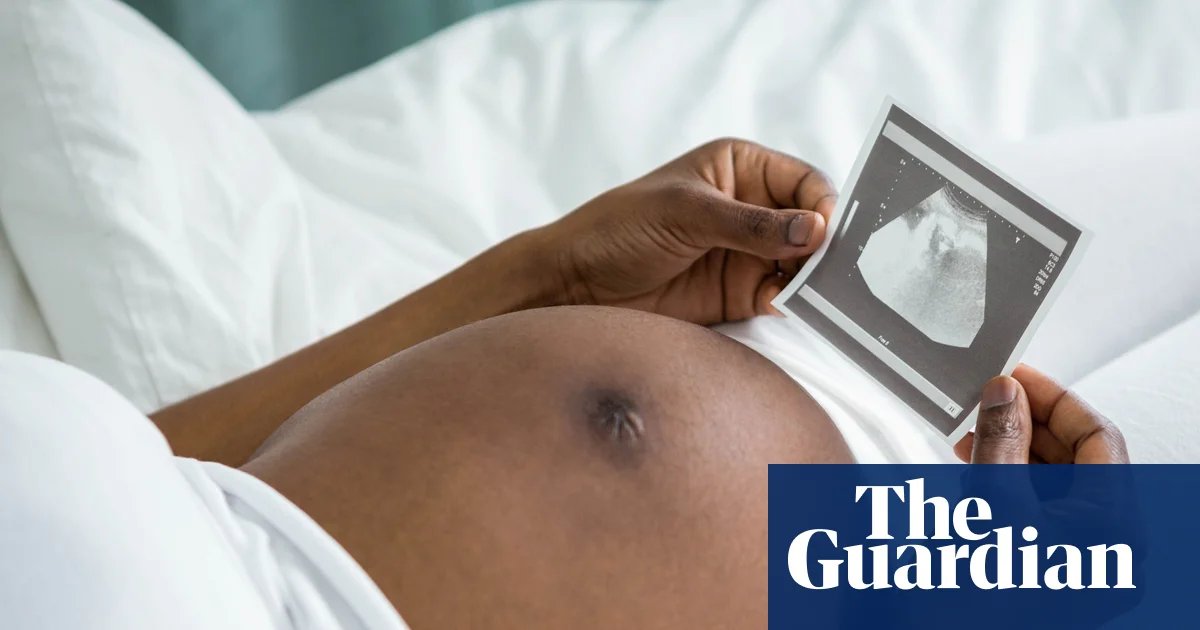
Stress from racism and deprivation could explain why black women are more likely to die during childbirth, a study has found.
Researchers reviewed 44 existing studies that examined three physiological pathways associated with worse pregnancy outcomes: oxidative stress, inflammation, and uteroplacental vascular resistance, and found black women had higher levels of the three metrics.
Such physiological differences are not the result of genetic differences, according to the researchers, but rather suggest that socioenvironmental stressors such as systemic racism and deprivation, which are known to have a measurable biological effect, may influence the body’s ability to function healthily during pregnancy.
Grace Amedor, of the University of Cambridge, the first author of the peer-reviewed study published in the journal Trends in Endocrinology and Metabolism, said: “Pregnancy and childbirth put great stress on a woman’s body. Black women may experience additional strain due to factors including systemic racism, socioeconomic disadvantage and environmental stressors.
“During pregnancy, this strain may affect key biological processes in ways that increase the risk of conditions such as pre-eclampsia. I was surprised that although this disparity had been known for a long time, there was little research into the potential underlying physiological reasons.
“It’s important that we don’t stop trying to tackle the root causes that lead to worse pregnancy outcomes in black women, which are the socioeconomic disparities and the systemic racism they can experience throughout their lives.”
Increased uteroplacental vascular resistance involves the tightening of blood vessels which can reduce blood flow to the placenta, while higher oxidative stress occurs when damaging molecules called reactive oxygen species overwhelm the body’s antioxidant defences. High levels of inflammation are also linked to worse pregnancy outcomes.
Such complications are strongly associated with pre-eclampsia, preterm birth and foetal growth restrictions, which negatively affect the health outcomes of pregnant women and their children.
Black women in the UK are 2.7 times more likely to die during childbirth compared with their white counterparts, and are also more likely to experience serious birth complications and perinatal mental health illnesses. Black babies are also twice as likely to be born stillborn compared with their white counterparts.
Prof Dino Giussani, also from the University of Cambridge and who was a senior author of the study, said: “The significant disparity in pregnancy complications between black and white women is well-known and has often been explained in terms of differences in medical care, alongside broader social and environmental inequalities. We’ve found these exposures can disproportionally affect black women’s bodies, making them less able to function healthily during pregnancy.”
Dr Jenny Barber, the vice-president of the Royal College of Obstetricians and Gynaecologists, said: “It is unacceptable that black women and babies continue to face significantly higher health risks during pregnancy and childbirth than white women in the UK. This study explores how important physiological processes may be impacted by systemic racism and socioeconomic disadvantages, which could be a factor in the persistently poorer outcomes impacting black women. We hope the findings encourages further research in this area.
“Ending racial and ethnic health inequalities is possible but requires a coordinated cross-government action to tackle the root causes of inequality. We also need to see sustained investment going into maternity services so that every pregnant woman can receive safe, personalised, and compassionate care.