Member States establish joint process to support reforms of global health architecture
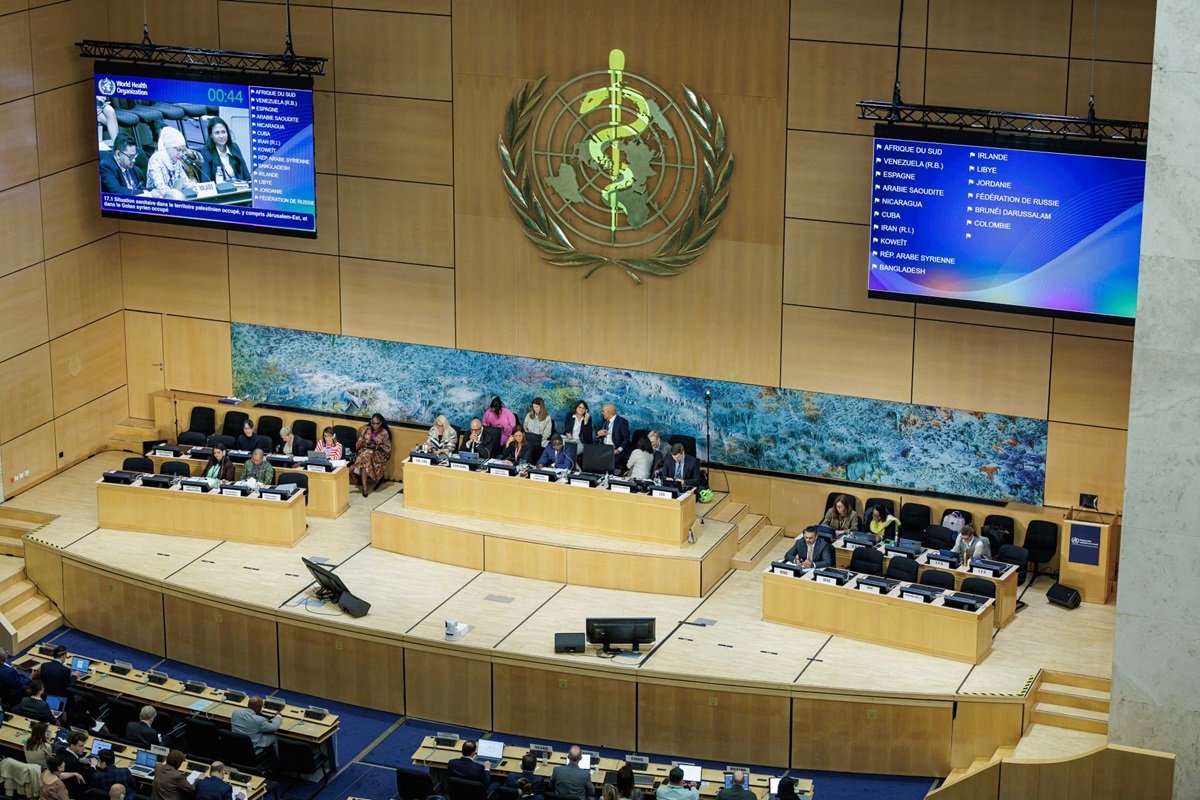
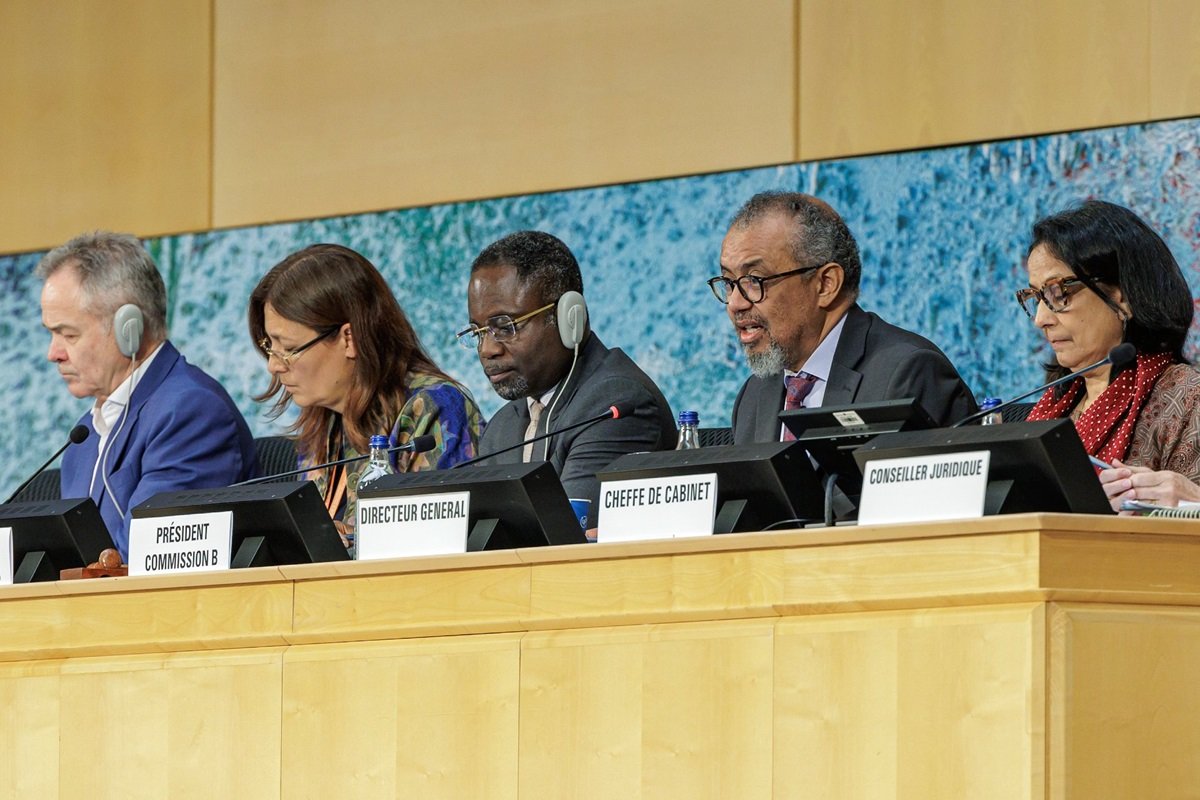
The World Health Assembly today decided to establish a joint process led by Member States, hosted by WHO and with global health partners to support reforms of the global health architecture.
The Assembly agreed that the process should develop options and recommendations for reforms of the global health architecture to meet the specific and collective needs of countries and communities, to maximize access, impact and equity. The process should draw on existing reform initiatives and relevant elements of the UN80 Initiative.
Member States expressed strong support for WHO’s central convening and normative role, emphasizing that while the process will be Member State-led, it should be taken forward jointly with global health initiatives and UN partners, with meaningful engagement of key stakeholders, including civil society and youth.
The proposal adopted by the Assembly recognized the health improvements generated from the existing global health architecture in recent decades, including in disease control, global norms and standards, and more effective collective action to address cross-border health threats. But Member States noted that the global health architecture had not kept pace with the new and evolving global environment. This included the expansion of national health sovereignty and regional capacities; changing disease burdens and health risks; rapid evolution of science, AI and digital technologies; and contractions in health financing.
In addition, the global health landscape had become more complex due to the expansion in the number of health actors, resulting in power imbalances, fragmentation and duplication, which have impacted country ownership and leadership.
The Health Assembly requested the WHO Director-General to submit a final report with options and recommendations for the transformation of the global health architecture to next year’s World Health Assembly.
Related links
Member States consider communications of the United Nations Secretary-General as depositary of the Constitution of WHO
The World Health Assembly, meeting in Committee B on the sub item titled “Communications of the United Nations Secretary-General as depositary of the Constitution of the World Health Organization,” considered several proposals regarding Argentina’s withdrawal notification from the World Health Organization, and agreed a compromise text by consensus.
The Assembly, which is mandated under the WHO Constitution to consider such matters, took note of Argentina’s communication and decided that while WHO will always welcome Argentina’s full cooperation in the organization’s work, no further action at this stage is desirable.
Related link
Countries agree on first-ever Assembly resolution on stroke
Today, delegates approved the first-ever World Health Assembly resolution on stroke, titled “Reducing the burden of stroke: strengthening prevention, acute care, rehabilitation and health-system readiness”. Proposed by Egypt and jointly co-sponsored by Chile, Georgia, Palestine, Paraguay and Tunisia, the resolution reflects broad representation across WHO regions.
Its adoption comes at a critical moment. Over the past 20 years, the lifetime risk of stroke has increased by 50%, with 1 in 4 adults expected to experience a stroke in their lifetime. In 2021, stroke was the third leading cause of death and disability worldwide, accounting for an estimated 93.8 million cases, including 11.9 million new cases globally.
The resolution calls for stronger national and global action to reduce the burden of stroke through prevention, acute care, rehabilitation, and improved health system readiness. It also reinforces reporting accountability through the WHO Global NCD action plan 2023–2030 and the Intersectoral global action plan on epilepsy and other neurological disorders 2022–2031.
Related links
Member States advance smart global safety monitoring of medicines and vaccines
In a key milestone to improve access to safe and effective medicines and vaccines, the Assembly today approved a resolution to strengthen pharmacovigilance systems worldwide. The resolution recognizes risk-based prioritization of medicine and vaccine safety monitoring as a critical pillar of patient safety, resilient health systems and efforts to achieve universal health coverage.
The resolution responds to lessons learned from the COVID-19 pandemic and other health emergencies, which underscored the need for rapid detection and management of safety signals associated with medicines, vaccines and medical devices. It also highlights growing global challenges, including fragmented monitoring systems, unequal regulatory capacities, and the spread of mis- and disinformation that can undermine trust in science and public health interventions.
Member States committed to modernizing national pharmacovigilance systems, integrating patient reporting mechanisms, improving workforce capacity, and enhancing collaboration at national, regional and global levels. The resolution also highlights the growing potential of digital technologies, real-world data, and artificial intelligence to improve safety surveillance and regulatory decision-making, while emphasizing the importance of ethical considerations, transparency, data governance, and public trust.
WHO will continue to develop global guidance and technical tools on smart pharmacovigilance, support countries in strengthening regulatory and workforce capacities, and promote greater international collaboration and information sharing. Progress in implementing the resolution will be reported to future World Health Assemblies between 2028 and 2032.
Related links
New global strategy agreed to advance live-saving emergency, critical and operative care
The Assembly approved a groundbreaking new Global Strategy for Integrated Emergency, Critical and Operative (ECO) Care 2026–2035, which provides a roadmap to countries to strengthen health systems and deliver more timely, affordable, and quality ECO services across all levels of care at scale.
Conditions addressable by ECO span all major health areas, encompass the top global causes of death and disability, and account for an estimated 38 million deaths and 1.3 billion disability adjusted life years annually. Effective, integrated ECO services are essential to mitigate the impact of increasing public health risks, including outbreaks, conflicts, disasters and climate-related events.
However, many countries face persistent challenges, including health worker shortages, insufficient support systems, limited skills and equipment; and gaps in service design and delivery that lead to delayed recognition of illness and disrupted continuity of care.
WHO will set the direction and priorities for global ECO advocacy, partnerships and networks, articulate evidence-based policy options, and provide Member States with technical and strategic support. WHO will, in consultation with Member States, develop an action plan with targets for implementation of the strategy, by end of 2026.
Related links
Assembly backs stronger access to diagnostic imaging through teleradiology
Today, Member States endorsed a resolution to scale up efforts to strengthen equitable access to essential diagnostic imaging through teleradiology. Imaging is an essential component of health care for the timely detection, diagnosis, monitoring and management of communicable and noncommunicable diseases, trauma and other medical conditions, as well as for maternal and child health care. However, many communities – particularly those in remote or underserved areas – continue to face significant gaps in access to radiology services due to shortages of trained imaging professionals and limited infrastructure.
The resolution recognizes teleradiology – the secure transmission and remote interpretation of medical images – as a practical and cost-effective approach to expanding access to expert diagnostic services, strengthening health systems and advancing universal health coverage and health equity. It further draws attention to the growing role of digital health technologies and artificial intelligence in radiology, while emphasizing the need for strong governance, patient safety, ethical standards, data protection and clinical oversight.
Through the resolution, Member States agreed to integrate teleradiology into national health and digital health strategies, strengthen regulatory, procurement and workforce capacities, invest in secure digital infrastructure and promote regional and international collaboration.
WHO is also requested to provide technical assistance, develop normative guidance and facilitate global cooperation and knowledge-sharing to support the safe, ethical and effective implementation of teleradiology services, particularly in developing countries and underserved settings.
Related links
Countries adopt landmark resolution on precision medicine, putting equity at the centre
The Assembly has approved a landmark resolution on precision medicine, setting a global path toward more targeted, personalized and equitable health care.
Precision medicine uses clinical, molecular and genomic data to guide prevention, diagnosis and treatment – helping ensure the right care reaches the right person at the right time, improving outcomes and efficiency.
Member States underscored that precision medicine offers significant potential to accelerate progress toward universal health coverage. Evidence shows clear benefits, from improved survival in cancer through targeted therapies, to quicker diagnosis of rare diseases and safer and more effective prescribing, enabling more targeted and effective care.
However, countries stressed major gaps. Many low- and middle-income settings face limited laboratory capacity, shortages of skilled professionals and under-representation in genomic data, raising concerns about widening inequities if access is not addressed.
The resolution requests WHO to develop a global strategy on precision medicine, if deemed necessary after a mapping of existing guidance. WHO is also requested to provide guidance and capacity-building, develop a framework for self-assessment of country readiness to implement precision medicine and a platform for international collaboration to support country implementation.
Discussions highlighted both rapid scientific progress, alongside the risk of unequal access. The final text reinforces ethical data use, sustainability, and alignment with universal health coverage goals.
Looking ahead, WHO will support Member States to turn commitments into action and report progress to future World Health Assemblies.
Related links
World Health Assembly approves first resolution on radiation and health
The Assembly has approved resolution on Radiation and health: strengthening global protection, preparedness and response, marking the first time WHO Member States have agreed on a comprehensive approach covering both ionizing and non-ionizing radiation.
The resolution recognizes widespread exposure to radiation globally – from environmental, occupational, medical sources, as well as emergency situations – and the associated health risks, including both acute and long-term effects such as cancer. It also highlights the increased vulnerability of children and pregnant women, as well as the broader health and psychosocial impacts of radiation emergencies.
Through this resolution, Member States commit to strengthening national systems for radiation protection, including improved monitoring of exposure, workforce training, and the integration of radiation risk management into broader public health programmes. It also emphasizes the safe and equitable use of radiation in medical imaging, radiotherapy, and radiopharmaceuticals.
Recognizing that natural sources such as ultraviolet radiation and radon contribute significantly to the global cancer burden, countries agreed to scale up prevention, public communication, and awareness efforts.
The resolution reaffirms WHO’s leadership role in providing evidence-based guidance and technical support and calls for stronger global coordination with key international partners. It also requests WHO to undertake a global mapping of relevant actors and initiatives – including their roles and mandates in radiation and health to identify gaps and advance the public health agenda on radiation protection and emergency preparedness and response. Progress will be reported to the World Health Assembly in 2028.
Related link
Resolutions on health in the occupied Palestinian territory and countries in the Middle East
On 21 May, delegates agreed to continue the reporting on the health conditions in the occupied Palestinian territory (oPt) including east Jerusalem, to the next World Health Assembly, through Executive Board draft resolution EB158.R6.
The decision follows a report by the Director-General highlighting a worsening humanitarian crisis in oPt, with healthcare services under severe strain. The report points to repeated attacks on healthcare, shortages of medicines, supplies and fuel, and restricted access to services, despite a ceasefire announced in October 2025.
In Gaza, health sector losses are estimated at US$ 6.78 billion, including US$ 1.39 billion in infrastructure damage. A total of 1947 attacks on healthcare were recorded across the territory, including 986 in the West Bank, since October 2023.
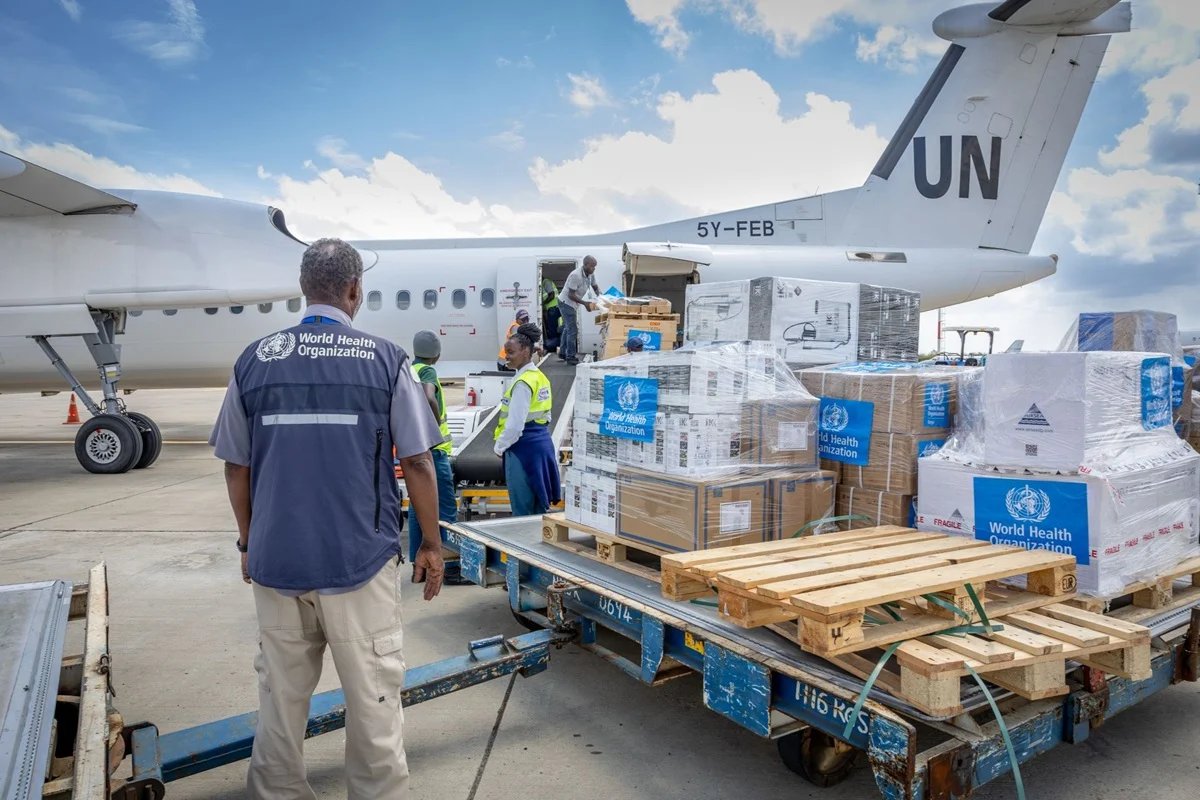
Despite these challenges and limited funding, WHO continues to work with partners to sustain life-saving services and support early recovery efforts.
Related links
Following discussions on the ongoing escalation in the Middle East, delegates approved resolution on the public health impact in Gulf Cooperation Council countries and Jordan.
Related link