Every second, countless cells in the human body divide to create new cells. It is one of the most important processes in biology, and it depends on thousands of molecules working together with incredible precision. But sometimes the process breaks down in unexpected ways.
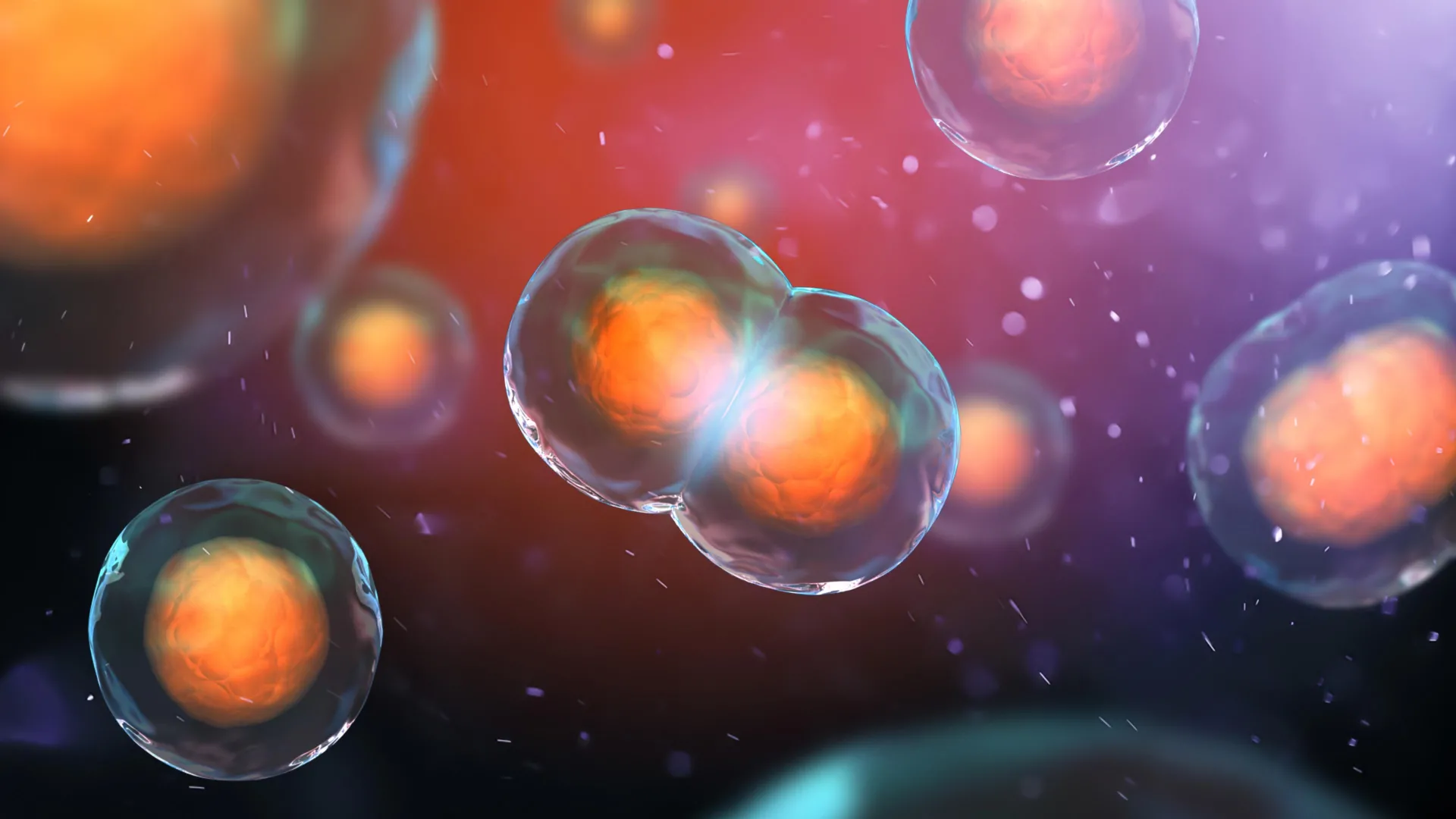
Before a cell can divide into two separate cells, it first has to copy all of its DNA so each new cell receives a full genetic blueprint. In some cases, the DNA is copied successfully, but the cell never fully splits. The result is a single cell containing twice the normal amount of DNA, a condition known as whole genome duplication (WGD).
A simple way to imagine this is like making two photocopies of a document but accidentally placing both copies into the same folder instead of separating them.
Scientists have long known that whole genome duplication can have major consequences. Cells with extra DNA may stop functioning normally, become inactive, die, change into other cell types, accumulate age related damage, or contribute to diseases including cancer.
Two Different Ways Cells Can Fail
Researchers at Hokkaido University wanted to understand whether the specific way a cell fails during division changes what happens afterward.
The team focused on two major causes of whole genome duplication: cytokinesis failure and mitotic slippage.
During cytokinesis failure, the cell completes nearly the entire division process but fails at the final step where it physically splits into two separate cells. In mitotic slippage, the cell starts the division process but exits too early before its chromosomes are properly separated.
“While whole genome duplication occurs through multiple cellular processes, it has been unclear whether differences in the route affect the characteristics of the resulting cells,” says Associate Professor Ryota Uehara, corresponding author of the study.
Although both mistakes leave cells with doubled DNA, the researchers discovered that the outcomes are dramatically different.
Why Some DNA-Doubled Cells Survive
Using live cell imaging and chromosome specific labeling techniques, the scientists tracked how cells behaved after undergoing whole genome duplication through the two different mechanisms.
Cells created through cytokinesis failure were much more stable and had a higher chance of surviving. Cells produced through mitotic slippage, however, often showed uneven chromosome distribution and lower survival rates.
The researchers found that chromosome organization was the key factor behind these differences.
In mitotic slippage, chromosomes are frequently divided unevenly, creating severe genetic imbalance that reduces a cell’s ability to survive. In cytokinesis failure, chromosome distribution remains more balanced, allowing cells to stay more stable.
The team also found that when they experimentally improved chromosome separation in cells undergoing mitotic slippage, the cells became significantly more viable.
Implications for Cancer Research
The findings could have important implications for cancer treatment and prevention.
Whole genome duplication is commonly found in cancer cells, and some cancer therapies can unintentionally trigger it as well. Cells that survive after gaining extra DNA may continue multiplying and potentially contribute to tumor recurrence.
The new research suggests that targeting chromosome separation processes could help prevent abnormal cells from surviving and continuing to grow.
“There are different mechanisms through which whole genome duplication can occur, but their distinct impacts have largely been overlooked,” says Uehara. “We challenged this conventional view by comparing cells formed through different mechanisms and found that these differences can influence cell behavior over the long term.”