A Magnum Photos icon, Rai’s photographs preserved India’s memory through some of its pathbreaking events spanning decades.
Published On 26 Apr 2026
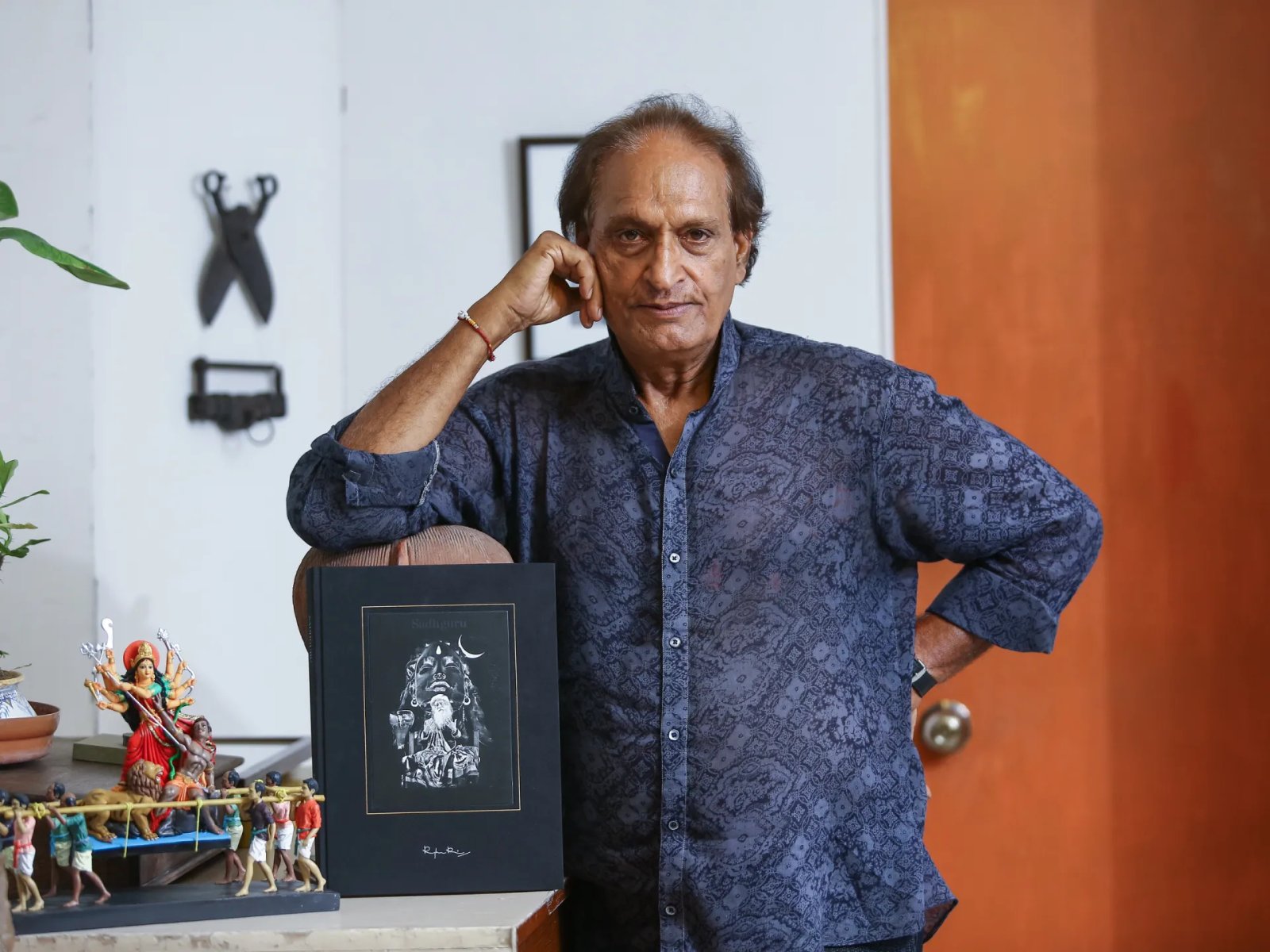
Internationally acclaimed photographer Raghu Rai, widely regarded as one of the foremost chroniclers of independent India, has died at the age of 83.
The photographer’s family on Sunday announced Rai’s death in a statement, paying tribute to “our beloved”.
Recommended Stories
list of 3 itemsend of list
A construction engineer by training, Rai was born in a village in what is now Pakistan’s Punjab province before the 1947 partition of the Indian subcontinent.
He went on to become an iconic photographer documenting the complex social and political life of India, with his work ranging from historic turning points to intimate portraits.
Some of his best-known works include documenting the 1971 independence war of Bangladesh and the 1984 gas leak in the central Indian city of Bhopal that killed an estimated 25,000 people.
His photographs from Bhopal became defining visual records of India’s worst industrial disaster.

In 1972, Rai was awarded the Padma Shri, one of India’s highest civilian honours, for his exceptional work. He also won the inaugural Academie des Beaux-Arts Photography Award, cementing his place on the global stage.
“He didn’t just take photographs, he preserved our nation’s memory,” India’s main opposition leader, Rahul Gandhi, posted in his tribute on X.

Known for portraits of India’s political and social elite and photographing its culture and masses with equal alacrity, Rai published dozens of photo-books, including one on the iconic Mughal monument to love, the Taj Mahal.
His intimate portraits of Nobel Peace Prize winner Mother Teresa hold a particularly special place in Rai’s work.
Rai was a member of Magnum Photos, nominated to the prestigious New York-based cooperative by Henri Cartier-Bresson, who is known worldwide for his defining candid photography.
“To the world, he was an incomparable master of photography, the visionary who captured the pulsating heart and soul of India,” Indian parliamentarian and author Shashi Tharoor said in a tribute. “Your vision will forever be the lens through which India is seen.”

According to the Indian Express newspaper, Rai was introduced to photography by his photographer brother six decades ago and published his first picture, a donkey gazing straight into his camera, in The Times of London.
Rai later moved to photojournalism, working with some of the nation’s best-known media houses of his time through the 1960s and 70s, before going solo in his quest to depict his vast country’s complexity.
Rai’s work spans shooting on film and digital formats, both black and white and colour. He worked all his life in India, and once said, “I can never be true to my experiences without a camera.”