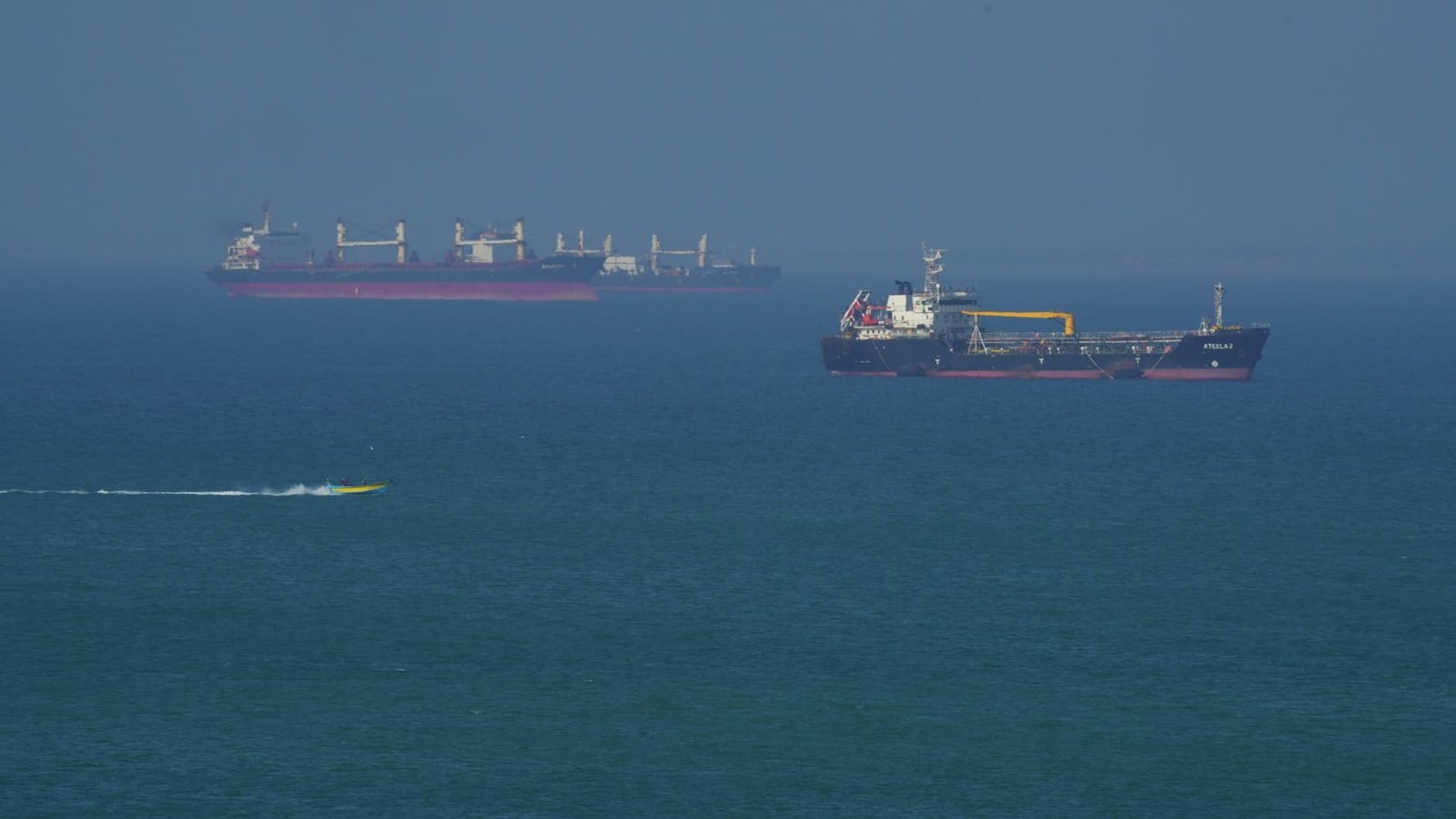
The Ateela 2 Oil Tanker boat navigates the sea on April 28, 2026 on Qeshm Island, Iran in the Strait of Hormuz.
Asghar Besharati | Getty Images
Oil prices climbed Friday, a day after a volatile session that saw the Brent crude contract for June hit a four-year high before retreating.
The June contract, which expired on Thursday, climbed to $126.41 a barrel before settling at $114.01.
On Friday, the July Brent futures contract rose 1.11% to $111.63 as of 10:15 p.m. ET, while U.S. West Texas Intermediate futures for June gained 0.45% to $105.54.
The moves come as U.S. President Donald Trump faces a 60-day deadline under the War Powers Resolution related to military action in the Iran war.
Under the 1973 law, a president must withdraw troops within 60 days of notifying Congress of their deployment, unless lawmakers authorize the military action. Congress has not done so.
The U.S. and Israel launched strikes on Iran on Feb. 28, and Trump formally notified Congress on March 2, starting the 60-day clock and setting up a May 1 deadline.
Trump could seek a 30-day extension under the law but has not done so, according to lawmakers. It remains unclear if Trump will withdraw U.S. forces if the deadline lapses without congressional approval.
Tensions remain elevated despite a ceasefire. Trump on Wednesday escalated threats against Tehran, vowing to maintain the U.S. blockade on Iran until Tehran agrees to a nuclear deal.
Tehran has refused to reopen the Strait of Hormuz unless the U.S. lifts its blockade of Iranian ports.
Axios also reported that the U.S. Central Command had prepared a plan for a “short and powerful” wave of strikes on Iran in hopes of breaking stalled talks between Washington and Tehran.
While the two sides are currently in a ceasefire, a senior official from Iran’s Revolutionary Guards had reportedly threatened “long and painful strikes” on U.S. positions if Washington renewed attacks on Iran, Reuters reported, citing Iranian media.
— CNBC’s Kevin Breuninger contributed to this report.