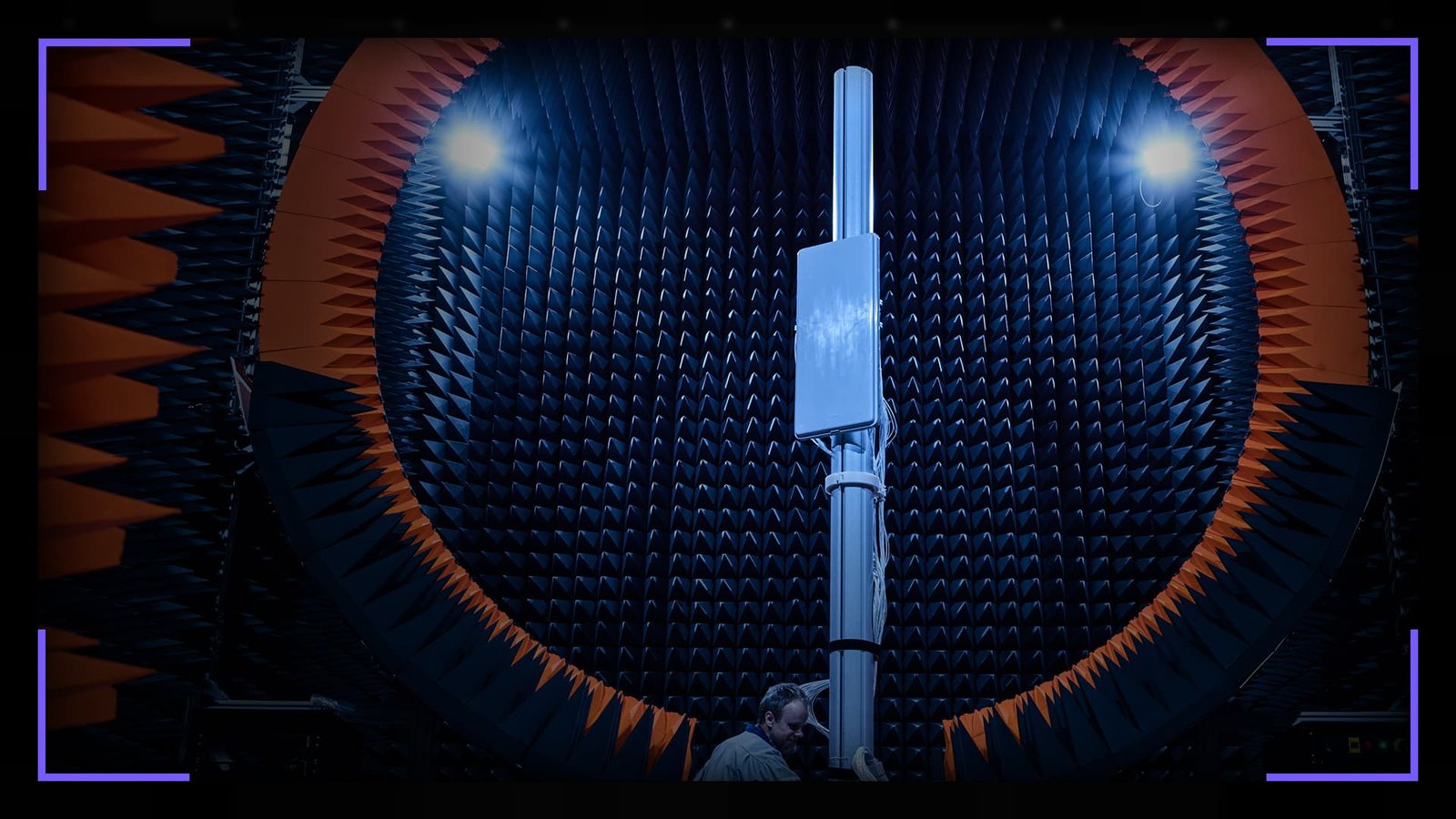
Once the world’s dominant mobile phone maker, Nokia has rebuilt itself as a behind-the-scenes provider of the infrastructure that powers global connectivity. Today, the Finnish company generates billions in revenue not just from the equipment it sells to telecom operators, but also from a vast portfolio of patents used across the communications industry.
Once the world’s dominant mobile phone maker, Nokia has rebuilt itself as a behind-the-scenes provider of the infrastructure that powers global connectivity.
Today, the Finnish company generates billions in revenue not just from the equipment it sells to telecom operators, but also from a vast portfolio of patents used across the communications industry.
As networks become more AI-driven and software-centric, Nokia is also positioning itself for a new wave of growth, including the AI-RAN market, which analyst firm Omdia expects could represent a cumulative opportunity of more than $200 billion by 2030. But whether that bet pays off remains uncertain.
Watch the video above to learn how Nokia rebuilt its business after mobile phones — and how it makes its billions today.
This is the first installment in CNBC’s “Built for Billions” three-part series on Nokia. Don’t miss part two, where we explore why the company missed the smartphone shift, and part three, which looks at its next big bet on AI-driven networks and the future of global connectivity.