Like ancient subway tracks buried deep underneath modern lines, a previously unknown transport system ferries materials around the brain. But this system, made of star-shaped cells called astrocytes, is no relic, a new study reports. It’s operational, linking locales near and far in flexible, mysterious ways.
The results, published April 22 in Nature, reveal a system by which brain regions could communicate, a network that differs from more familiar systems built of nerve cells. What’s more, astrocyte networks may also have roles in disorders such as Alzheimer’s disease, traumatic brain injuries and stroke — perhaps in varied roles that could both damage and heal.
These networks’ discovery will crack open a new area of research, says neurobiologist Bess Frost of Brown University in Providence, R.I., who wasn’t involved in the study. “It’s kind of incredible whenever you discover something like this, because it’s so foundational,” she says. It’s the kind of work that “makes you think, ‘What else don’t we know?’”
Astrocytes were once thought of as support staff in the brain. These magnanimous cells keep their neural neighbors fed and clean. But there’s a growing realization among brain scientists that these cells play big roles in exchanging information in and around the brain.
The newly discovered networks hint at just how big these roles might be, says Melissa Cooper, a neuroscientist at New York University’s Grossman School of Medicine in New York City. But hint is the key word. For now, no one knows what astrocyte networks are doing.
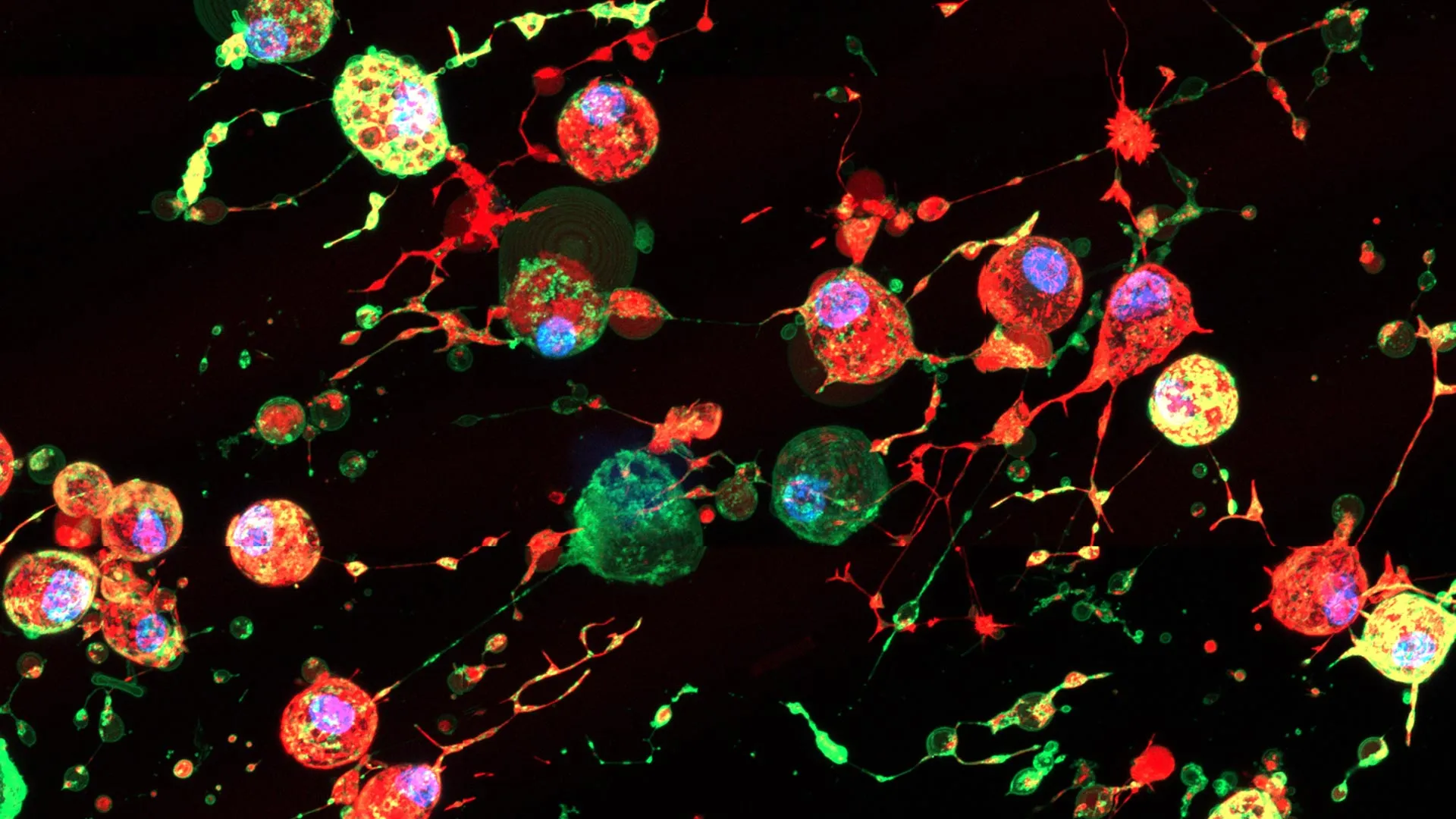
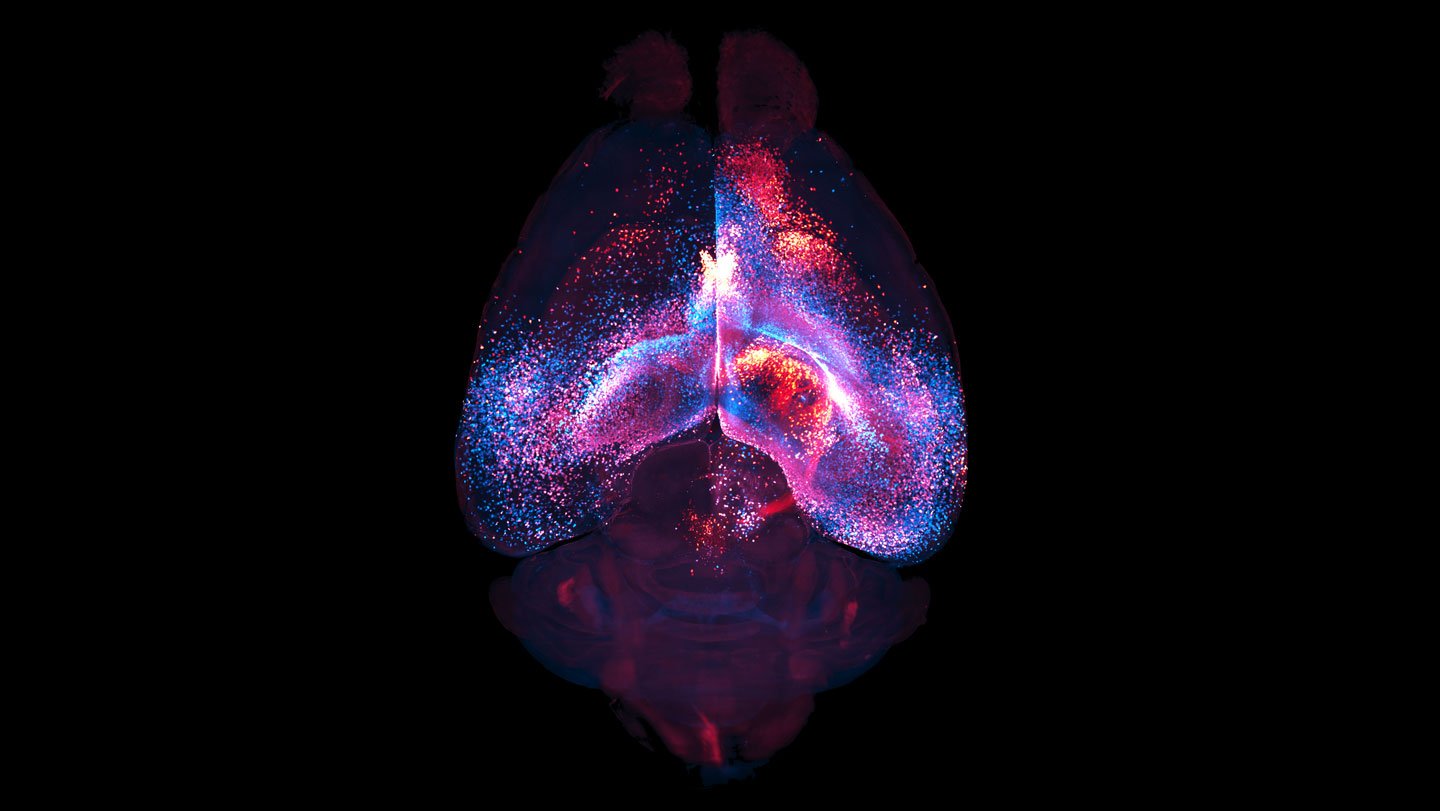
Cooper and her colleagues used a chemical trick to tag some of the traffic moving around mice’s brains through gap junctions, the pores that connect adjacent astrocytes. This tag, a stamp of sorts later decorated with a fluorescent molecule, marked some molecular cargo moving among astrocytes. After the mice’s brains had been removed and treated to become clear, the scientists could see these stamps with a microscope — revealing the astrocyte network the cargo had followed.
Some researchers had thought astrocytes tiled the brain uniformly, Cooper says. But the cargos’ paths told a different story. Astrocytes, so named for their star shape, do form some large, long-ranging connections, looking a bit like “galaxies across the brain,” Cooper says. But they also connect in specific, selective ways, forming links in places that nerve cells don’t. “It means that astrocytes are directly linking these brain regions that we didn’t know could talk to one another before.”
Cooper, a resident of New York City, likens the astrocyte system to a second subway system that could “move people between parts of the city that we didn’t know they could go to before.”
Further experiments showed these networks could remodel themselves in reaction to the environment. Mice’s whiskers take in information and send it to the opposite side of the brain. When mice had whiskers on one side trimmed, thus curbing that input, astrocytes on the other side of the brain shifted their connections and shrank that network.
Human astrocytes work similarly to those in mice. “I would be completely shocked if humans do not have the same thing going on in their brains,” Frost says. But Cooper cautions that there’s no obvious way to see those networks, particularly in living people.
As for these networks’ jobs, Frost says they might help allocate resources. Like the underground fungal partners that connect trees, perhaps the astrocytes are monitoring the health of neurons, and moving energy or nutrients to certain places as the need arises.
Figuring out what these networks do, what moves through them and why, will keep scientists busy for a long time. Those studies may also lead to a deeper understanding of traumatic brain injury and disorders such as Alzheimer’s and stroke, all of which have been linked to problems with gap junctions.
“There have been so many questions in neuroscience that we’ve been chasing forever and haven’t been able to answer,” Cooper says. “And it’s maybe because we haven’t been able to see this big missing piece that’s been there the whole time.”