Netflix has stances on AI and other regulation, Larry Tanz, vp of content for Europe, the Middle East and Africa, made clear at the Enders TMT Leaders Live conference in London on Thursday.
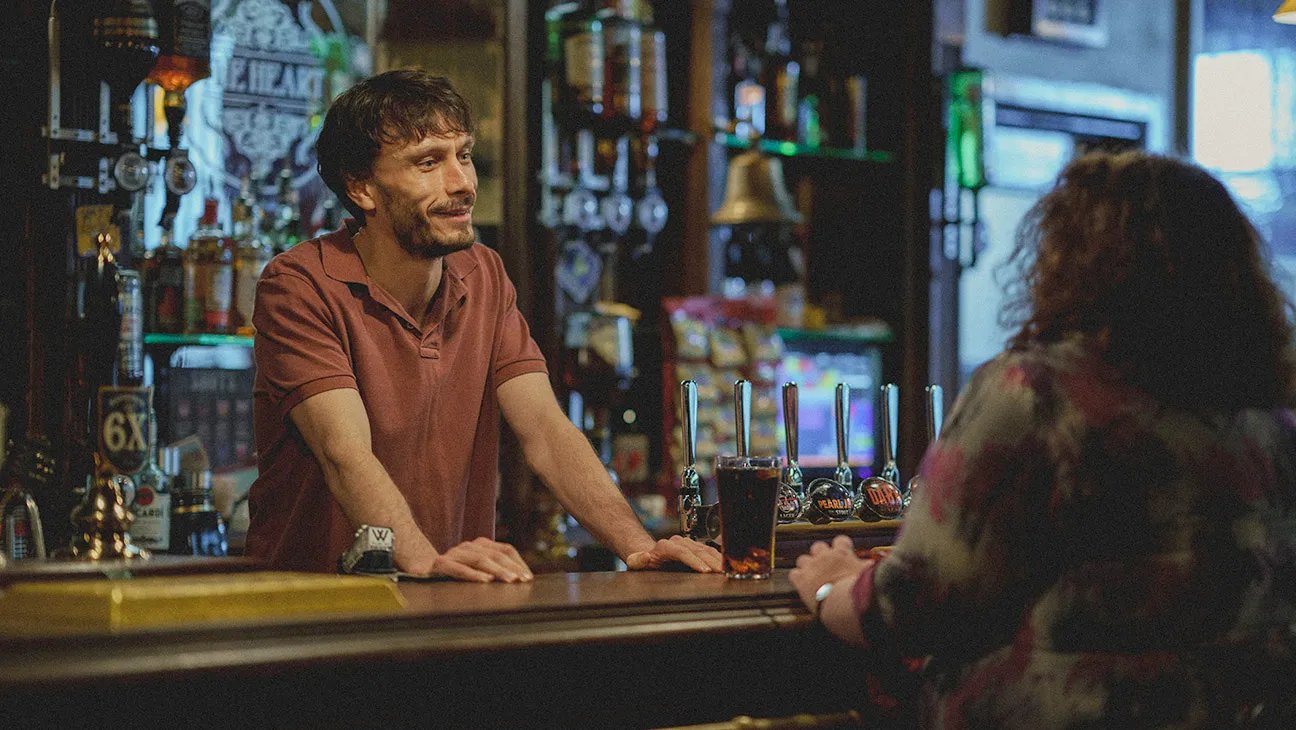
Highlighting the streamer’s investment in the British film and TV industry, Tanz said that Netflix has filmed in 225-plus cities and towns across the U.K. since 2016. “We’re additive to that local industry,” not a global power that ends up putting its revenue in a “black box” back in the U.S. but reinvesting in more local programming. He touted such hits as Adolescence and Baby Reindeer, saying they and others were hits in Britain and also became global phenomena.
Concluded Tanz: “We do not accept the argument that Netflix is simply passing through. We are part of the industry.”
The rise of user-, and increasingly AI-generated, programming and possible regulations focused around AI and investment themes pose potential risks, he argued, suggesting that regulation may one day “dictate not just how much we invest but what we make.”
Netflix “would be discouraged from taking risks on new and emerging voices in the case of ‘one-size-fits-all regulation,’” Tanz warned. That could funnel all opportunities to “big media groups,” private equity groups and sovereign wealth funds, he argued. People in the room read that as a reference to the likes of Paramount Skydance, which outbid Netflix for Warner Bros. Discovery in a deal financed with the backing of sovereign wealth funds.
“Let’s not sleepwalk” into such a future, he concluded. “The U.K. has thrived because of many routes to market” being open, which benefits various producers, including smaller local producers, he offered.
Tanz’s comments came after Peaky Blinders creator Steven Knight, at SXSW London 2026 on Monday, supported U.K. political calls for global streamers to contribute to supporting the U.K. production sector, given the content they create in the country. Last year, a parliamentary committee recommended a levy of 5 percent of U.K. subscriber revenue on foreign streamers, including Netflix, Amazon, Apple TV+ and Disney+, to help finance British drama production. Netflix rejected that, saying that the goal should be to “incentivize rather than penalize investment and success.”
Argued Knight: “The issue for me is: They come here, they make big blockbuster productions,” which is “great” for job creation in the British sector. “But they keep all profits. I just feel there’s a conversation to be had. It’s not [a] tax. it’s a two-way street.”
He suggested that streamers could therefore “leave” a certain percentage of money in country to help keep its production infrastructure and success alive and well. “If you’re going to come and take advantage of what we have, then maybe financially there is a 1 percent, 2 percent, something that is left behind that helps us to maintain” that, Knight said. He didn’t specify if that should be a percentage of revenue or profits.
Tanz concluded his conference appearance on Thursday by emphasizing that regulation should be drawn up without “accidentally penalizing” entrepreneurship and opportunities.”
On the topic of AI, he touted Netflix’s belief in copyright protections and consent on digital replicas, among other core principles, describing the streamer’s approach as “cautious.”
Said Tanz: “AI is an evolution of tools we already know, but not a replacement for human creativity. Our north star is, and always will be, quality driven by talent. We win when we have the best TV shows and films, stories that resonate deeply with audiences, but that connection comes from the script, the performances, the directing, the chemistry on set. In other words, the human elements of storytelling.”
He added: “Any new technology, including AI, has to pass a basic test for us: does it help creators make better stories and make them easier to find for audiences.”
So how about AI regulation? “We’re very clear about a few principles,” Tanz shared in London. “As rights holders ourselves, we care deeply about copyright fair compensation, and we believe existing frameworks backed up by strong contracts can adapt to new technologies. We also recognize the importance of consent around realistic digital replicas, and are building that into how we work with talent, from post-production to helping people discover work they might love.”
Tanz’s conclusion: “We’re exploring where AI can help, but we need to make sure we are doing so cautiously and transparently, and in a way that supports human creators rather than replacing them.”
That brought him to a long-running question: how did the TV industry change Netflix? Concluded Tanz: “I’m proud to say it made us more local, more responsible, and more ambitious on what this industry should be.”