The pressure to keep audiences glued to hit reality TV shows is leading to participants being put in increasingly risky and exploitative situations, according to a psychologist and executive who have both previously worked on Married at First Sight UK.
Two women have alleged they were raped during the filming of the show, which is one of Channel 4’s most popular and profitable programmes, and said not enough was done to protect them.
Channel 4 is conducting an external review into contributor welfare and has removed all episodes from its streaming service. Lawyers for the independent production company that makes the UK version have told the BBC that its welfare protocols are “gold standard”.
The behavioural psychologist Jo Hemmings, who has previously worked on shows including MAFS UK and Big Brother, said that while duty of care standards are exceptionally high, reality shows have to keep upping the conflict and drama to keep attracting big audiences.
“Participants are in a bubble and quite vulnerable, they are thoroughly checked psychologically throughout the process,” said Hemmings. “Duty of care psychologists and welfare staff keep meticulous notes and reports all the way through filming. But the boundaries of entertainment are always being pushed for each series. They have to keep the audiences. The welfare teams are highly aware of this, but the more you push the boundaries, the more incidents might happen no matter what you do.”
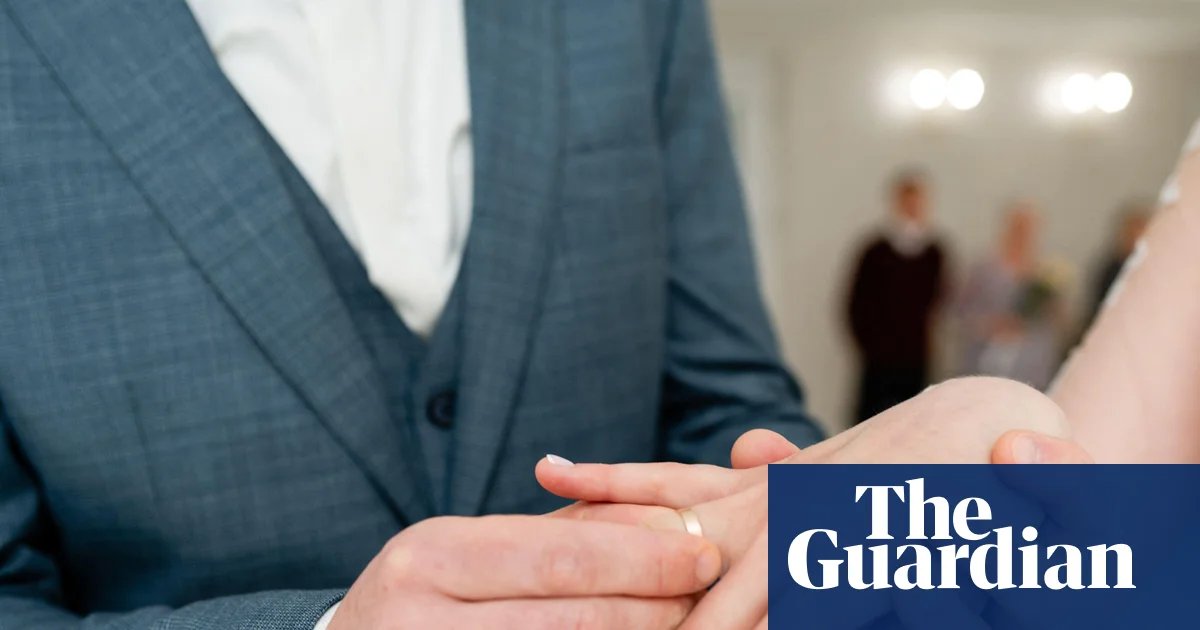
MAFS UK sees single people embark on non-legally binding marriages to strangers. Couples are matched by experts, and meet for the first time on their mock wedding day. The first series aired in 2015, and was not the ratings hit the show proved to be in other markets.
Channel 4 moved to adopt the style of the hugely popular Australian version, which engineers high-tension situations by having regular group dinners and excursions, which has made the UK edition one of the broadcaster’s biggest shows.
“It was originally a very different kind of show, more like a documentary where relationships proceeded very organically, it was like public service television,” said one former Channel 4 executive who used to be involved with MAFS UK. “There was still a lot of duty of care at the time, belt and braces, but then the Australian version influenced the UK and introduced more conflict.”
In 2010, Channel 4 axed the 00s reality TV phenomenon Big Brother after 10 years on air.
The show had become too toxic for the broadcaster following a race row involving contestant Shilpa Shetty during a celebrity series.
The health and wellbeing of contestants in reality TV shows has been under the spotlight in recent years, particularly after the deaths of a number of former contestants on ITV’s Love Island.
Caroline Dinenage, the chair of the culture committee, told the BBC that the mechanics of MAFS UK, expecting strangers to become intimate with each other almost immediately, felt like “an accident waiting to happen”.
Industry executives and Channel 4 insiders are speculating whether the scandal may ultimately mean it will have to axe the show, particularly given its status as a public service broadcaster.
Channel 4 has said it will decide whether to air the next series of MAFS UK, set for later this year, after the findings of the investigation have been published.
It is also not clear whether a previously announced spin-off called Second Married at First Sight, featuring participants from previous UK and Australian series, will now be filmed.
“The show has evolved a very long way from where it started,” said the former Channel 4 executive. “This is what happened with Big Brother after the racism row. And eventually it was decided that it was a show that didn’t belong on Channel 4. At what point do you say the same about a show like MAFS UK?”