The head of France’s biggest film producer, Canal+, has said the group will no longer work with hundreds of cinema figures who signed a petition voicing concern over the growing influence of the rightwing billionaire owner Vincent Bolloré.
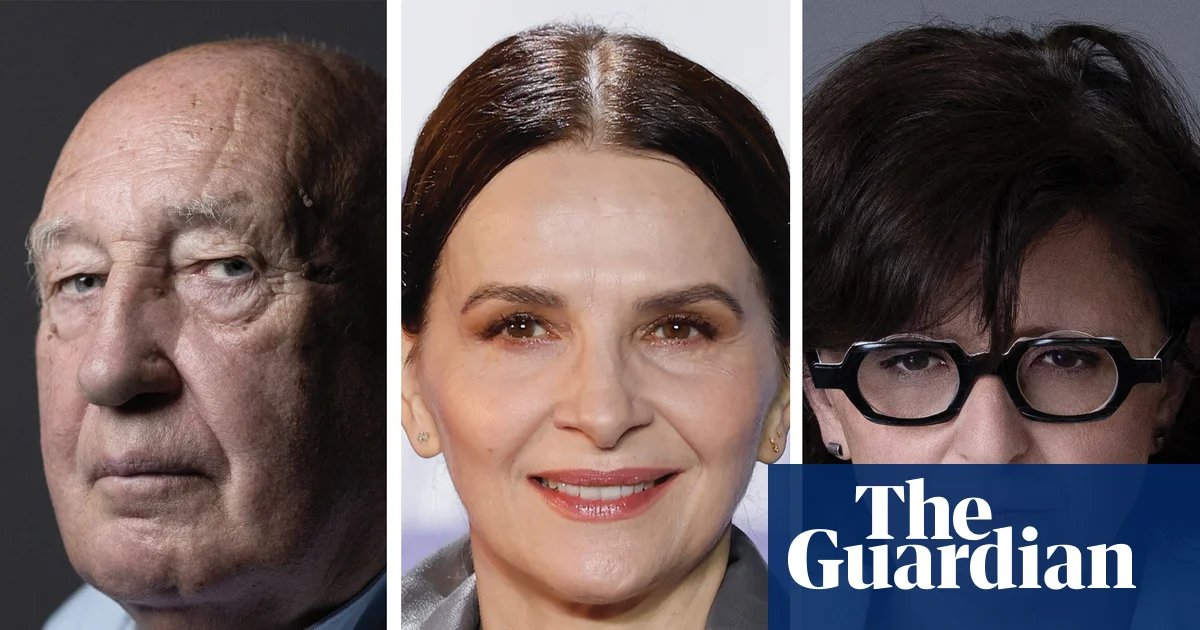
The open letter, published earlier this week to coincide with the opening of the Cannes film festival, was signed by more than 600 figures, including the actor-director Juliette Binoche, the director and photographer Raymond Depardon, the French-Iranian film-maker Sepideh Farsi and the director Arthur Harari, who co-wrote the Oscar-winning Anatomy of a Fall and is premiering his film The Unknown in the main competition in Cannes.
They said that “leaving French cinema in the hands of a far-right owner” risked “not only the standardisation of films, but a fascist takeover of the collective imagination”.
Bolloré, a conservative industrialist, has a powerful media empire, which includes Canal+ and its in-house production operation, StudioCanal, which is Europe’s leading film and television production and distribution group. StudioCanal’s recent films include the Amy Winehouse biopic Back to Black and Paddington in Peru.
He also owns the channel CNews, the radio station Europe 1 and the Sunday paper Le Journal du Dimanche.
Speaking in Cannes on Sunday, the Canal+ chief executive, Maxime Saada, called the petition “an injustice toward the Canal+ teams, who are committed to defending the independence of Canal+ and the full diversity of its choices”.
He added: “I will no longer work with and I no longer want Canal to work with the people who signed that petition.”
In the open letter, the film industry figures said they were alarmed that Canal+ had taken a stake in UGC, the third-biggest network of French cinemas, with a view to fully owning it in 2028. They said Bolloré would be “in the position of controlling the entire fabrication chain of films from their financing to their distribution and their release on the big and small screen”.
They said that “behind his business suit”, Bolloré was promoting a reactionary, far-right project for society “through his TV stations like CNews and his publishing houses” and they feared this could extend to film.
“The influence of [his] ideological offensive on the content of films has so far been discreet, but we are under no illusion: this won’t last,” they wrote.
The tumult mirrors similar upheaval in the publishing industry. In an unprecedented move last month, more than 100 writers quit the publishing house Grasset in protest at Bolloré’s control of its parent company, Hachette. “We refuse to be hostages in an ideological war that seeks to impose authoritarianism everywhere in culture and the media,” the authors wrote.
In a sign of Bollore’s divisive reputation, the Canal+ logo was booed in Cannes at some screenings this year, including for the opening film, The Electric Kiss.
In a senate hearing in 2022, Bolloré denied political or ideological interventionism, saying his interest in acquiring media was purely financial and his cultural empire was about promoting French soft power.
After last month’s authors’ revolt over his publishing business, Bolloré wrote in Le Journal du Dimanche that those who had quit were “a tiny caste who think themselves above everyone else”. He said: “As for the attacks concerning my ‘ideology’, I’m a Christian democrat.”