
Good morning.
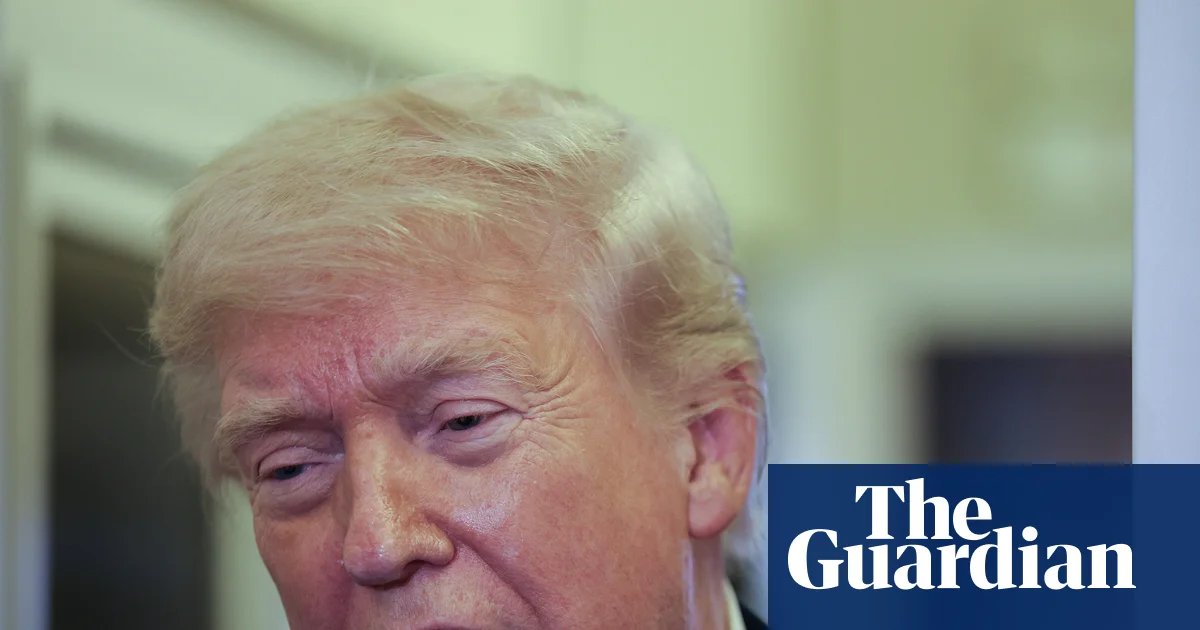
Donald Trump unilaterally announced an extension of the two-week ceasefire with Iran on Tuesday amid frantic efforts to bring the two sides back to the negotiating table.
Hours after saying he “expected to be bombing”, Trump said he would extend the truce until Tehran submitted a proposal for peace. The announcement came on a day where JD Vance’s expected trip to Islamabad was put on hold and after Trump stepped up his aggressive messaging, saying the US military was “raring to go”.
Trump’s ceasefire rhetoric received short shrift from Mohammad Bagher Ghalibaf, the speaker of the Iranian parliament and Tehran’s lead negotiator. His personal adviser dismissed it as “a ploy to buy time for a surprise strike”, adding that “the time for Iran to take the initiative has come”.
-
How are Trump’s negotiating tactics being received? The president’s impatience and rough-house diplomatic style, including his frequent online posting, has been a key stumbling block to restarting peace talks, writes the Guardian’s diplomatic editor, Patrick Wintour.
-
Is Tehran united on how to deal with Washington? Analysts say it is not, with fierce disagreement among Iranian leaders over how to respond to US pressure and whether to risk a new wave of bombing.
-
Follow the latest updates with our liveblog.
Virginia voters approve new congressional maps in blow to Trump
Voters in Virginia have approved new congressional maps drawn to increase Democrats’ chances of retaking the House of Representatives, as Donald Trump’s gerrymandering efforts backfire.
The tit-for-tat redistricting battle began last year after Trump pressed Texas’s Republican-controlled legislature to redraw that state’s congressional maps in an effort to oust up to five Democratic House lawmakers. California was the first to respond, with voters backing redistricting in favor of Democrats, while Virginia’s governor backed holding a vote to do so, resulting in Tuesday’s referendum.
-
How much of a boost for the Democrats is Virginia’s referendum result? It could help them win four additional House seats in November’s midterms, which could prove pivotal in an evenly divided Congress.
Trump officials consider sending to Congo 1,100 Afghans who aided US forces
The Trump administration is in talks to potentially send up to 1,100 Afghans who assisted US forces during the Afghanistan war to the Democratic Republic of the Congo (DRC), a non-profit has confirmed.
The resettlement talks, first reported by the New York Times, follow Donald Trump’s decision to end an initiative that allowed Afghans who helped the US war effort to apply for resettlement in the US.
-
Who is in the group? The group reportedly includes interpreters and relatives of US military members, as well as more than 400 children. They have been in Qatar for a year. Shawn VanDiver, president of the non-profit AfghanEvac, said 700 were women and children, and 900 were eligible for resettlement in the US.
-
What is the situation in the DRC? Reeling from decades of conflict and instability, the country is experiencing an enormous displacement crisis.
In other news …
-
A Salvadoran court began a mass trial of 486 alleged gang members on Tuesday. President Nayib Bukele’s crackdown on gang violence has included a decree allowing mass trials, which human rights experts say are a violation of defendants’ rights.
-
The Southern Poverty Law Center, a leading civil rights organization, has been indicted on federal fraud charges over paying informants to infiltrate extremist groups, the justice department has announced.
-
Israel’s observer status at the Council of Europe’s parliamentary assembly could be suspended after it introduced the death penalty for Palestinians convicted of some offences, its chief has said.
-
Millions of people in the Indian state of West Bengal have been stripped of their vote before a state election this week, with critics saying it amounted to a mass disenfranchisement of religious minorities.
Stat of the day: 46% of US children are breathing dangerous levels of air pollution, report warns
Nearly half (46%) of the children in the US are breathing dangerous levels of air pollution, according to the American Lung Association’s new report. The report analyzed data collected between 2022 and 2024, and experts predicted Donald Trump’s gutting of environmental protections would make the situation worse.
Well Actually: My family tried to eat fewer ultra-processed foods for five years. Here’s what we learned
Five years ago, Jen Sherman’s family tried to do something that has become increasingly laborious and expensive in the US, like in much of the world: cut out ultra-processed food (UPF).
Bettina Elias Siegel, a former lawyer, food policy advocate and the author of Kid Food, says: “The research shows a general correlation between high UPF consumption and poor health. At the same time, we have to remember that UPFs are affordable, accessible and time-saving, which makes them a necessity for many families.” Sherman, who says she is in no way a purist, shares her tips for trying to eat fewer UPFs.
Don’t miss this: #ToddlerSkincare: the ‘dark and exploitative’ world of children’s beauty videos on TikTok
Children as young as two are creating TikTok content about their skincare routines, a Guardian investigation has found, raising concerns about the beauty industry’s reach and the lack of safeguards for child influencers. Of the 7,600 skincare-related posts analyzed, 400 featured children believed to be under 13, while at least 90 of these posts featured under-fives. Many closely resembled advertising.
Climate check: Heatwaves, floods and wildfires pose rising threat to democracy, report finds
The climate crisis is increasingly threatening democracy, with floods, wildfires and extreme weather disrupting votes, researchers have found. Democracies in Africa and Asia are especially vulnerable to these pressures as the effects of the climate emergency deepen.
Last Thing: I went to the US to chase aliens. This is what I found
After the Pentagon released its UFO files, confirming that it could not explain more than 140 incidents of flying objects reported by navy officers, Daniel Lavelle went to the US in search of the truth. “I fantasised about having a Woodward and Bernstein moment on my trip,” he writes. “In a dusty diner in the American south-west, a source would hand me a brown envelope containing indisputable proof of the alien invasion.” That is not quite how it played out …
Sign up
Sign up for the US morning briefing
First Thing is delivered to thousands of inboxes every weekday. If you’re not already signed up, subscribe now.
Get in touch
If you have any questions or comments about any of our newsletters please email newsletters@theguardian.com


