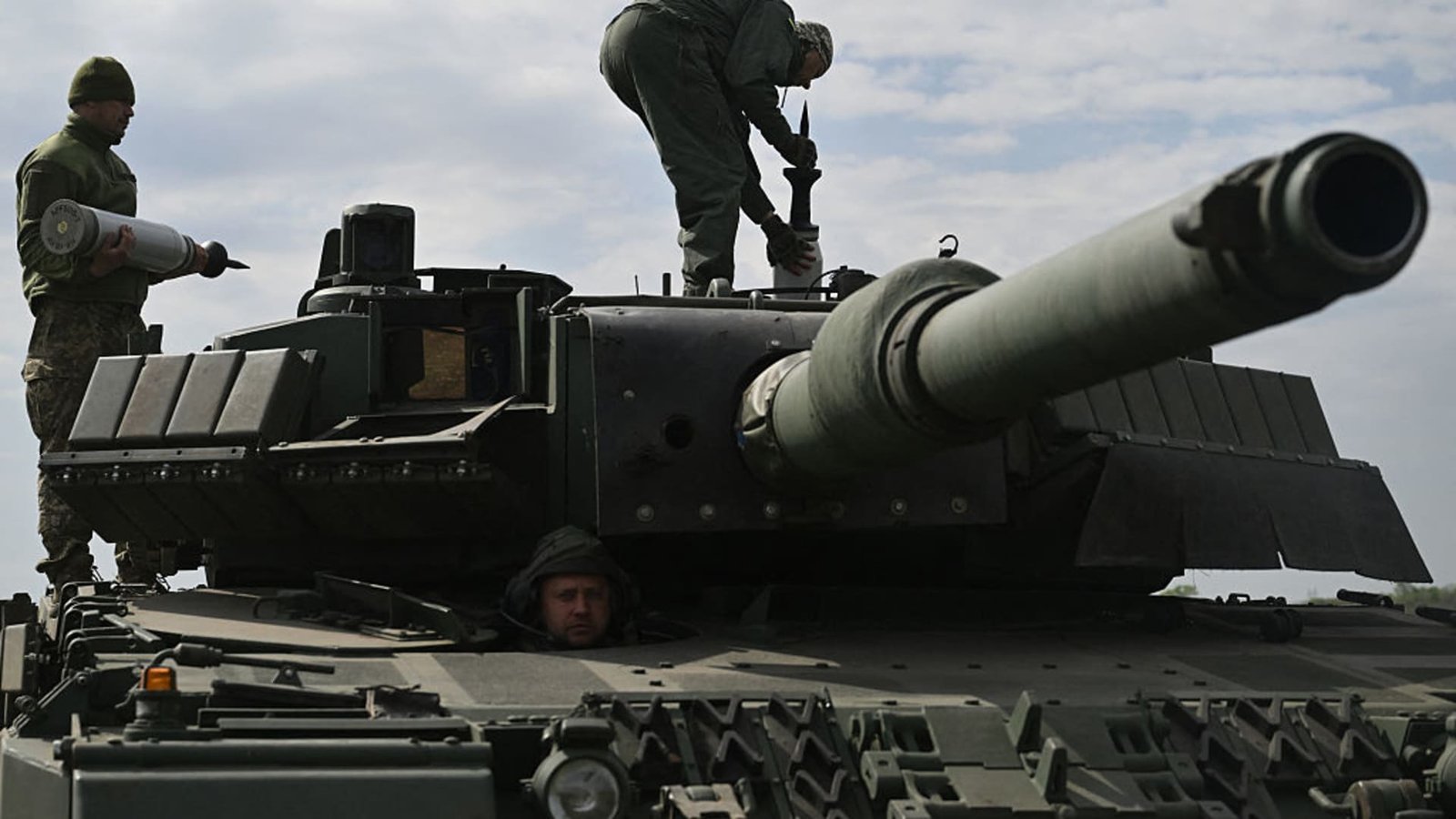
Investors are missing the bigger picture on European defense, as the industry has come under increasing scrutiny in recent months amid procurement delays and potential easing of geopolitical tensions, analysts have argued. Following a string of underwhelming first-quarter earnings from Europe’s defense giants, investors are now questioning how much upside remains after years of lofty valuations. After a bumper 2025 fueled by surging government military spending , the sector has plateaued in 2026. But the sector has further to go, and Rheinmetall offers the best shot for upside, according to Morningstar analyst Loredana Muharremi. “The market is confusing short-term noise with structural change,” said Muharremi. “Procurement delays and execution concerns are real, but they don’t alter the underlying demand reset underway in Europe.” Shares of the German defense company – known for its tanks, artillery systems, and range of ammunition, propellants, and laser weapons – have lost 26% of their value since the start of the year. Despite the drop, the stock has seen a massive run, gaining nearly 1,300% over the past five years as government spending on military capabilities skyrocketed amid the war in Ukraine. RHM-DE SAABF,BA.-GB,LDO-IT,HO-FR YTD mountain European defense stocks have been muted in 2026. Rheinmetall’s earnings and valuation are highly sensitive to the Russia-Ukraine war, as well as other geopolitical developments. It’s expected to capture at least 20% of Europe’s equipment demand, excluding France, the analysts said. They put a fair value estimate of 2,380 euros ($2,763) on the stock, implying a 91% upside from current levels. One concern for investors has been that the company is seen as a temporary “war trade,” and that drones will replace more traditional artillery like Rheinmetall’s over time. There’s also a worry that demand and order growth will cease if the conflict ends. But Rheinmetall’s expansion is increasingly concentrated in lower-risk areas such as air defense, digitization, and naval systems, the Morningstar analysts pointed out, while partnerships and vertical integration help mitigate execution and supply chain risks. This diversification could help alleviate concerns that land-based defense solutions might lose relevance. Multi-year state procurement programs, higher NATO defense spending, and the need to rebuild depleted stockpiles will lead to growth in the long term, the analysts added. Restocking ammunition alone represents a multibillion-dollar, decade-long opportunity. And “even if the conflict de-escalates, rearmament doesn’t stop – it becomes longer-term in focus and more predictable,” said Muharremi.