Healthy brains may be built through a process of controlled damage and rapid repair.
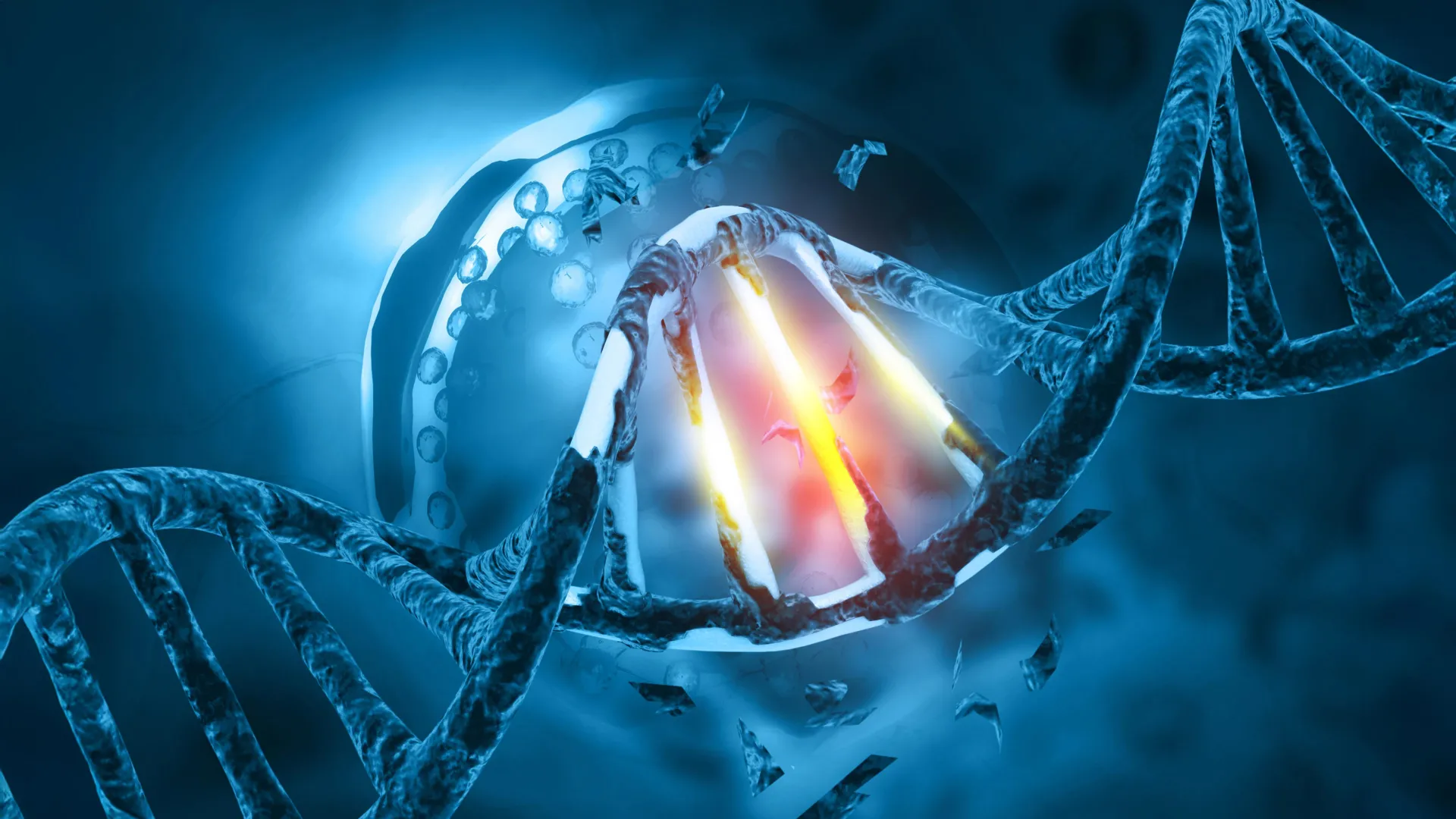
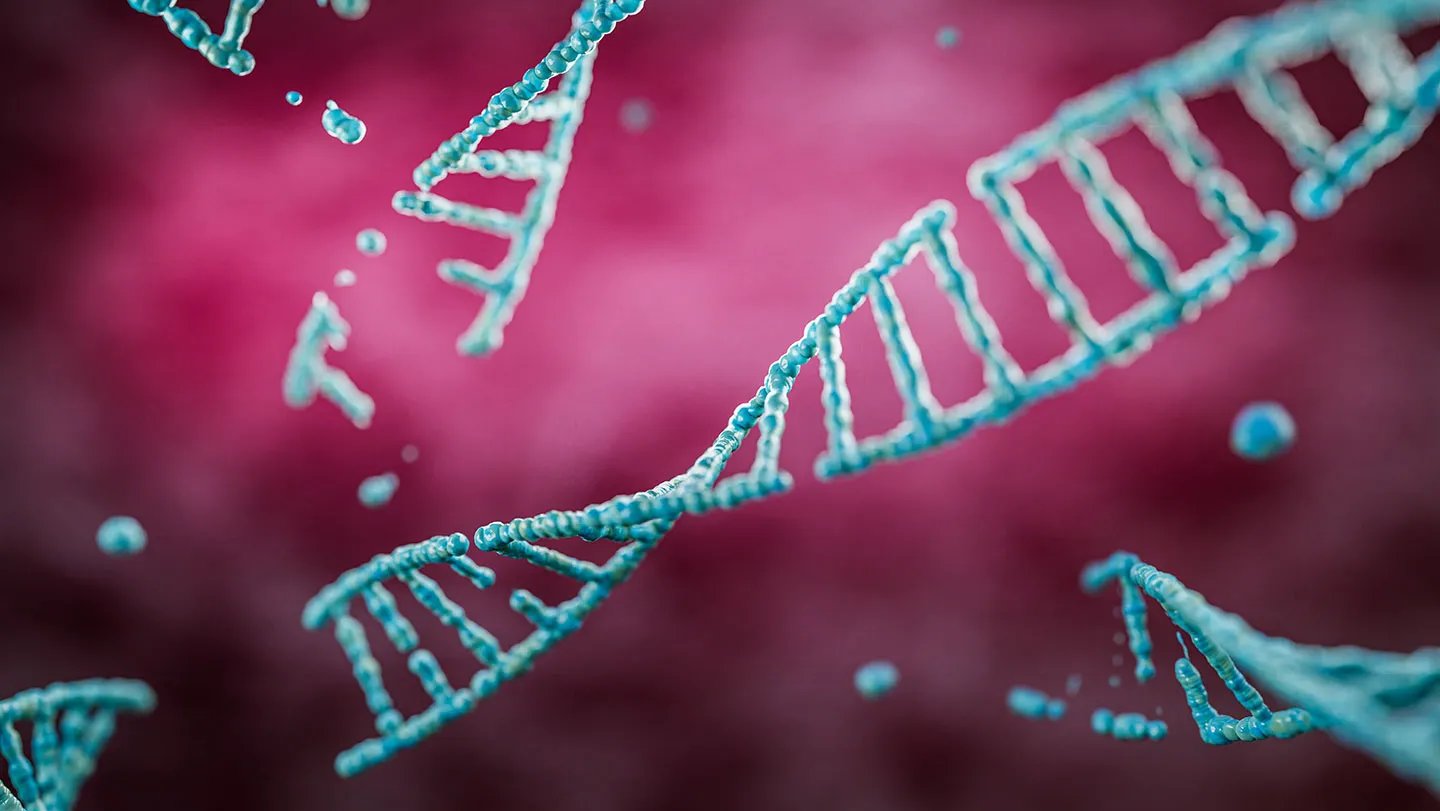
The most dangerous type of DNA damage is a regular feature of healthy early brain development, experiments in mice show. As newborn neurons squeeze through the cramped, narrow spaces of developing brain tissue, they break both strands of their DNA, researchers report June 17 in Nature. The breaks are repaired once neurons reach their destination, usually within a day.
It’s a paradox of vulnerability and resilience. Newborn neurons routinely sustain a kind of damage that kills most cells, yet they repair it and emerge intact, the researchers found.
The speed of the repair surprised the team. “Somehow neurons can repair [the damage] very quickly without any sign of mutations or bad effect,” says neurobiologist Mineko Kengaku of Kyoto University in Japan. “It seems to be a normal developmental event.”
The breaks appear in areas of the genome that aren’t crucial, the team found, which in most cases allows neurons to survive and grow without lasting damage. “It is surprising that, during evolution, the mammalian brain acquires such a clever strategy,” Kengaku says.
More research is needed to understand the implications beyond mice, but Kengaku says the effect might even be more pronounced in humans. “During development, neurons have to migrate, and if the brain size is larger, then neurons have to migrate longer distances,” she says. “It is quite likely that neurons in human brains probably generate more DNA damage during development” than neurons in mice brains do.
But a flawless break-and-repair cycle is not always guaranteed, Kengaku says. When it fails or is incomplete, the damage could persist. These instances, she says, could help explain some neurological conditions later in life.
The researchers tested the effects of such an interruption by removing ligase IV, a protein crucial for DNA repair, from the neuronal migration process in the mice. The result: Unrepaired double-strand breaks built up in the part of the brain related to movement, and the affected mice developed difficulty with motor skills later in life.
The work “is very impressive” in showing how the DNA damage, if not correctly repaired, can “result in long-term functional changes reflective of neurodegenerative diseases,” says Jan Lammerding, a biomedical engineer at Cornell University who was not involved with the study.
Kengaku flags premature birth as a moment of particular vulnerability. Some of the drugs routinely used to keep fragile newborns alive — such as certain antibiotics — may inhibit the very repair process the developing brain depends on. “We have to be careful at the stage of brain development,” she says.
Neuro-oncologist Soma Sengupta of Tufts Medical Center in Boston says the study is “a major conceptual advance.” Unlike DNA damage seen in cancer or radiation injury, she says, “these breaks do not trigger widespread cell death [and] are repaired efficiently.”
The findings raise questions about whether unrepaired DNA damage could play a role in not only neurodegenerative diseases but also autism spectrum disorders and brain tumors.
For Sengupta, the latter immediately comes to mind. “Many pediatric brain tumors arise in cells undergoing migration and differentiation,” she says. “It raises the possibility that rare misrepair events during normal development could contribute to oncogenic mutations in susceptible cells.”