Usually the most scrutiny at the glittering Bafta TV Awards is reserved for the stars’ outfits on the red carpet and the winners’ acceptance speeches.
But this Sunday those behind the show will be watching with bated breath and taking the event “extremely seriously” after changes were made to how TV coverage of Bafta’s awards ceremonies is handled after the broadcast of racially offensive words during February’s Bafta film awards.
One BBC source said: “It’s usually sunny the day of the TV awards, but the heat will be felt even more this year until the final credits roll and the reaction on social media is checked.”
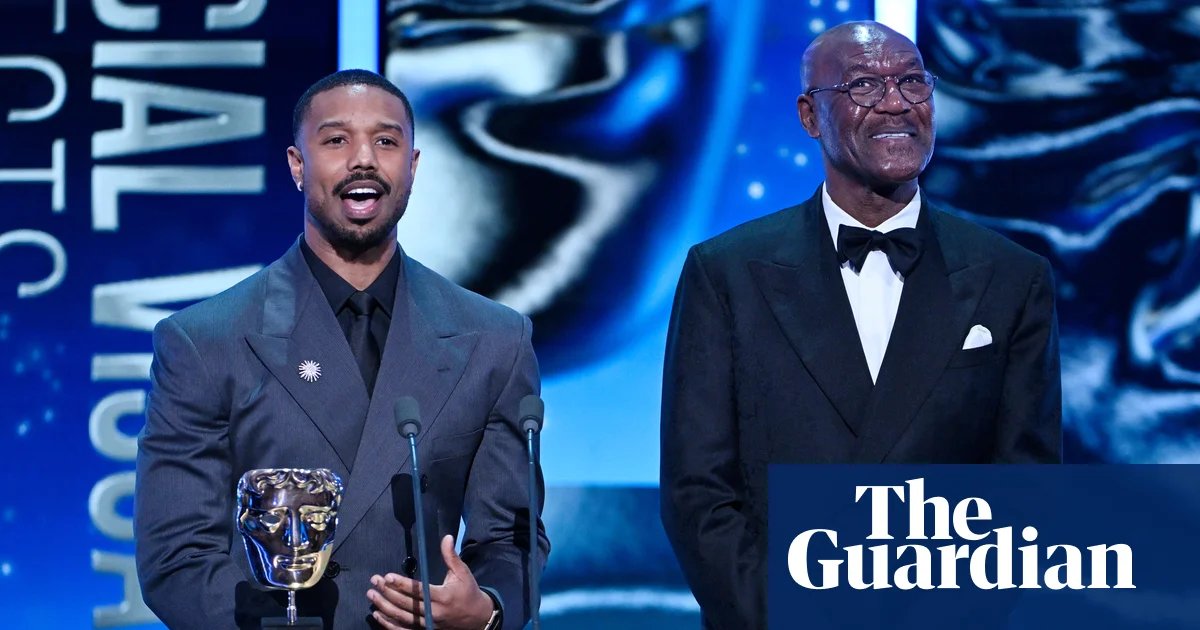
During February’s event, microphones picked up John Davidson, who has Tourette syndrome, involuntarily using the N-word from his seat in the audience while the actors Delroy Lindo and Michael B Jordan were on stage presenting a prize. The film I Swear, inspired by Davidson’s experiences dealing with TS, was up for a number of awards.
Show host Alan Cumming apologised immediately and the word – which was repeated by Davidson later – should have been edited out as the Baftas are filmed with a delay. But the production team (who were in a truck outside the ceremony venue) did not hear the earlier occasion and only edited out Davidson’s second use of it.
The incident led Bafta to review its planning and procedures, and apologise “unreservedly”. There was also a review and an apology from the BBC, which aired the show and admitted it breached its own editorial standards in airing the N-word and also made a “serious mistake” in not removing the footage on iPlayer until the following morning, which “aggravated the offence”.
However, as Bafta puts in place its final preparations to celebrate the best of British TV – with the Netflix hit Adolescence leading the way with 11 nominations, and gongs expected for the BBC’s Amandaland and The Celebrity Traitors and Channel 4’s Gaza: Doctors Under Attack – the pressure intensified again after an interview by Cumming in The Times.
He claimed the incident in February was down to “bad leadership … bad people who weren’t doing their jobs properly, who really had not prepared and let people down” and said he had told his agent he did not want to host the event again.
But the host of this year’s TV awards, the comedian Greg Davies, also told The Times: “I’m sure they’ve got it in hand so that everybody has a nice time … I don’t anticipate any surprises but if there are, we’ll be fine, we’ll roll with it.”
Bafta is understood to be taking Sunday’s show “extremely seriously” with additional staff on hand to help ensure any potential issues during the ceremony are escalated quickly to its production partner Penny Lane, whose two bosses will, as usual, be attending the show, and the BBC, which has top executives also attending.
With 2,000 guests expected at the TV awards – including Claudia Winkleman, Jessica Gunning, Paapa Essiedu, Richard Osman, Jodie Whittaker, Alex Hassell, Stephen Graham and Ashley Walters – the event at London’s Royal Festival Hall is a hugely complex affair.
Despite its international reputation, Bafta is an arts charity and its events team is relatively small. However, sources said that after the reviews into February’s show by Bafta and the BBC, Bafta has been “working closely with Penny Lane and the BBC” to ensure clear communication protocols have been established and shared.
The Guardian understands the show that viewers will be see on screens at home will be monitored more closely than in the past and any incidents recorded, along with any in the auditorium – which can be communicated via WhatsApp and the “talkback” system that allows crew to communicate via ear-pieces with producers directing and editing the show in the production truck. Issues will be numbered or time-coded and cross-referenced and, if necessary, followed up by a call or in person.
Making things even more complicated is the fact that although the three-hour awards ceremony starts earlier than it is broadcast by the BBC (to allow for things to be edited out), by the end of the two-hour programme viewers see on screen, the production team is often editing almost, if not completely, live and in real time due to over-running speeches and some awards presentations being cut down for time.
One insider said the question “Is it still on iPlayer?” will also be on everyone’s minds during the ceremony if anything untoward is broadcast, and calls made up the chain of command about any removals from the service. The BBC’s editorial guidelines say: “All members of the production team of a live programme should be clear about who has the final editorial control” and “who is monitoring the output … If a significant risk is identified then the proposed live output should normally be referred to a senior editorial figure.”
Bafta has had chance to re-test its event management procedures at its recent gaming and craft award ceremonies, which, although they were not broadcast, were successes. It is understood it has already had discussions with Penny Lane about next year’s film awards, although those plans are likely to be informed by how the TV awards goes on Sunday.
A Bafta spokesperson said that in addition to the “full apology” the organisation issued, “we have put in place measures to strengthen and improve our processes. We are focused on delivering a really great event on Sunday night.”