Taxpayers will fork out an extra $11bn to extend the lifespan of Australia’s ageing Collins-class submarines for another decade, bridging the capability gap before the scheduled arrival of the first Aukus vessels in 2032.
Originally designed to have a 30-year working life, the six Adelaide-built submarines have already been operational for between 23 and 30 years. The Albanese government announced in 2024 that it would undertake so-called “life of type extension” works to keep the six Collins class boats in the water for an additional 10 years.
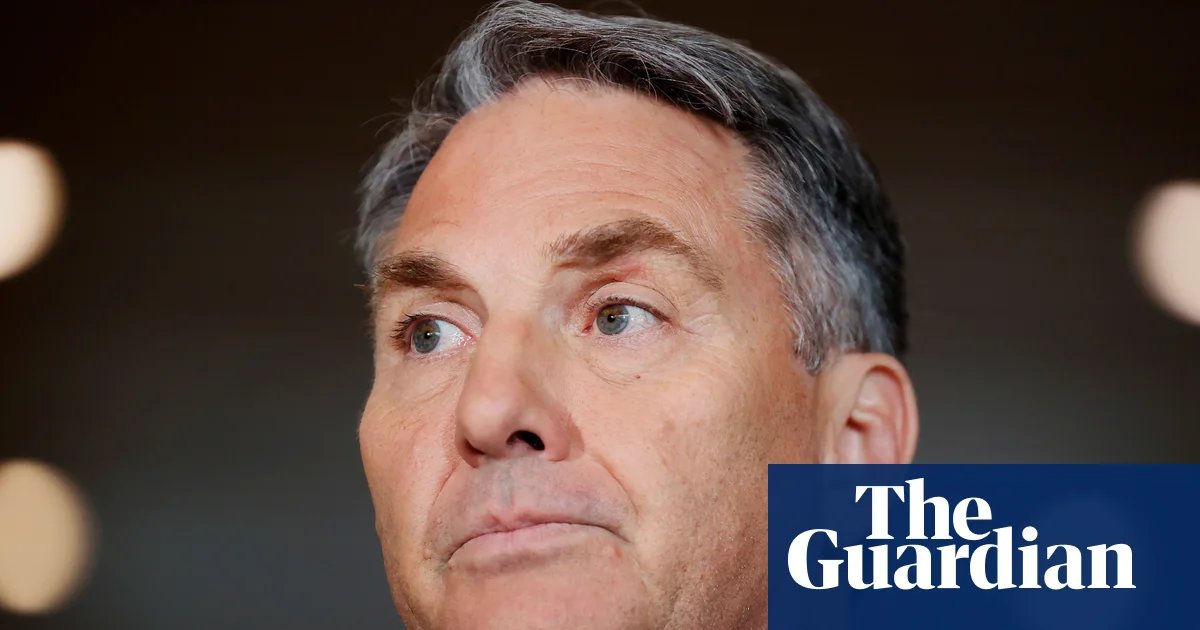
The defence minister, Richard Marles, announced on Tuesday the first works to extend the life of the oldest submarine, HMAS Farncomb, would begin this month. The boat had been due to be retired this year, but is now expected to operate until about 2036.
Replacement of diesel electric operating infrastructure onboard the Collins class vessels will only proceed if required to extend their lives, a change from previous plans designed to bridge capability gaps with the now dumped Attack-class program.
If successful, extending the vessels’ operational lives into the late-2040s would bridge the gap for the arrival of secondhand US Virginia-class nuclear submarines under the Aukus agreement with Washington and London.
The first Virginia-class is due to arrive in Australia in 2032, with another arriving every four years, before the bespoke Australian-built model starts coming online in 2042.
“The program will reduce engineering risk by sustaining existing systems where appropriate while continuing to upgrade critical capabilities, including weapons and combat systems,” Marles said in a speech to the Lowy Institute.
Government-owned shipbuilder ASC will be responsible for delivering the upgrades in Adelaide.
The new $11bn price tag is more than the original $4bn to $6bn estimate by the former Coalition government.
Of the six submarines, two are out of the water at any given time for scheduled maintenance. In November 2024, it was revealed five of the submarines were not available.
The government expects on average three submarines will be in maintenance at any given time, with the other three in custody of the Royal Australian Navy, including two available for operational deployment.
Labor has blamed shifting plans by successive governments for churn in the submarine program.
The Rudd government first planned to extend the operational lives of the Collins class, before the Abbott government began negotiating a possible deal to buy submarines from Japan. The Turnbull government eventually selected France’s Naval Group to build new subs in 2016, a plan torn up by the Morrison government when the Aukus agreement was signed with Joe Biden and Rishi Sunak in 2021.
Marles said the latest announcement would accelerate and prioritise sustainment work on the fleet’s youngest models, starting with HMAS Rankin.
“These decisions reaffirm the Albanese government’s commitment to keeping the Collins class a potent and highly capable strike and deterrent capability today, and for years to come,” he said.
“Extending the life of all six Collins class submarines is critical to maintaining that edge as we transition the navy from conventional to nuclear-powered submarines.”
Last week’s federal budget included plans for Australia to spend an extra $53bn on defence over the next decade, including $14bn more before the end of the decade.
Amid a rapidly shifting geopolitical landscape, Labor is spending at least $368bn on delivering Aukus.
“Aukus is now properly funded and its milestones are on track,” Marles said on Tuesday.
“Developing our nuclear-powered submarine capability alone represents the biggest leap in our military capability in more than a century and the largest industrial project in our nation’s history.”
The shadow defence minister, James Paterson, said Marles was avoiding scrutiny over the changes to the Collins class vessels and other Australian Defence Force matters.
“If Richard Marles put as much energy into persuading his expenditure review committee colleagues as he does attacking the previous government, maybe the ADF wouldn’t have to absorb as many cuts to capability as it has on his watch,” he said.