
Australia looks close to signing a landmark security and economic agreement with Fiji, part of the Albanese government’s efforts to contain China’s growing influence across the Pacific.
But, pushback from Beijing has undermined a separate deal with Vanuatu’s government, resulting in a scaling back of a deal aimed at locking in Australia as the country’s primary security partner.
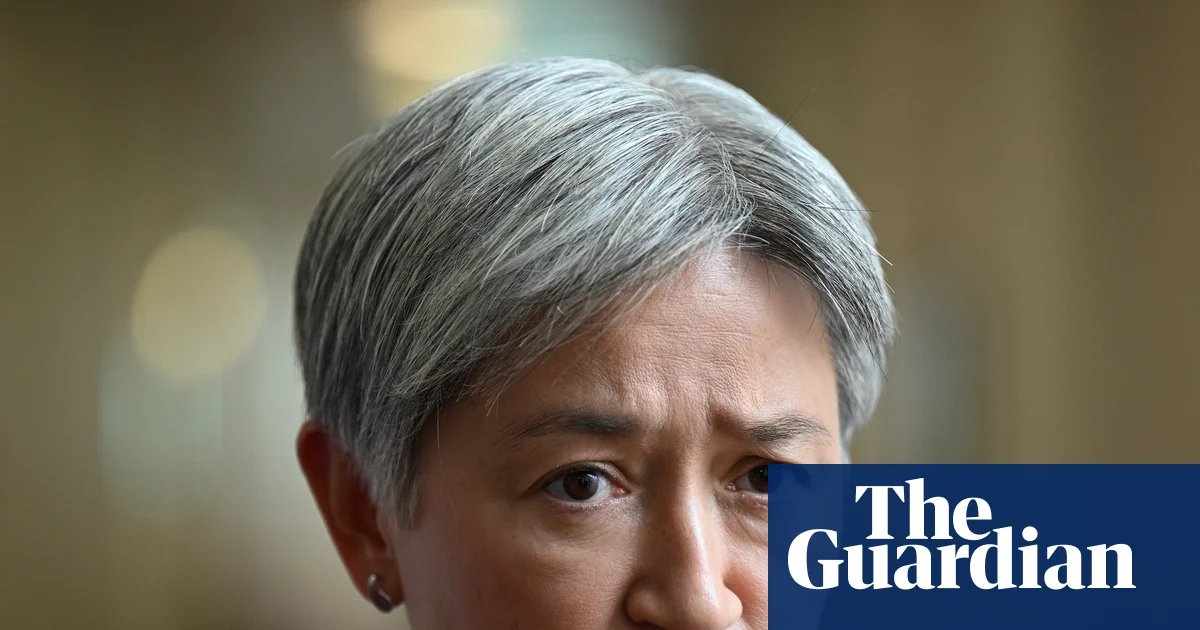
The foreign minister, Penny Wong, and the minister for Pacific Island affairs, Pat Conroy, were due to arrive Suva on Tuesday afternoon, part of a three-day trip focused on fuel security and strategic ties.
The pair are expected to progress a new treaty known as the Vuvale Union, including in talks with Fiji’s prime minister, Sitiveni Rabuka, and cabinet ministers.
Wong and Conroy have dramatically increased engagement across the Pacific since Labor’s 2022 election win, amid concerns China is buying influence through funding for major infrastructure projects and provision of services including policing.
This week’s visit is expected to include talks on energy security and major supply chain disruptions caused by the war in Iran.
Wong and Conroy will also hold talks with the secretary general of the Pacific Islands Forum secretariat, Baron Waqa.
Fiji is due to host a pre-COP31 summit in October, part of a negotiated settlement between Australia and Turkey over hosting rights for the massive climate event in November.
Wong said Australia and Fiji shared an enduring partnership, which helped keep the Pacific region “secure, stable and resilient”.
“Strengthening our ties with Fiji is a key part of Australia’s broader commitment to the Pacific, grounded in listening, partnership and long-term collaboration,” she said.
“Australia will continue to stand alongside Fiji and other Pacific Island partners to address fuel security challenges, including advocating for open and stable global supply routes so essential shipments can reach our region.”
Conroy welcomed the opportunity to progress the Vuvale Union, including efforts to stop organised criminal activity taking place in the region.
“We recognise that after climate change, transnational crime is a top security threat for the region,” he said. “That’s why we’ll discuss how Australia can support a coordinated regional response to transnational organised crime.”
Australia has used regional security deals to lock in cooperation with countries including Tuvalu and Nauru, as well as upgrading diplomatic ties with Papua New Guinea to a formal alliance.
The strategy came after the Solomon Islands government signed a secretive security agreement with China in 2022. That deal caught the Morrison government, and New Zealand’s government, “off guard”.
But efforts to secure the so-called Nakamal agreement with Vanuatu were blocked in September last year, as government ministers raised concerns about infrastructure funding promises from China.
Despite a visit from the prime minister, Anthony Albanese, last year, Vanuatu’s leader, Jotham Napat, confirmed the delay related to Vanuatu’s ability to continue to seek infrastructure funding from other countries.
China and Vanuatu are negotiating their own deal, known as the Namele agreement. Napat said in April it was a “comprehensive development cooperation agreement” and not a security deal.
Beijing has paid millions for upgrades to government buildings in Vanuatu, including an $86m gift to renovate the prime minister’s office last year.
Labor hopes to sign some form of a deal with Vanuatu soon.
A previous security agreement struck with Vanuatu in 2022 was never formally ratified by the country’s parliament, amid concerns over a lack of consultation and whether it was consistent with Vanuatu’s philosophy of non-alignment in foreign policy.


