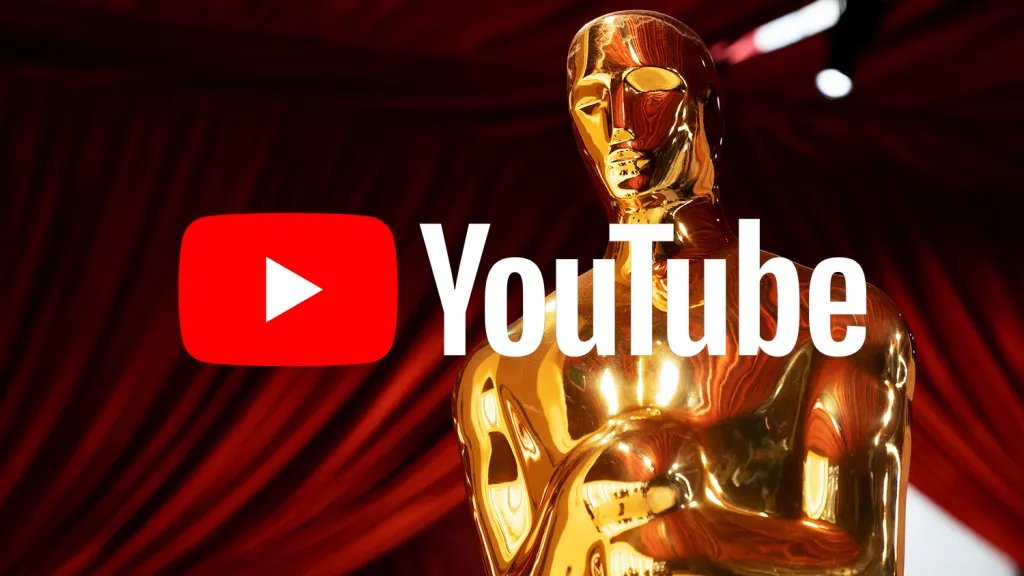
Kim Larson, global managing director and head of creators at YouTube, said the Google-owned video platform is planning to give the Academy Awards “a little bit of a zhuzh-up.”
Asked during a panel Wednesday at NATPE in Miami about the 2029 kickoff of the rights deal, Larson said, “So, this is an event, you guys! This is a big one. It’s obviously the most prestigious filmmaking award show in the world, and we’re gonna give it a little bit of a zhuzh-up.”
The Oscars, which are concluding a decades-long run with ABC and Disney, will follow a growing selection of live programming streamed on YouTube, including the first-ever NFL game last fall. The company has also been campaigning for creators to get Emmy recognition and is a sizable player in the pay-TV sector with YouTube TV, now one of the top three providers in the U.S.
“We have some really cool things, like we have special backstage access, Governor’s Ball access, a different way we’re thinking about the red carpet,” Larson added. She said the coverage would give “a real nod to prestige and the importance of crediting everyone and all that have come before this. So we have something called the Global Arts and Culture Lab. We’re going to digitize the museum, the Oscar museum, all their content, make that available so that we can really celebrate what’s gone before and have a more up to date way to consume it.”
Larson during the conversation also cited Iron Lung, the film made and financed by the well-known creator Markiplier (aka Mark Edward Fischback). Released last week against wide releases like Disney’s Send Help, Iron Lung pulled in a breakthrough $21 million in its opening weekend.
Financed with $3 million of Fischback’s own money, the horror video game adaptation ended up being released in 4,000 theaters thanks to support from the creator’s 38 million YouTube subscribers.
“He literally went to these theaters and said, ‘Hey, will you show it for me?’ And that community stepped up,” Larson said. “Nobody thought that was possible. And I think that people are waking up to the power and the financial opportunity that comes with a community that’s as devoted as that one is.”
In terms of audience behavior, Larson said, “I think we overestimate the degree to which people discern different content types. I think we’re really precious about live sports, scripted shows, creator-led entertainment … It’s just, like, what do people want to watch in the moment? What is entertaining? What’s going to captivate them? So, we’re just seeing these barriers coming down in a way that is probably scary for a lot of people but also really fruitful for the industry.”