Where is Artemis II? NASA astronauts near the moon for first time in more than 50 years
Day four of the Artemis II mission to the moon saw the crew start to prepare in earnest for their lunar flyby and experience yet more toilet troubles
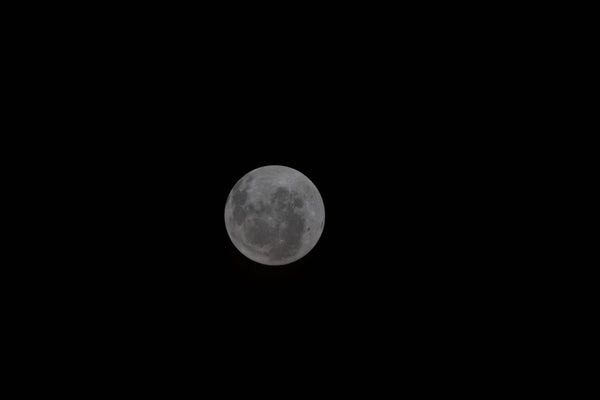
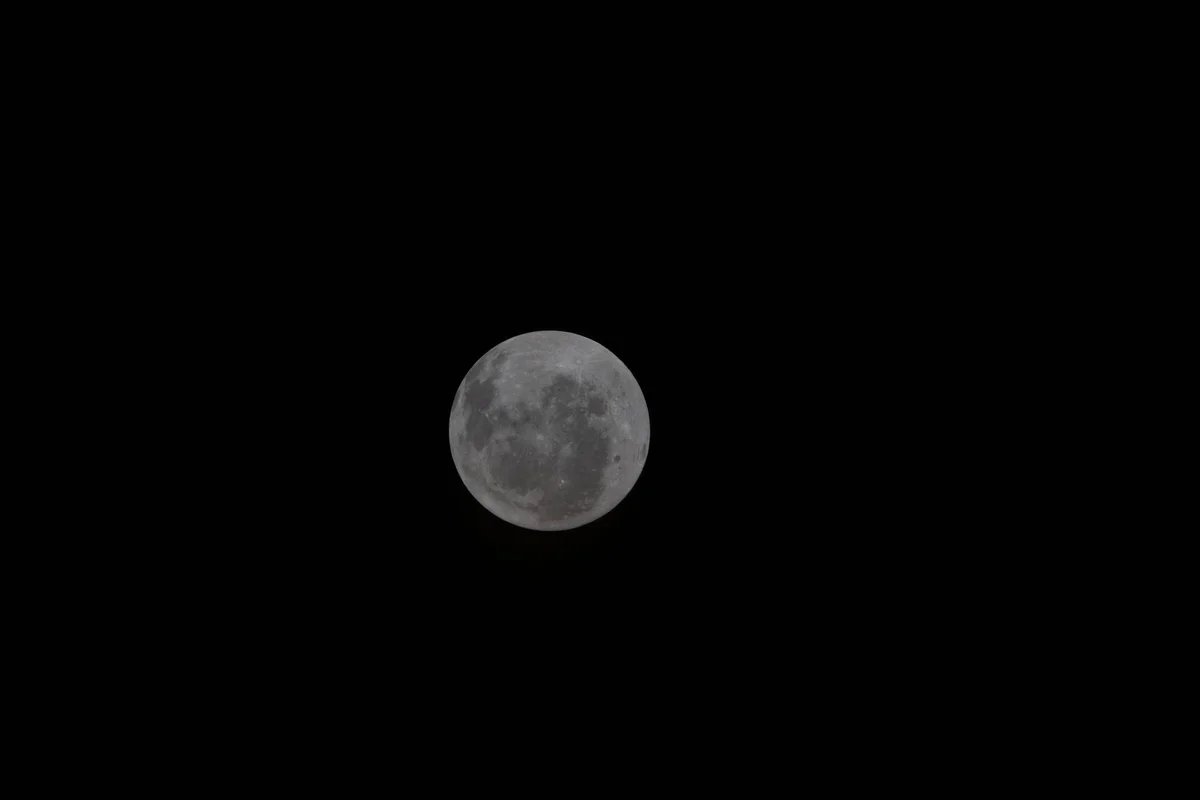
The Artemis II crew took this photo on day 4 of their journey to the moon. In it, the moon is oriented with the south pole at the top and parts of the lunar far side are coming into view. The moon’s Orientale basin is on the right edge of the lunar disk in this image.
NASA has launched four astronauts on a pioneering journey around the moon—the Artemis II mission. Follow our coverage here.
The Artemis II astronauts have surpassed the “two thirds” point of their mission to loop around the moon and fly back to Earth. As of 10:15 A.M. EDT on Sunday, the Orion spacecraft was more than 211,000 miles from Earth and about 68,500 miles from the moon.
Day Four of the mission began with the crew waking up to the opening lines from Chappell Roan’s “Pink Pony Club”—sadly, NASA cut the music right before the chorus, prompting commander Reid Wiseman to say what many of us watching were thinking: “we were all eagerly awaiting the chorus.”
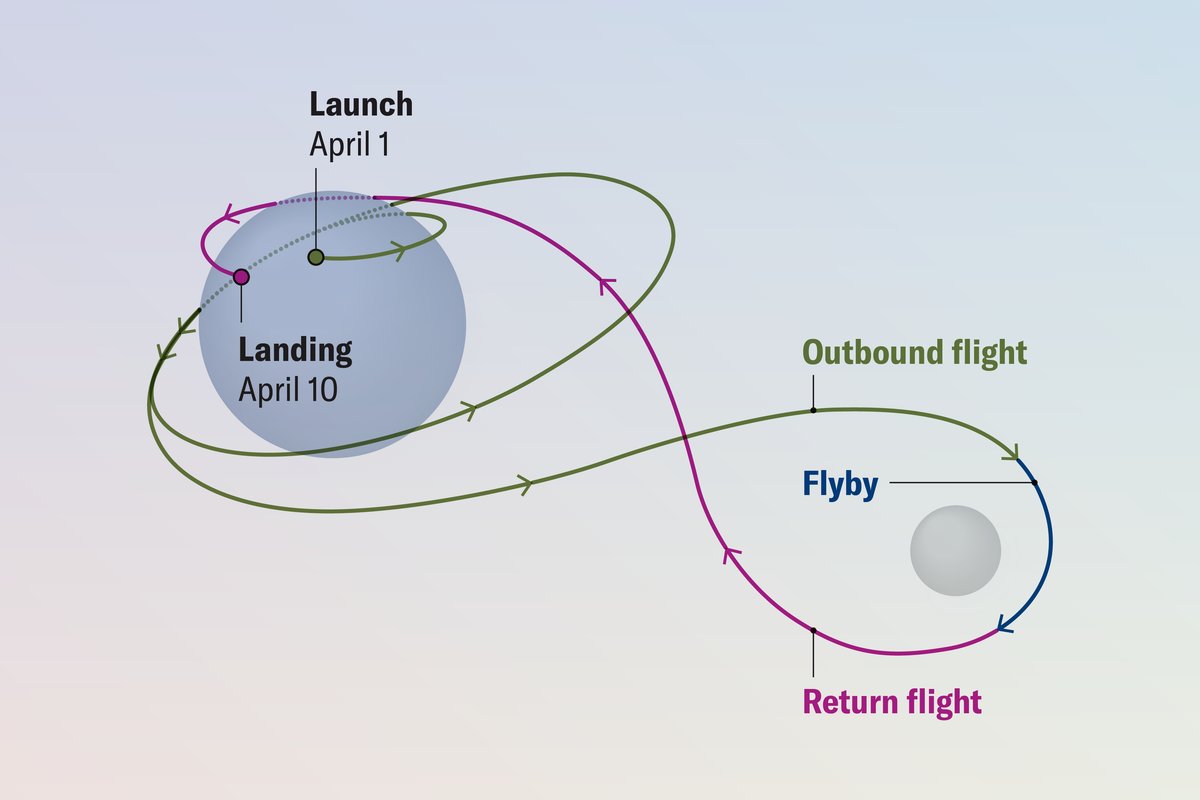
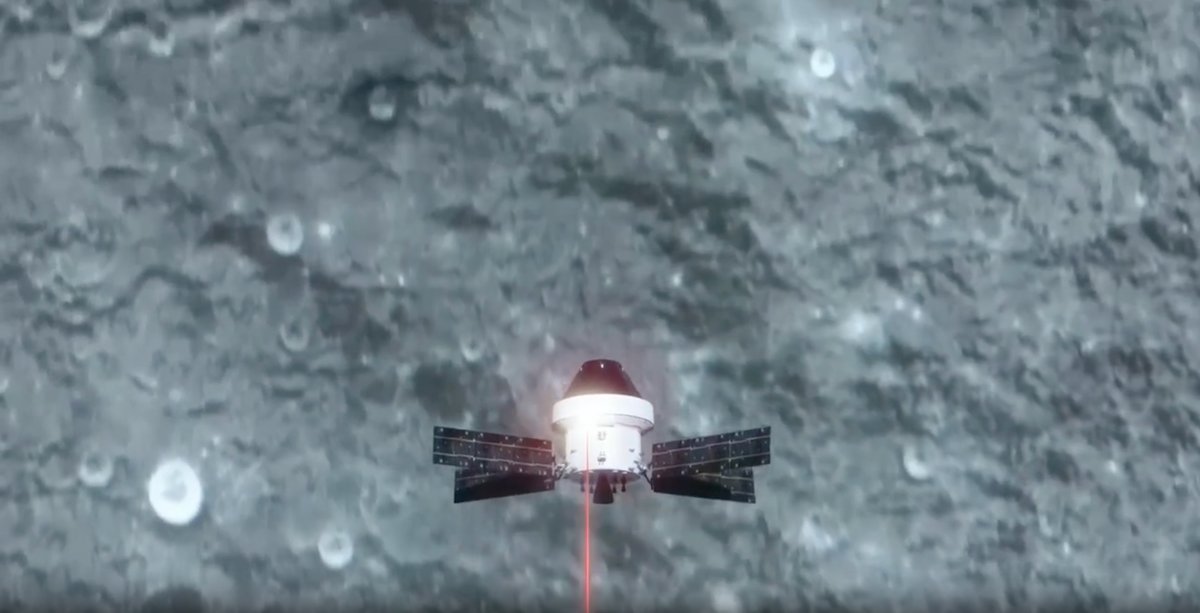
On Saturday the crew—Wiseman, pilot Victor Glover and mission specialists Christina Koch and Jeremy Hansen—began preparing in earnest for their lunar flyby, which is set for Monday, April 6. Each of the four astronauts has assigned lunar geography targets to observe during that approach, when capsule will swing as close as around 4,000 miles from the moon’s surface. At that time, our natural satellite will be the same apparent size as a basketball held at arm’s length. And already, the crew saw parts of the moon’s far side for the first time, Koch said on the NASA livestream of the mission.
On supporting science journalism
If you’re enjoying this article, consider supporting our award-winning journalism by subscribing. By purchasing a subscription you are helping to ensure the future of impactful stories about the discoveries and ideas shaping our world today.
“It is absolutely phenomenal,” Koch said. “The moon we are looking at is not the moon you see from Earth whatsoever.”
Glover, she said, was “mesmerized” by the sight of the Orientale basin—a massive impact crater that scientists hope the astronauts will be able to examine on their journey.
By observing the moon directly, the astronauts can quickly scan and spot lunar features that are easily missed in satellite and robot-taken images. For example, former NASA astronaut and Apollo 17 crewmember Harrison Schmitt spotted orange-colored dust on the lunar surface that turned out to be evidence of volcanic activity (Schmitt also turned out to be allergic to moon dust).
At a press conference on Saturday, NASA’s science mission directorate lead for the Artemis II mission said she anticipated having “goosebumps” as she and the other scientists following the mission see what the crew observes.
“They are absolutely prepared not just to give really scientifically compelling descriptions, but also to bring that experience verbally to us watching here on Earth,” she said.
Also on Day Four, NASA cancelled a planned maneuver of the Orion space capsule that was designed to help it stay on its trajectory—the move wasn’t necessary, and Orion is on track for the far side of the moon.
However, NASA did change the spacecraft’s attitude so that its wastewater vent lines were temporarily pointing more toward the sun to melt some ice thought to be preventing wastewater dumps. For context, wastewater essentially means the crew’s (pretreated) pee—solid waste is stored in odor-controlled canisters. There was a lot of potty talk that went along with this effort as the crew and Mission Control repeatedly tried to flush the vent lines and drain the toilet, which is itself a first for a moon mission. For an extended period, the crew were unable to go to the john, instead using “collapsible contingency urinals,” which is essentially a high-tech bag.
The astronauts also got another turn at steering the spacecraft—these tests help to ensure that Orion can be manually controlled if needed at any time in the mission. Astronauts Hansen and Koch took turns; Wiseman and Glover get another chance on Wednesday, April 9. These tests are crucial for future Artemis missions that involve a crew landing on the moon, as the Orion capsule will have to dock with another spacecraft to transport astronauts to and from the lunar surface.
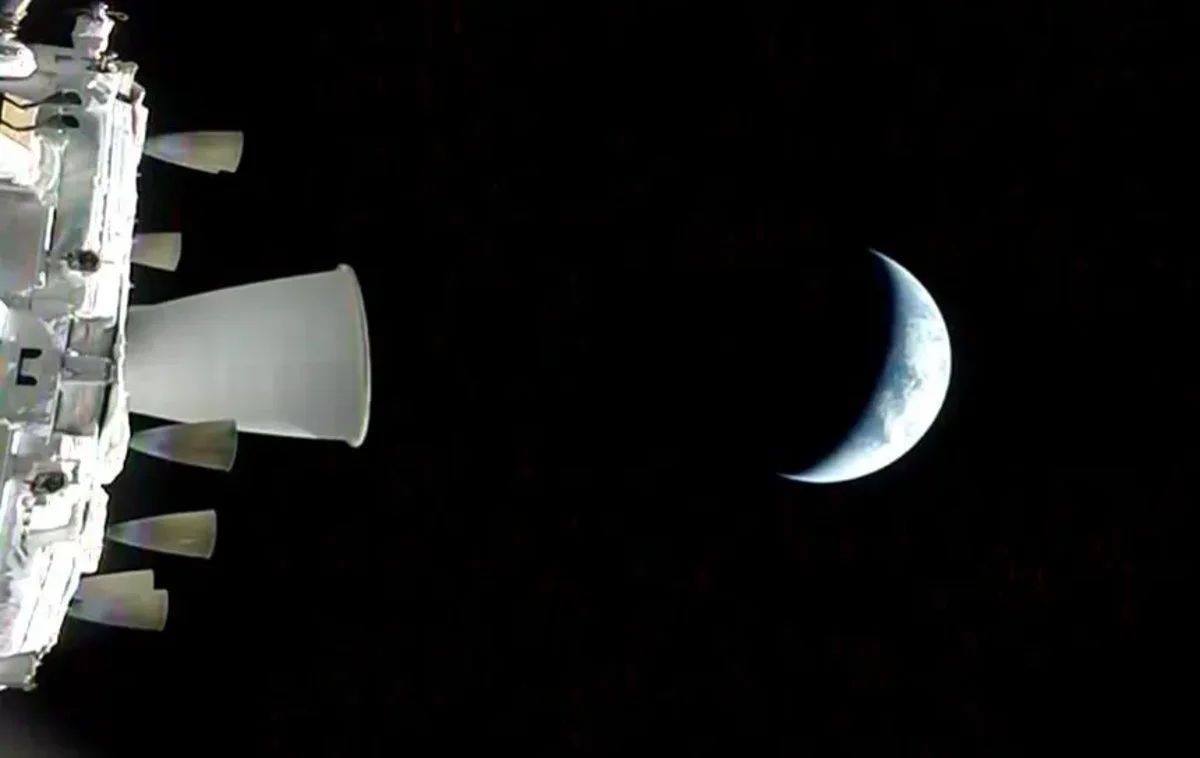
And the astronauts took a selfie—a family portrait of sorts where they appeared in the Orion capsule window and captured the picture from a camera on the solar array. Mission Control quipped that they looked forward to the Christmas card.
The midday meal included sweet and sour pork, some nuts, berries and a lemon curd cake.
Coming up today for Day Five of the mission, Orion officially enters the lunar sphere of influence—where the moon’s gravity exerts a stronger pull on the spacecraft than Earth’s gravity does. The day is going to be dedicated to testing, testing, testing and a lot of preparation.
After waking, they are set to perform a series of tests of their spacesuits, which are officially called the Orion crew survival system. These include making sure they can get the gear on fast, easily strap into their seats, and eat and drink through a port in the helmet. These International Orange spacesuits are designed to protect the astronauts during lift-off and re-entry, and for use in an emergency. The suits can provide up to six days of breathable air if Orion happened to depressurize.
Following this, the spacecraft may have to perform a maneuver to stay on track for its lunar flyby on April 6—the busiest day of the entire mission, barring launch and the return to Earth.
Glover at a separate press event Saturday spoke to the enormity of the task: “That we can do this right now means we could do so much more.”
It’s Time to Stand Up for Science
If you enjoyed this article, I’d like to ask for your support. Scientific American has served as an advocate for science and industry for 180 years, and right now may be the most critical moment in that two-century history.
I’ve been a Scientific American subscriber since I was 12 years old, and it helped shape the way I look at the world. SciAm always educates and delights me, and inspires a sense of awe for our vast, beautiful universe. I hope it does that for you, too.
If you subscribe to Scientific American, you help ensure that our coverage is centered on meaningful research and discovery; that we have the resources to report on the decisions that threaten labs across the U.S.; and that we support both budding and working scientists at a time when the value of science itself too often goes unrecognized.
In return, you get essential news, captivating podcasts, brilliant infographics, can’t-miss newsletters, must-watch videos, challenging games, and the science world’s best writing and reporting. You can even gift someone a subscription.
There has never been a more important time for us to stand up and show why science matters. I hope you’ll support us in that mission.