The oldest known dice in the world are roughly 12,000 years old and from western North America, a new study suggests. Before the discovery, the oldest dice recorded were from Mesopotamia, made around 5,500 years ago. That pushes the invention of dice back by about 6,000 years.
Many Native American cultures have rich histories of dice games and still play them today. These games were historically tools for social cohesion, increasingly important as isolated groups of people began to grow and mingle more, says Robert Weiner, an archaeologist at Dartmouth College.
“How are you going to interact with strangers?” he says. Dice games could have helped, but their oldest roots in Native American cultures were fuzzy.
The new study, published April 2 in American Antiquity, presents the first systematic attempt to track down the earliest dice in what is today the mainland United States.
Robert Madden, an archaeologist at Colorado State University in Fort Collins, sifted through existing records of Native American artifacts to look for the oldest dice in the country. He searched for objects that researchers thought were related to gaming or dice.
He then set criteria to sort possible dice. Native American dice are mostly two-sided, called binary lots, so the objects had to be two-sided, of certain shapes, with at least one side marked, that could fit in the hand. The objects also couldn’t have any holes, which could indicate they were used for jewelry.
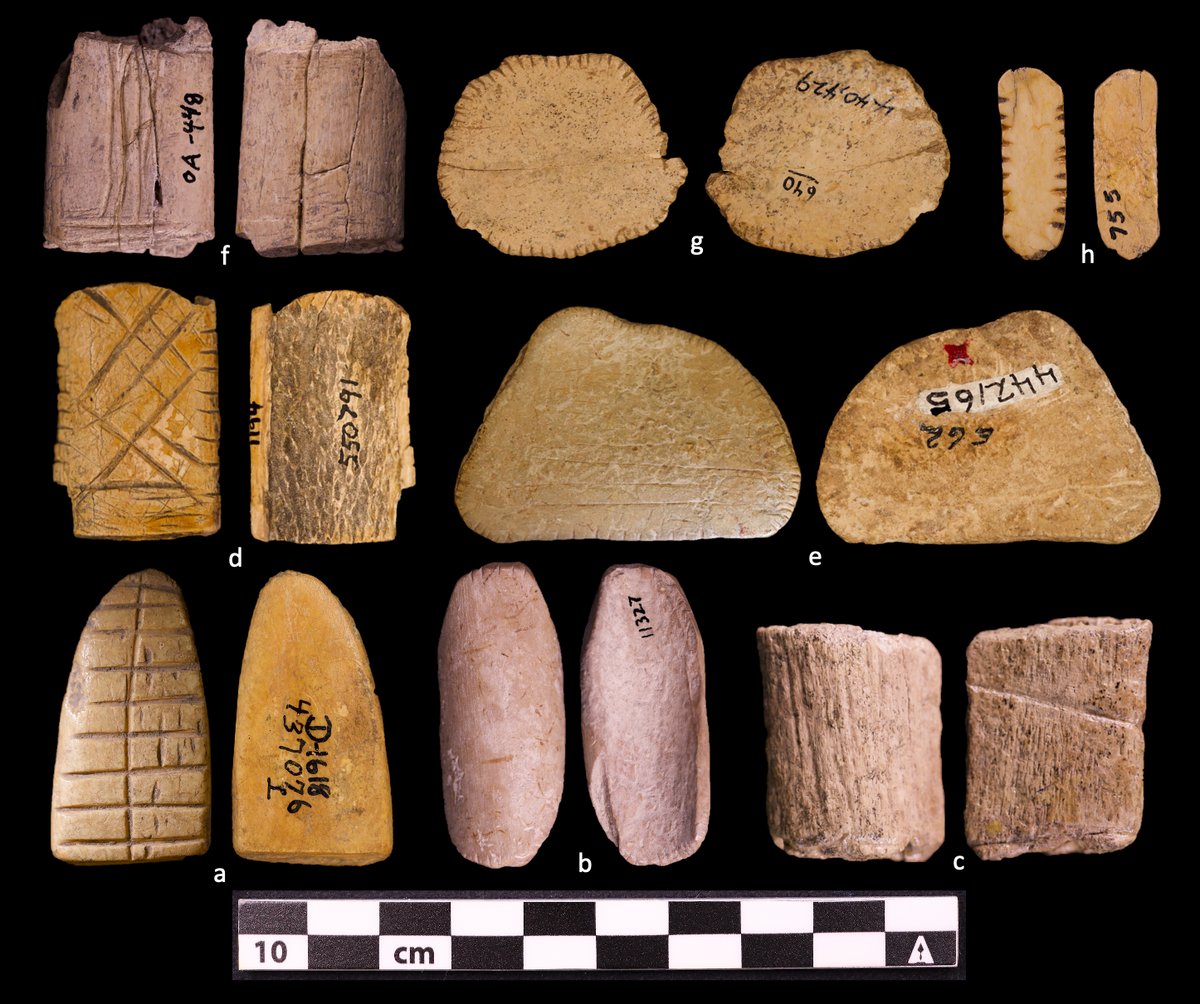
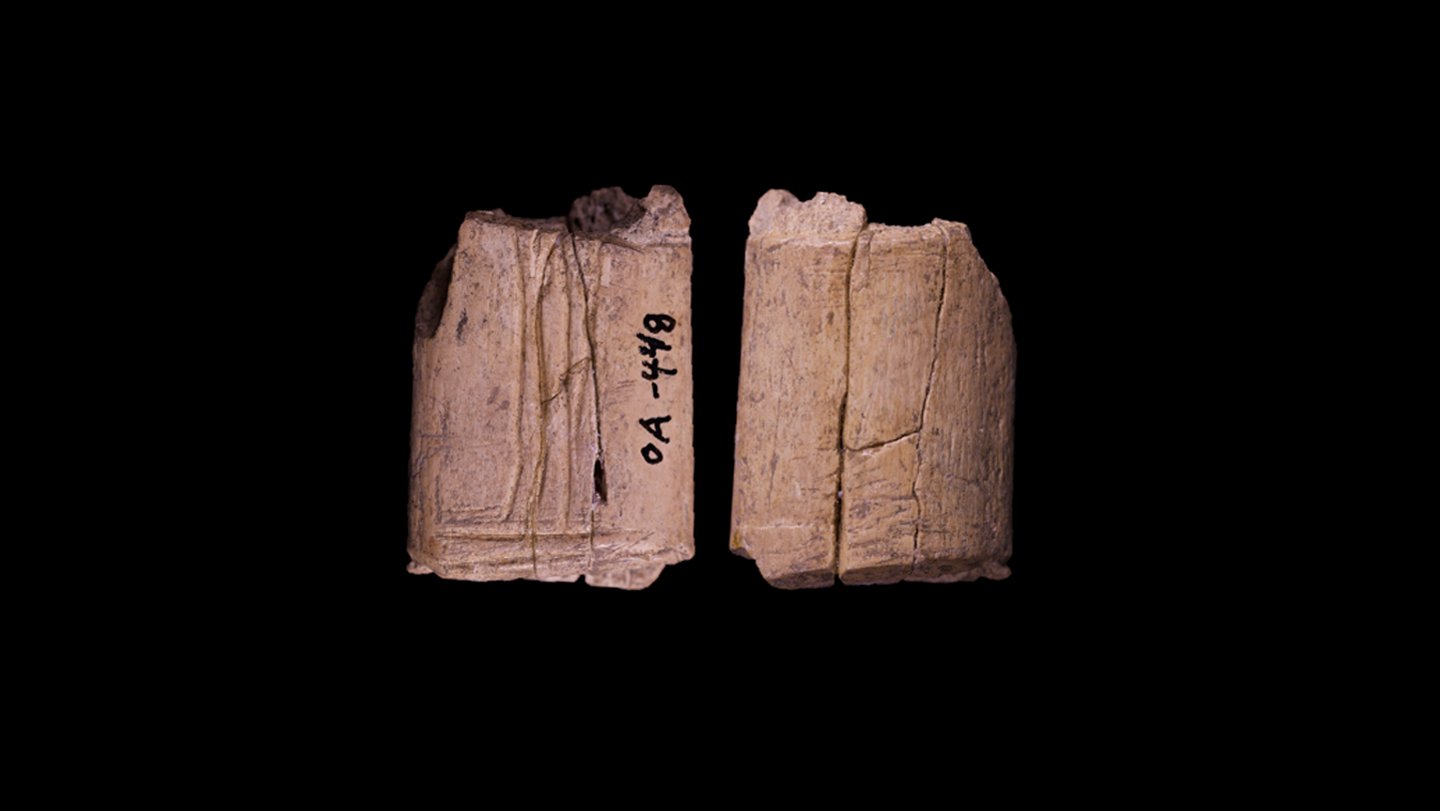
That search yielded 565 objects that met all the criteria and 94 that were probably dice but need clearer evidence for definitive identification. The items were from 57 archaeological sites across 12 states, all in the Great Plains and western United States. Most were from 2,000 to 450 years ago, but at least 31 were from 8,000 to 2,000 years ago, and at least 14 dated as far back as 12,000 years ago.
Madden traveled the country to examine the oldest of these in person. In some collections, he found plausible dice within the oldest age range that hadn’t been documented in the literature or identified in searches as related to gaming.
“It was amazing to hold these pieces of deep history in my hand,” Madden says. The in-person examinations confirmed for him that these ancient objects made of bone worn smooth by use and time, with lines carefully etched on one side, were dice. Some had faint traces of red pigment used to differentiate the sides.
They were recognizably the same design as more recent versions, including some modern Native American dice.
“If you took dice from 2,000 years ago and the prehistoric ones and put them in a bag and shook it up, it would be really hard to tell the difference between them,” he says. “They look very similar.”
Weiner, who was not part of the study, agrees. “I don’t think there’s a compelling alternative explanation for many of these objects,” he says.
The study probably underrepresents the true diversity, in space and time, of dice in Native American cultures, Madden says. After colonial contact, settlers documented that 18 tribes in the eastern U.S. played dice games, yet Madden’s search yielded no dice from that region. Future research should explore this, he says.
Finding the oldest dice also pushes back the period when humans were first experimenting with probability and highlights Native American contributions to early intellectual developments, Madden says. That Native Americans were using dice to generate randomness this long ago, he says, “is a very exciting connection to make.”