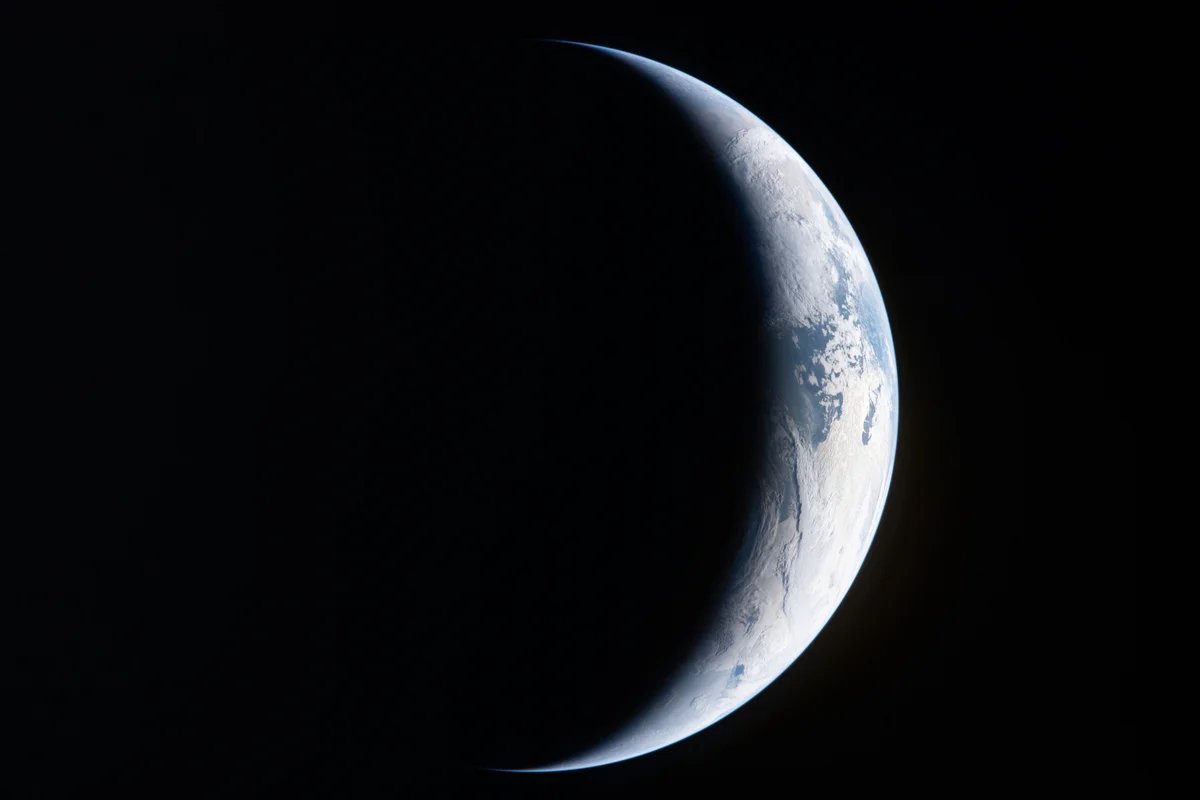
HOUSTON — After five days in space and five decades of waiting, human astronauts are about to get an unprecedented view of the moon.
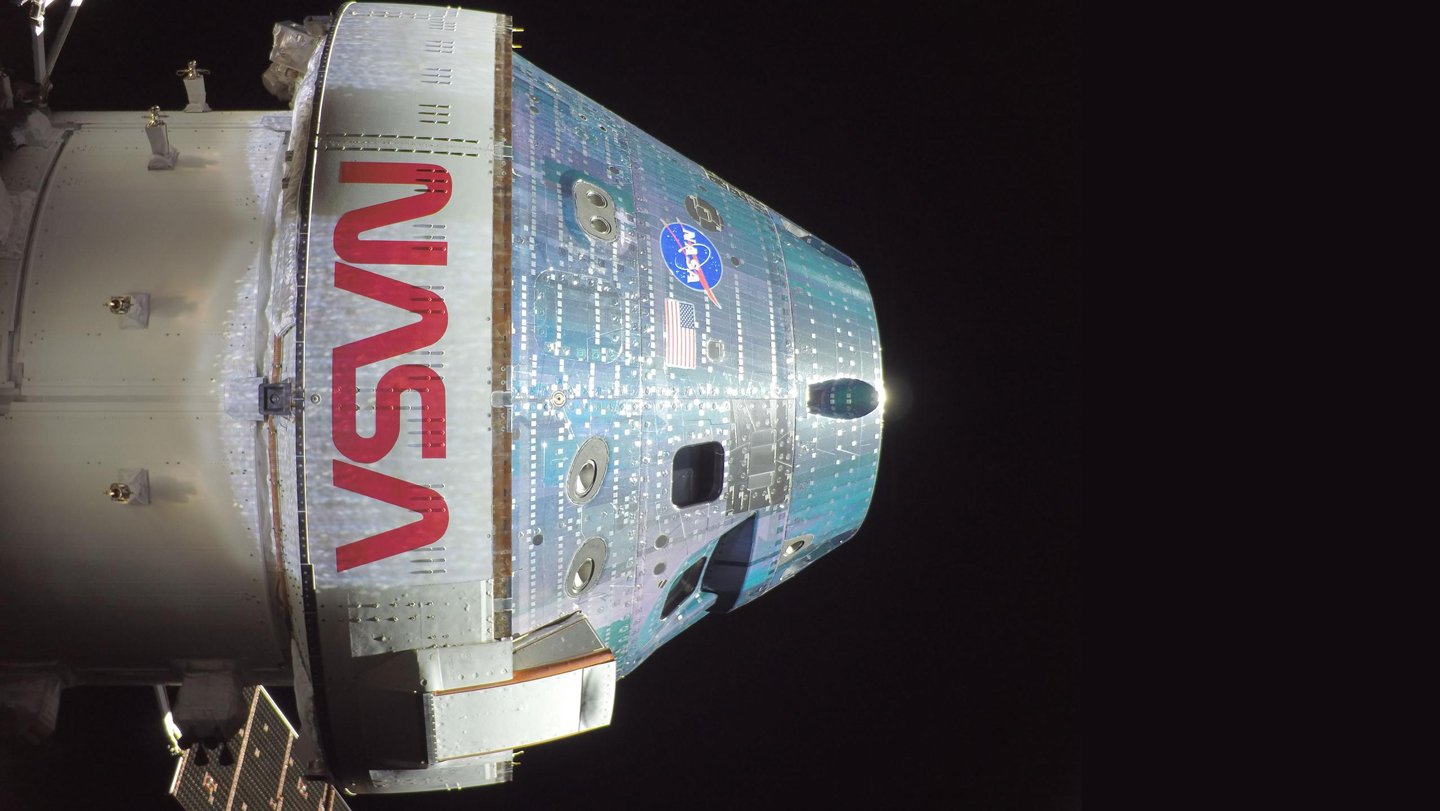
With Earth in the rearview mirror, the Artemis II mission’s Orion spacecraft is now in the lunar sphere of influence, where the moon’s gravitation pull is stronger than Earth’s. When Orion swings around the farside of the moon on April 6, the four astronauts aboard Orion will see lunar features that have barely been glimpsed before by human eyes, and never in such detail. The astronauts — NASA’s Christina Koch, Victor Glover and Reid Wiseman and Canadian Space Agency’s Jeremy Hansen — have spent years preparing to take scientific observations during the few hours they’ll have with the moon in their sights.
The flyby will last from about 2:45 p.m. to 9:40 p.m. Eastern time, including about 45 minutes when the spacecraft will be in the moon’s shadow and out of contact with Earth. While only about 20 percent of the moon’s farside will be illuminated in sunlight at flyby time, the astronauts will still get the clearest view yet of the region. The team also anticipates seeing the Apollo 12 and 14 landing sites, an eclipse as the moon blocks the sun from Orion’s perspective and possibly flashes of light when meteorites strike the moon.
Science News’ astronomy reporter, Lisa Grossman, is on the scene at NASA’s Johnson Space Center, providing updates as the flyby progresses.