NASA’s Artemis II moon mission is focusing on its return to Earth
The Artemis II spacecraft is due to splash down on April 10, and NASA officials and the astronauts onboard are gearing up for that return
NASA has launched four astronauts on a pioneering journey around the moon—the Artemis II mission. Follow our coverage here.
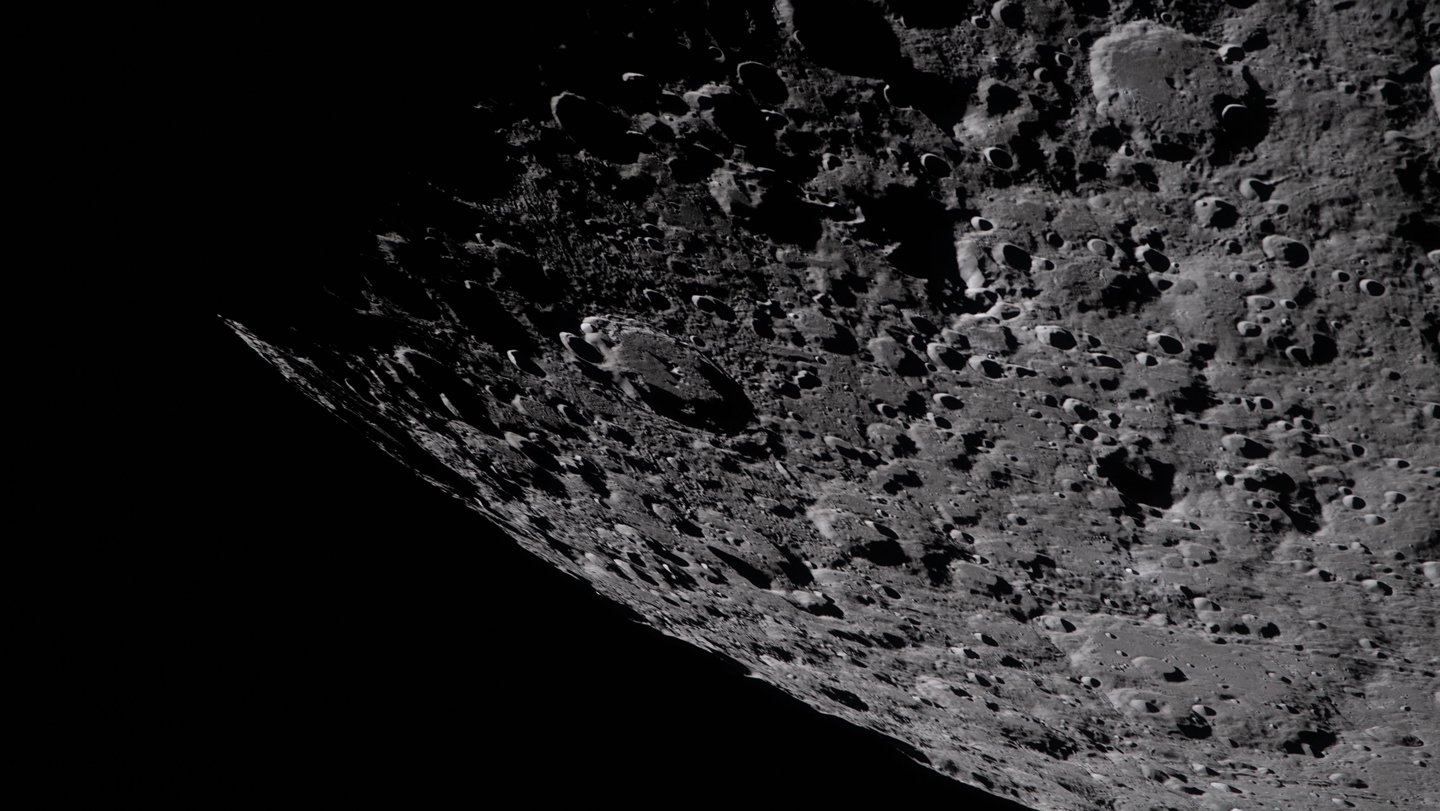
NASA’s Artemis II mission is almost at an end. The astronauts onboard the mission’s Orion crew capsule—Reid Wiseman, Victor Glover, Christina Koch and Jeremy Hansen—are on day eight of their 10-day trip around the moon and back. And now all eyes are on the plan for reentry.
“After an exciting day of science on Monday and a day for the crew to recover, the team is turning our attention to the return and getting the crew safely home,” said Lakiesha Hawkins, acting deputy associate administrator for NASA’s Exploration Systems Development Mission Directorate, at a press conference on Wednesday.
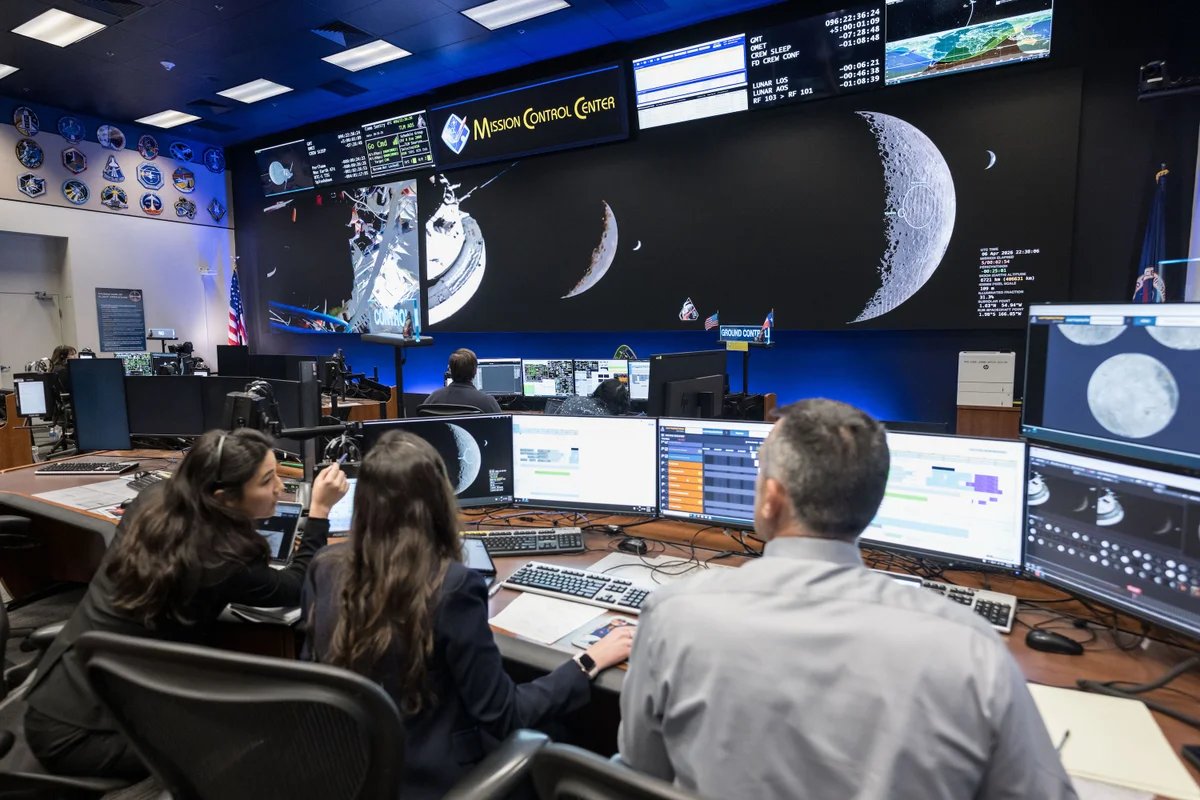
The crew will have another opportunity to practice manually steering the craft, which Hawkins said is essential to validating Orion’s ability to dock with other spacecraft during future missions. Houston Ground Control, however, decided to cancel one of the day’s other planned activities—constructing a shelter from radiation using the capsule’s storage space. That gives more time to prepare the cabin for the return to Earth, according to mission flight director Rick Henfling.
On supporting science journalism
If you’re enjoying this article, consider supporting our award-winning journalism by subscribing. By purchasing a subscription you are helping to ensure the future of impactful stories about the discoveries and ideas shaping our world today.
Friday’s splashdown will last just 13 minutes from reentry into Earth’s upper atmosphere to landing in the Pacific Ocean. As the capsule falls, it will deploy its thrusters to act as brakes and several sets of parachutes—called drogues, pilots and main chutes—to slow it down from 34,965 feet per second to around 25 before it hits the water.
Landing and recovery director Liliana Villarreal called in to the briefing from onboard the USS John P. Murtha, a Navy vessel that is en route to meet Orion when it lands. Divers will disembark from the ship and approach the capsule to retrieve the astronauts and help them onto an inflated craft that she called the “front porch.”
After the day’s activities are done—including an evening news event with media—the crew’s attention will also be firmly on the critical final chapter of the mission. On Thursday the astronauts will practice activating several of the key systems for reentry and will make sure everything is working as planned.
The mission’s success so far has only firmed up NASA’s reentry plan, Henfling said: “We really have a well-functioning spacecraft.”
“We’re planning for a nominal entry, with procedures just as we had developed them preflight,” he added.
Still, Hawkins emphasized that Artemis II remains a test flight, and NASA still has much to learn as Orion makes its way back toward our planet. “When the mission goes well, it can look like flying to the moon is easy. It certainly is not,” Hawkins said. “We can’t forget that this is a test flight, and I’ve taken everything that we’re learning forward to support the next mission.”
It’s Time to Stand Up for Science
If you enjoyed this article, I’d like to ask for your support. Scientific American has served as an advocate for science and industry for 180 years, and right now may be the most critical moment in that two-century history.
I’ve been a Scientific American subscriber since I was 12 years old, and it helped shape the way I look at the world. SciAm always educates and delights me, and inspires a sense of awe for our vast, beautiful universe. I hope it does that for you, too.
If you subscribe to Scientific American, you help ensure that our coverage is centered on meaningful research and discovery; that we have the resources to report on the decisions that threaten labs across the U.S.; and that we support both budding and working scientists at a time when the value of science itself too often goes unrecognized.
In return, you get essential news, captivating podcasts, brilliant infographics, can’t-miss newsletters, must-watch videos, challenging games, and the science world’s best writing and reporting. You can even gift someone a subscription.
There has never been a more important time for us to stand up and show why science matters. I hope you’ll support us in that mission.