Kendra Pierre-Louis: For Scientific American’s Science Quickly, I’m Kendra Pierre-Louis, in for Rachel Feltman. You’re listening to our weekly science news roundup.
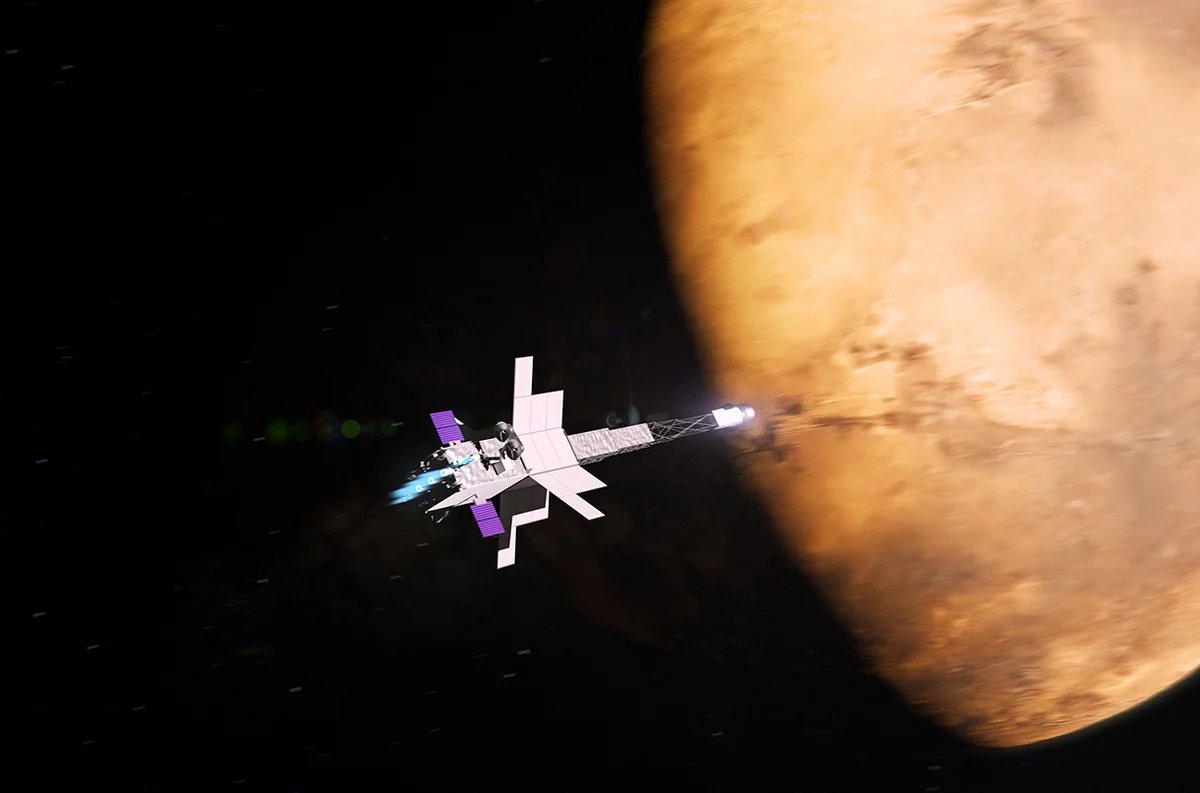
First, a quick update on NASA’s moon mission, which lifted off last week. Last Thursday Artemis II left Earth orbit, making the four astronauts onboard the first humans in over 50 years to do so. And today is a critical day for the mission as it plans to execute a historic lunar flyby and go farther from Earth than any human ever has.
In environmental news, last Tuesday the Endangered Species Committee exempted oil and gas drilling in the Gulf of Mexico from the Endangered Species Act, or the ESA, despite widespread consensus that it could lead to some species going extinct.
On supporting science journalism
If you’re enjoying this article, consider supporting our award-winning journalism by subscribing. By purchasing a subscription you are helping to ensure the future of impactful stories about the discoveries and ideas shaping our world today.
The last time the committee met was in 1992, under President George H. W. Bush. Back then members voted to exempt logging in the habitat of Oregon’s northern spotted owl, a bird that is under threat of extinction. That request, however, was ultimately withdrawn.
This time the committee convened at the request of Secretary of Defense Pete Hegseth. The defense secretary said the move was necessary for national security in light of ongoing lawsuits.
[CLIP: Secretary of Defense Pete Hegseth speaking at the committee meeting on March 31, 2026: “This pending litigation in district court seeks to stop Gulf oil and gas activities rather than allowing the integration of oil and gas production with responsible endangered-species protections.”]
Pierre-Louis: Hegseth didn’t specify which lawsuits he was referring to.
According to data from the U.S. Energy Information Administration, between 2018 and 2023 the U.S. produced more crude oil than any other country in the world. Nationwide the U.S. produced more crude oil in 2025 than it ever has, and a March forecast by the EIA says the nation is on track to do about the same this year. The Gulf of Mexico is already one of the nation’s top oil-producing regions, generating some 80 million gallons of oil per day, or enough to fill an Olympic-sized swimming pool roughly 120 times. This accounts for nearly 15 percent of the annual crude oil production in the U.S.
In April 2010 the Gulf was also the site of the nation’s largest marine oil spill. That is when the Deepwater Horizon, an offshore drilling rig, operated by BP, exploded, killing 11 workers, injuring 17, and releasing more than 130 million gallons of oil in 87 days. The spill is also believed to have killed about 95,000 to 200,000 sea turtles, including Kemp’s ridley, green, loggerhead, hawksbill and leatherback turtles, all of which are either threatened or endangered under the ESA. A study that looked at the endangered whale species known as the Rice’s whale, which only lives in the Gulf of Mexico, found that in the aftermath of the spill, the population declined by as much as 22 percent. Today there are only an estimated 50 Rice’s whales remaining.
A 2011 presidential commission report on the explosion found that the spill was preventable and that the immediate causes could be traced to mistakes that revealed, quote, “such systematic failures in risk management that they place in doubt the safety culture of the entire industry.” The report also found systemic regulatory failures by the Minerals Management Service, based in part on a too cozy relationship between some officials and the industry with which they were tasked to regulate.
The six-member panel who voted unanimously for the ESA exemption in the Gulf is made up of political appointees, including the secretary of the interior and the acting chair of the Council of Economic Advisers.
In more news about the Trump administration, last Wednesday the U.S. Department of Agriculture’s Forest Service announced that it will move its headquarters from Washington, D.C., to Salt Lake City, Utah, despite concerns over worsening brain drain.
The move comes as part of a broader plan to massively overhaul the agency, including shuttering all nine existing regional offices and at least 57 of its research and development stations, and pivoting to a so-called state-based organizational model. Forest Service Chief Tom Schultz said in the announcement that the changes will strengthen the agency’s, quote, “connection to the forests and the people who depend on them.” The restructuring moves the headquarters to the capital of a state that is currently suing the federal government for control of 18.5 million acres of federal lands. The filmmaker and conservationist Jim Pattiz, co-founder of the project More Than Just Parks, said in a Substack post that the plan, essentially embeds the agency leaders, quote, “alongside the very governors, legislators, and industry lobbyists who have spent their careers demanding that the Forest Service log more, protect less, and get out of the way.” And Pattiz isn’t alone in his criticism. During a public-comment period last year the agency received 14,000 unique public comments, more than 80 percent of which were negative. Only 5 percent were positive.
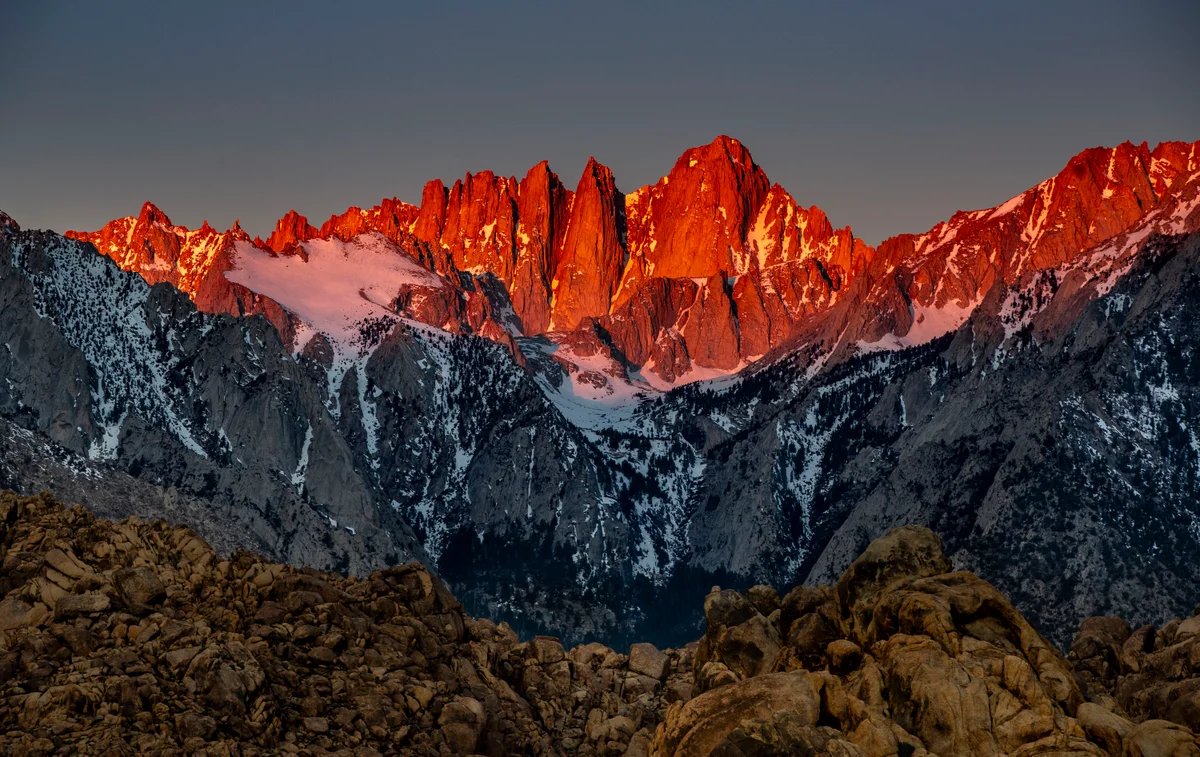
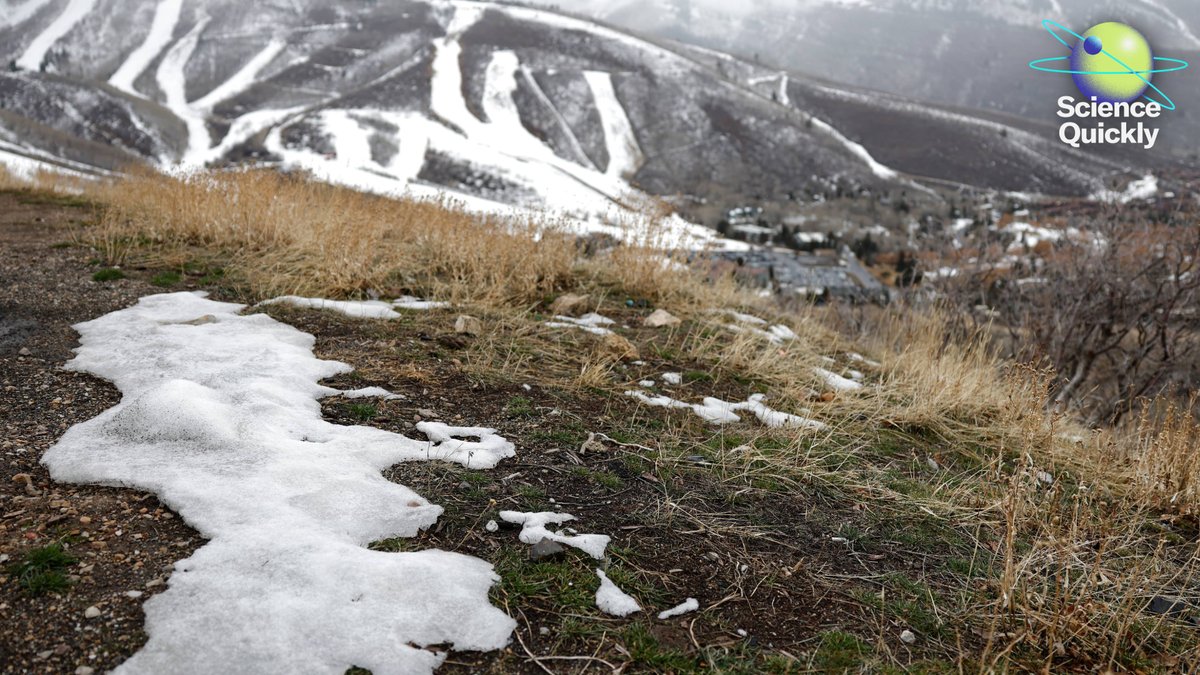
Continuing with environmental news, we turn to the western U.S. ‘s alarmingly low levels of snowpack. For much of the West, winter is the wet season, and the early April snowpack levels inform how much water—or how little—states will have to tide them over through the summer and early fall.
To tell us more about this, we have Andrea Thompson, senior desk editor for life science here at SciAm.
Thank you so much for joining us today.
Andrea Thompson: Thanks for having me.
Pierre-Louis: Before we kind of get in—too in the weeds, can we talk about what snowpack actually is?
Thompson: So basically, snowpack just means all the snow that’s on all of the mountain peaks and slopes across the western U.S.
When everything works like it’s supposed to, you have a, a good, robust snowpack that slowly melts out in spring and summer, keeping rivers and reservoirs topped up, keeping the ground and—moist and plants watered, which is, unfortunately, not what has happened this year. [Laughs.]
Pierre-Louis: And what is it looking like?
Thompson: Really bad. [Laughs.] In parts of California, it was actually a fairly wet winter, but everywhere out West this year was really warm. So what that means is: for a lot of places, when you did get precipitation, it came down as rain instead of snow, which runs into rivers and stuff immediately instead of being banked.
And then one of the most incredible heat waves we’ve ever seen in the Southwest happened. [Laughs.] So this was a heat wave basically, you know, in the middle of March. And this didn’t just set records; it kind of obliterated them.
So you can look at some of the [snowpack] charts and just see it nosedive, and in most places, it’s at record low levels. Some slopes that should be at their peak level at the end of the winter really don’t have anything left.
Pierre-Louis: I wanna talk to you about the implications of what that means, but before we get into that, I can’t help but ask, like, how does climate change factor into all of this?
Thompson: Anytime you’re talking about heat, climate change is there because the average temperature of the planet is rising, so any heat wave you have is automatically hotter. But we also know that heat waves like these are becoming more common.
So in just the past decade, something like this is about four times more likely to happen because of climate change and is about 1.4 degrees Fahrenheit, or 0.8 degrees Celsius, hotter than it would’ve been without climate change.
Pierre-Louis: And so, you know, what does that actually mean in terms of what we can expect to see out West this year? Like, I know wildfire risk, for example, is a really big …
Thompson: Yes, definitely. Nebraska has had its largest wildfire on record. There are sort of fires popping up here and there. There’s huge concern, particularly in some of the higher mountain forests that haven’t been as much of a concern in recent years, that we could see burns there. And, you know, you can’t know in advance where a spark might ignite something, but there’s going to be a lot of places that are really primed for it if that spark happens.
Pierre-Louis: What about water supplies?
Thompson: So this is where things kind of vary. Even though everyone is facing really bad snowpack issues this year, it differs a little basin to basin in terms of, like, how concerned people are.
So California is actually in an okay place. The big concern is the Colorado [River Basin], especially the upper basin, where there’s just nothing. And the Colorado was already in pretty dire straits. There are states haggling over who gets what water, and it’s just—there’s more allocated than there is water in the basin, and that is just going to, I think, really come to a head this year.
There are concerns, you know, I know at Lake Powell that there’s not going to be enough water to run the dam, that they could get below kind of the critical level there, so you get into even electricity supplies being affected.
And, you know, we have a potential El Niño forming later this year that looks like it could be a very strong one, potentially in a record territory. But yeah, you know, this could be a really rough summer for a good chunk of the Western U.S.
Pierre-Louis: And now onto something that has plagued most drivers: Why is it that when you pass a car, it always seems to catch up to you at the next red light?
That’s the question that Conor S. Boland, an assistant professor in materials science at Dublin City University, tackled in a study published last Wednesday in the journal Royal Society Open Science. The answer, says Boland, is old-school Newtonian physics.
Essentially, what matters is how far ahead of the other car we can get before hitting a light, compared with how long the red lights last. If the red-green cycle is long and mostly red, we’re likely to hit it when the light is red and our opponent is likely to have ample time to catch up before it turns green. On the other hand, if we go fast enough to put a huge distance between us and our pursuer, or if the red-green cycles are very short, we’ll usually escape.
There’s also likely some cognitive bias at play—we don’t notice when we pass a car and it doesn’t catch up.
Boland dubbed the phenomena the “Voorhees law of traffic,” after Jason Voorhees, the antagonist in the Friday the 13th movie franchise, who always manages to catch his victims despite the fact that they’re running and he’s walking.
Pierre-Louis: That’s all for today! Tune in on Wednesday, when we’ll take stock of the growing number of measles cases in the U.S.
Science Quickly is produced by me, Kendra Pierre-Louis, along with Fonda Mwangi, Sushmita Pathak and Jeff DelViscio. This episode was edited by Alex Sugiura. Emily Makowski, Shayna Posses and Aaron Shattuck fact-check our show. Our theme music was composed by Dominic Smith. Special thanks to Joseph Howlett for helping us interpret the physics in this episode. Subscribe to Scientific American for more up-to-date and in-depth science news.
For Scientific American, this is Kendra Pierre-Louis. Have a great week!