Mumps infections reveal that vaccine-preventable illnesses are resurging in the U.S.
Maryland is one of several states that are reporting cases of the infectious disease mumps, suggesting the return of diseases—like measles—that vaccines protect against
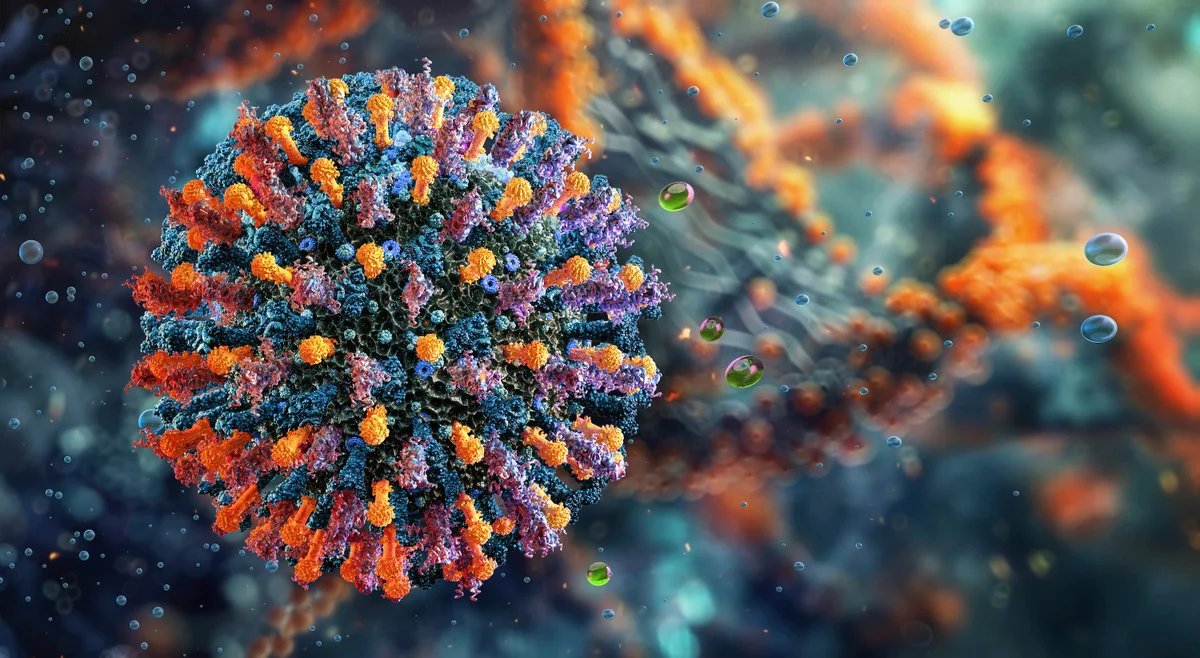
Illustration of the human mumps virus, a member of the Paramyxoviridae family.
RUSLANAS BARANAUSKAS/SCIENCE PHOTO LIBRARY/Getty Images
Mumps is back. The viral respiratory infection has been detected in at least 34 people across 11 U.S. states, according to the most recent Centers for Disease Control and Prevention data. And at least one state, Maryland, has issued an alert about the disease, which has caused at least 26 reported cases in the state as of February 19, CNN reported.
Mumps, which causes painful mouth swelling, is preventable with two doses of the measles, mumps and rubella (MMR) vaccine. But vaccination rates in children have fallen as antivaccine sentiment has grown in the wake of the COVID pandemic, leading to a massive spike in measles outbreaks in the past year.
Mumps infects the salivary glands below the ears. The virus spreads via respiratory droplets and saliva through coughing, sneezing, talking or sharing eating utensils. It can take two to four weeks for people to show symptoms after they are infected. Aside from the jaw swelling, mumps can cause other viral symptoms, such as fever, headache and muscle ache. While children tend to have either mild disease or even no symptoms at all, in teenagers and adults, mumps tends to be more severe. There is no specific treatment for mumps, but rest, hydration and pain relievers such as ibuprofen can help people recover.
On supporting science journalism
If you’re enjoying this article, consider supporting our award-winning journalism by subscribing. By purchasing a subscription you are helping to ensure the future of impactful stories about the discoveries and ideas shaping our world today.
One of the most painful complications of mumps is orchitis, or swelling of the testicles, which can harm fertility. The disease can also cause oophoritis or mastitis, which respectively mean inflammation in the ovaries or breasts. In rare cases, mumps can also result in meningitis—inflammation of the lining of the brain and spinal cord—or encephalitis, which is inflammation of the brain itself. Additionally, the illness can cause permanent hearing loss. Unvaccinated individuals are both more likely to be infected with mumps and more likely to have complications from the virus.
Since the first mumps vaccine came out in 1967, there has been a 99 percent decrease in cases of the disease in the U.S. But it still causes outbreaks, especially in places where people are in close contact, such as in schools, universities and prisons.
To protect against mumps, children are recommended to receive two doses of the MMR vaccine, the first at 12 to 15 months of age and the second at four to six years old. Two doses are 86 percent effective at preventing mumps; a single dose is 72 percent effective. Vaccinated people can still get infected, especially as immunity from the shots wanes over time, but if they do, they typically have a milder infection.
It’s Time to Stand Up for Science
If you enjoyed this article, I’d like to ask for your support. Scientific American has served as an advocate for science and industry for 180 years, and right now may be the most critical moment in that two-century history.
I’ve been a Scientific American subscriber since I was 12 years old, and it helped shape the way I look at the world. SciAm always educates and delights me, and inspires a sense of awe for our vast, beautiful universe. I hope it does that for you, too.
If you subscribe to Scientific American, you help ensure that our coverage is centered on meaningful research and discovery; that we have the resources to report on the decisions that threaten labs across the U.S.; and that we support both budding and working scientists at a time when the value of science itself too often goes unrecognized.
In return, you get essential news, captivating podcasts, brilliant infographics, can’t-miss newsletters, must-watch videos, challenging games, and the science world’s best writing and reporting. You can even gift someone a subscription.
There has never been a more important time for us to stand up and show why science matters. I hope you’ll support us in that mission.