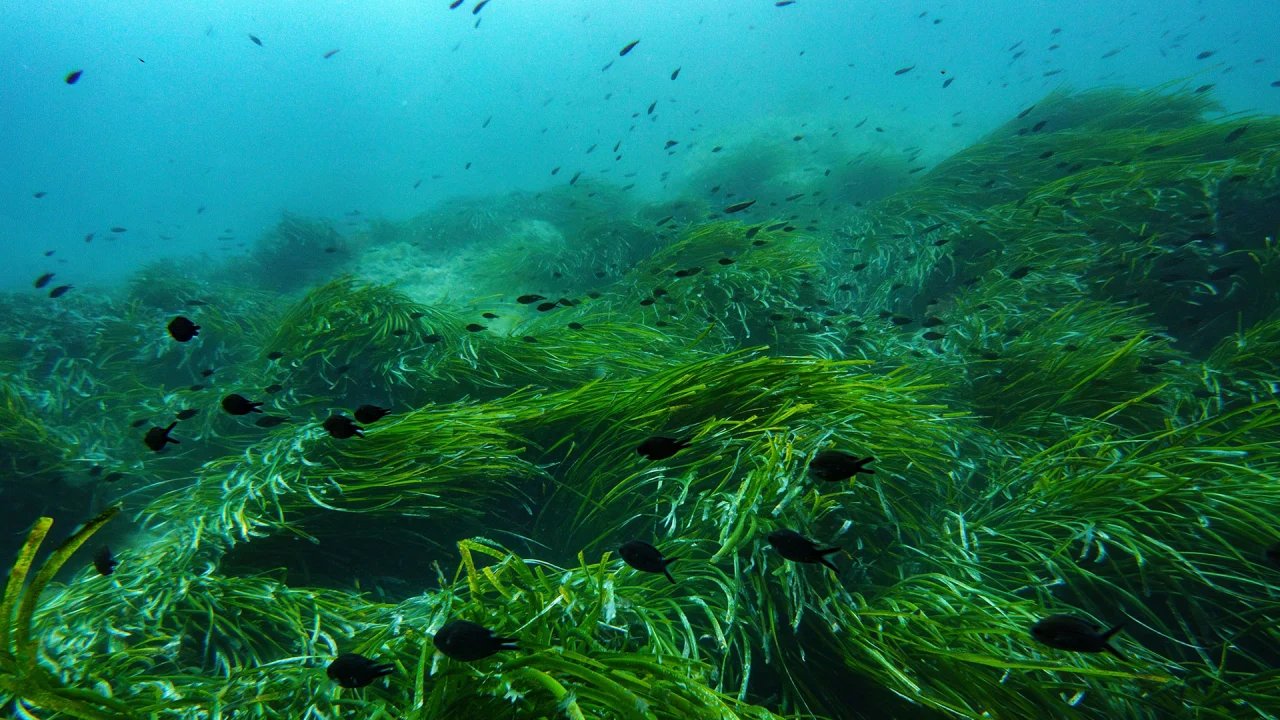
According to the Marine Conservation Institute, only 2.7% of the ocean is protected from destructive extractive activities.
The third U.N. Ocean Conference opened Monday as pressure mounts for nations to turn decades of promises into real protection for the sea.
French President Emmanuel Macron, delivering the keynote address in the host city of Nice, urged countries to move “from words to deeds” in safeguarding the oceans. He warned that “the fight for the ocean is at the heart of the years-long battles we’ve been waging—for biodiversity, for climate, for our environment, and for our health.”
The conference comes as just 2.7% of the ocean is effectively protected from destructive extractive activities, according to the nonprofit Marine Conservation Institute. That’s far below the target agreed under the “30×30” pledge to conserve 30% of land and sea by 2030.
Atop this year’s agenda is ratification of the High Seas Treaty. Adopted in 2023, the treaty would for the first time allow nations to establish marine protected areas in international waters, which cover nearly two-thirds of the ocean and are largely ungoverned.
“It’s the Wild West out there with countries just fishing anywhere without any sort of regulation, and that needs to change,” said Mauro Randone, regional projects manager at the World Wildlife Fund’s Mediterranean Marine Initiative. “The high seas belong to everyone and no one practically at the same time, and countries are finally committing to establish some rules.”
The ocean is critical in stabilizing Earth’s climate and sustaining life. It generates 50% of the oxygen we breathe, absorbs around 30% of carbon dioxide emissions and captures more than 90% of the excess heat caused by those emissions. Without a healthy ocean, experts warn, climate goals will remain out of reach.
The treaty will only come into force once 60 countries ratify it. As of Monday, just 32 countries had. Advocates hope UNOC can build enough momentum to cross the threshold, which would allow for the first official Oceans Conference of Parties.
“Two-thirds of the ocean is areas beyond national jurisdiction—that’s half our planet,” said Minna Epps, director of global ocean policy the International Union for Conservation of Nature. “We cannot possibly protect 30% of the ocean if it doesn’t include the high seas.”
South Korea, France and the European Union have championed the treaty, but most large ocean nations have yet to ratify it, including the rest of the G20. Thousands of attendees are expected in Nice—from delegates and heads of state to scientists and industry leaders. The United States has yet to confirm a formal delegation.