SpyCast was one of the first podcasts (period) back in 2006 when podcasting all began.
In fact, the first podcasts emerged online around 2004, around the same time that the word “podcast” was coined by British journalist and BBC broadcaster Ben Hammersley. He created the term (a combination of two words; “iPod” and “broadcast”) in an article in The Guardian to describe the then-emerging trend of RSS-feed kind of audio blogging.
SpyCast was an early podcasting pioneer, and is produced by the International Spy Museum in Washington, DC, with the podcast featuring interviews with spies, intelligence analysts, and experts. Over the past 20 years, the podcast has interviewed high profile and notable guests, including experts on Robert Hanssen, El Chapo, as well as figures from MI6, IDF Intelligence, and even award-winning directors. A few notable episodes include interviews with Robert Gates, former CIA Director, David Cattler, former Director of the Defense Counterintelligence and Security Agency, and Brian Carbaugh, former Director of the Special Activities Center.
In 2025, the show was relaunched with host Sasha Ingber to continue its run as its fifth permanent host. The first ever host of SpyCast was Peter Earnest, the first Executive Director of the International Spy Museum. To date, SpyCast has a portfolio of over 700 episodes for people to listen to.
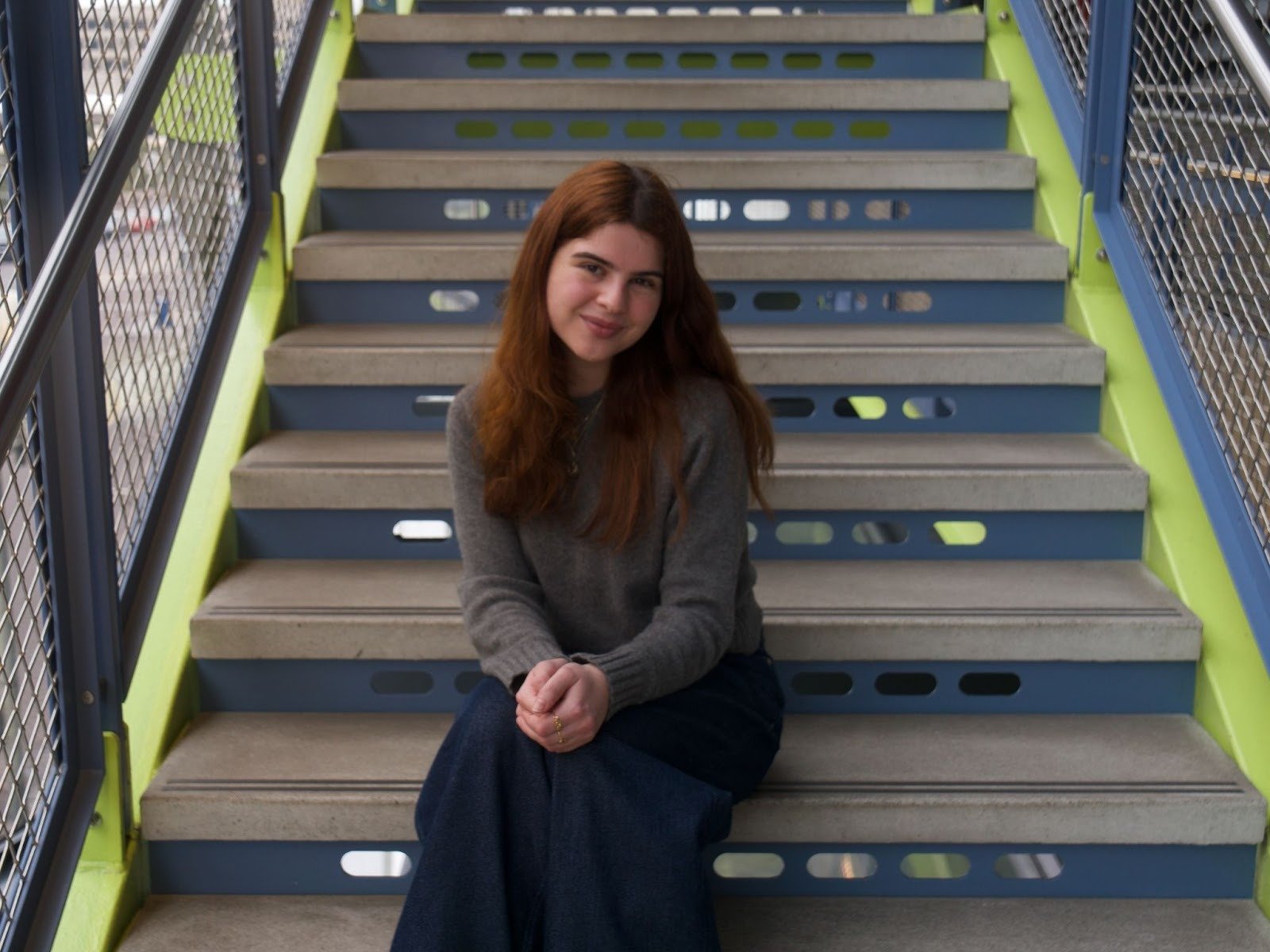
Flora Warshaw, the current podcast producer at SpyCast, works to create the podcast out of the heart of the historic museum in Washington, and helps book interviews with incredibly high profile guests in the American intelligence community. She works with four distinct teams within the International Spy Museum to create the podcast- videography, social media, the host and podcast editors. At just 25 years old, she runs one of the most successful intelligence podcasts in the US. With the upcoming 20th anniversary of SpyCast, she chats about celebrating the milestone and what’s in store next for SpyCast.

2026 marks the 20 year anniversary of SpyCast. What will the podcast do to celebrate this milestone year?
Flora Warshaw: Our 20th anniversary is also coinciding with America’s 250th anniversary, so we have some fun episodes coming up that highlight the best of American intelligence. I mean we have twenty years of episodes for audiences to listen to, so we will definitely do some posts showcasing some of our best.
How to bring history to a wider audience through podcasts?
The first podcast I first fell in love with was “The Rest Is History”. Of course I am biased as I majored in history for four years at University, but what actually drew me to that podcast was the storytelling aspect. If you make the past sound engaging and exciting and you can craft a real storyline, then it’s hard not to love history. A good podcast will do that and hopefully ours achieves the same effect.
How do you take weekly feedback on viewership and listenership and adjust accordingly?
We know the subject matters that people really gravitate towards. Our audience loves Chinese and Russian espionage episodes and a lot of the more historical WW2 ones. So we always see an increase in listenership with those ones. Obviously we want to provide the audience with what they like but it’s good to also stick with our mission of educating people about all different kinds of global intelligence.
How do you work with the podcast host to tweak the questions asked to guests, or other types of adjustments?
We do a very rigorous pre-interview with our guests that really help inform the questions we want to ask, as we know what the guest is very well-versed on. Our host is then incredible at crafting questions that create a beautiful narrative, and the interview then flows seamlessly from one question to the other because we now know the content so well from the pre-interview. Because we edit down the episode from an hour to 30 minutes, we can also cut the questions that weren’t necessarily the strongest.
Photo by Liz Mueller, International Spy Museum

How does your British upbringing help make this podcast stand out to a US audience?
It’s interesting, I can’t say it helps the podcast stand out, but it definitely helps many of our interviews. A lot of our subject matter is historically based, and focuses on British intelligence characters, and I can speak to and understand many of these time periods because they were of course what I was taught! So it definitely helps in the editing process that I really understand the subject matter. It’s also nice for some of our British guests to hear a fellow English accent whenever they go into the interview, and they are always caught off guard and a bit surprised to hear my voice at the other end of the online podcast recording next to our American host.
Listen to SpyCast on Apple Podcasts.