The hidden power of epigenetics: Best ideas of the century

At the dawn of the millennium, the number of genes in our genome was still up for discussion. When we finally got our first official estimate, the number was so far below expectations that it helped turbocharge a movement to rethink the evolutionary process. In 2001, the Human Genome Project announced we have no more than 40,000 protein-coding genes – a figure…

Read More

The secret signals our organs send to repair tissues and slow ageing

At first glance, it might not seem like people have much in common with deer. But a strange discovery about how their antlers regenerate is lifting the lid on the unseen ways that our bodies work, too.     Biologist Chunyi Li, who has long studied deer in north-east China, noticed something odd that happened when the animals regrew their antlers each…

Read More

Treating cancer before 3pm could help patients live longer

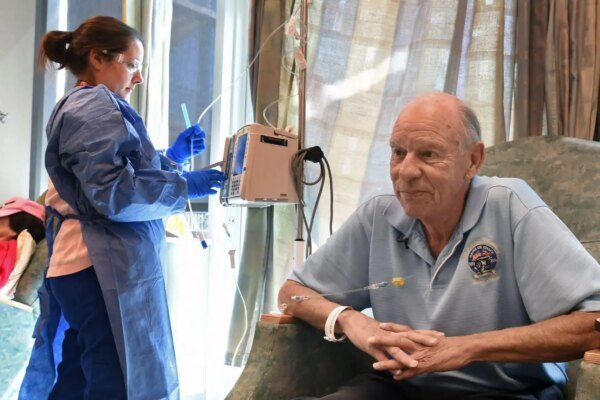
Administering cancer treatments at a particular time could be a relatively simple but effective intervention Kenneth K. Lam/ZUMA Press/Alamy Delivering cancer immunotherapy earlier in the day really could extend survival, according to the first randomised-controlled trial into how the timing of such interventions affects patient outcomes. Our body’s cells and tissues follow 24-hour cycles of…

Read More

Ants attack their nest-mates because pollution changes their smell

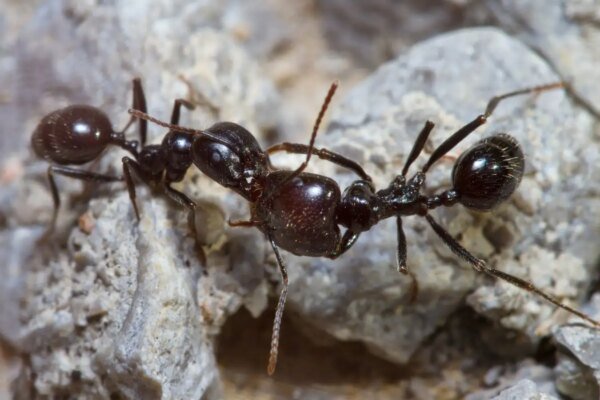
Harvester ants attack nest-mates whose scent they don’t recognise JorgeOrtiz_1976/Shutters​tock Common air pollutants like ozone and nitric oxide can change the way ants smell, prompting their nest-mates to attack them as if they were intruders. Ants recognise their comrades by scent, and when they encounter an ant whose smell they don’t recognise, they respond aggressively,…

Read More
Back To Top