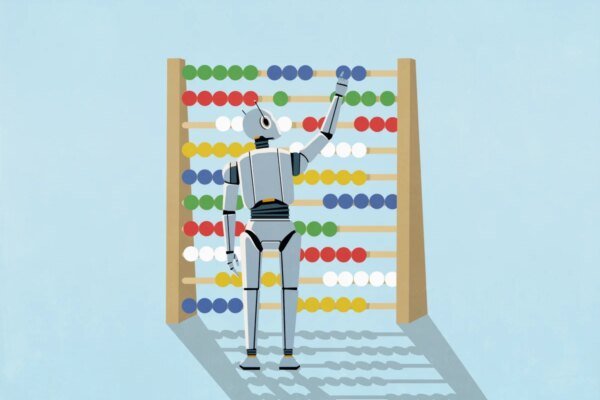
AI uncovers solutions to Erdős problems, moving closer to transforming math

One idle evening last October, Mehtaab Sawhney took up an old pastime. He began perusing the website erdosproblems.com, an updated record of the 1,179 conjectures left behind by the eccentric and indefatigable 20th-century mathematician Paul Erdős. Sawhney, a mathematician at Columbia University, had always been interested in the Erdős problems, which range from minor curiosities…

Read More

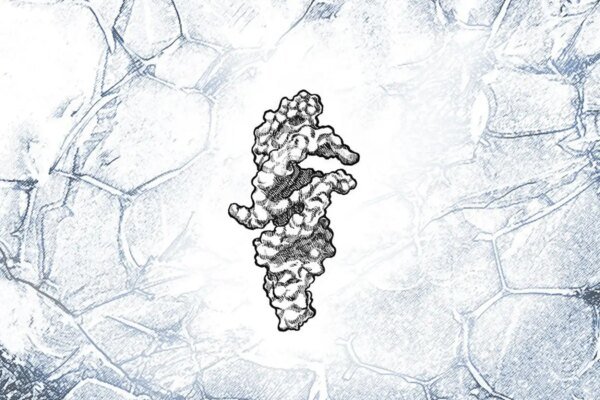
RNA strand that can almost self-replicate may be key to life’s origins

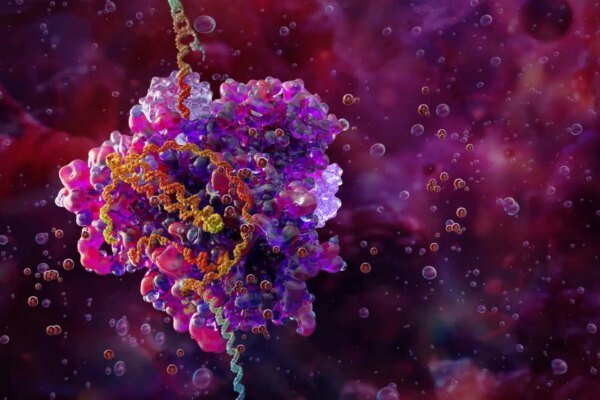
Artist’s depiction of QT45 (based on AlphaFold3 prediction) overlayed on a microscopy image of the frozen environment that aids RNA replication Elfy Chiang, microscopy image by James Attwater According to the RNA world hypothesis, life began when RNA molecules evolved the ability to make more copies of themselves. Now we have discovered an RNA molecule…

Read More

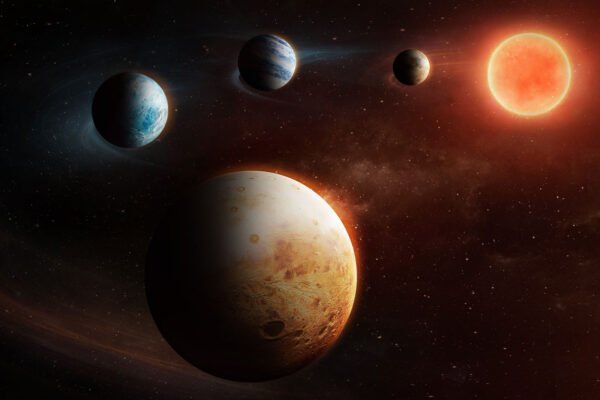
This inside-out planetary system has astronomers scratching their heads

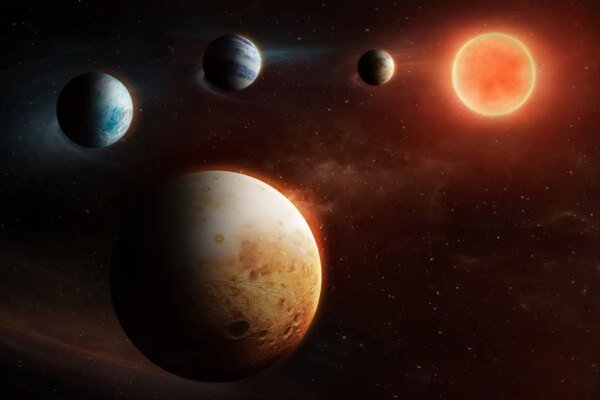
Like a double-stuffed Oreo of planetary proportions, the star LHS 1903 boasts two rocky exoplanets sandwiching two gaseous ones. From the star outward, the lineup — rocky-gaseous-gaseous-rocky — defies models that predict rocky planets appearing close in and gaseous ones further out. The configuration hints at a history of violence in the system, potentially refining…

Read More

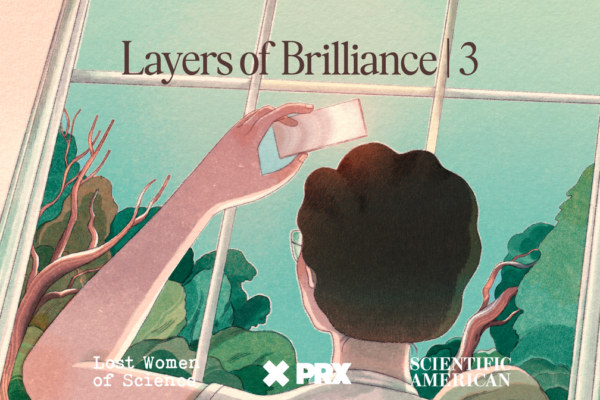
Katharine Burr Blodgett’s brilliance had to fit into the role of the only woman in a lab filled with men—it was the air she breathed

The only woman in a laboratory filled with men, Katharine Burr Blodgett soon becomes indispensable as an assistant to the General Electric Company’s most famous scientist, Irving Langmuir. Their working relationship is an elegant symbiosis. Her forte is experimentation; his is scientific theory. We follow their partnership as they successfully find ways to build a…

Read More
Back To Top