

A summer of escalating existential threats
Editor in Chief Nancy Shute reflects on the renewed specter of nuclear conflict to record-breaking heat driven by human-caused climate change.
Editor in Chief Nancy Shute reflects on the renewed specter of nuclear conflict to record-breaking heat driven by human-caused climate change.

Scientific American is part of Springer Nature, which owns or has commercial relations with thousands of scientific publications (many of them can be found at www.springernature.com/us). Scientific American maintains a strict policy of editorial independence in reporting developments in science to our readers. © 2025 SCIENTIFIC AMERICAN, A DIVISION OF SPRINGER NATURE AMERICA, INC.ALL RIGHTS…
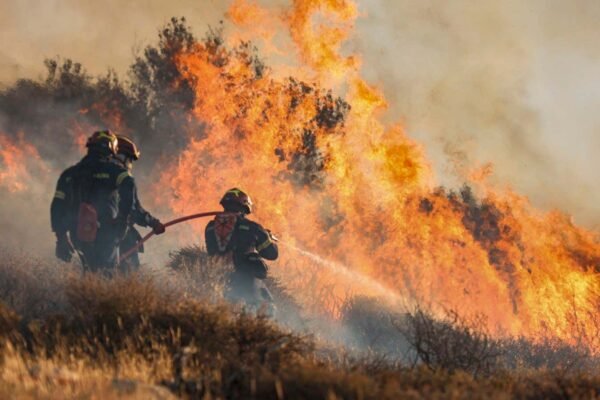
Wildfires are expected to become more frequent and severe as global temperatures rise COSTAS METAXAKIS/AFP via Getty Images If you told a child to stay “well away” from a cliff edge, how close to the edge could they creep before you started shouting for them to turn back? That is the question puzzling climate scientists…
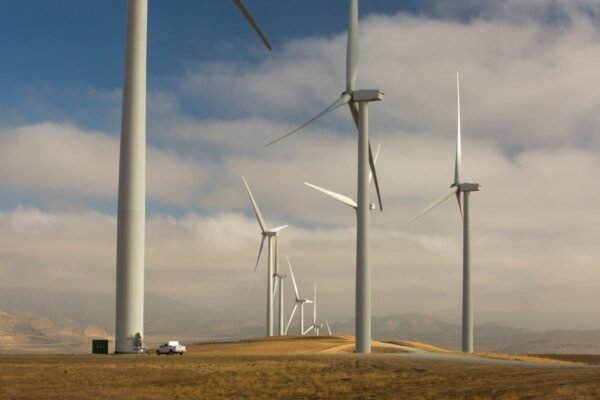
Higher Bills, Hotter Planet: What Trump’s Megabill Means for You Household energy expenses will rise, as will greenhouse gas emissions, as a result of the Trump administration’s One Big Beautiful Bill Act By Benjamin Storrow & E&E News Ashley Cooper/Getty Images CLIMATEWIRE | The sweeping budget bill signed by President Donald Trump will lead to…

Did the cosmos arise out of a big bounce from another universe? Vadim Sadovski/Shutterstock Could our universe be expanding and shrinking back into a tiny point, reliving a kind of big bang over and over again? Probably not, according to a mathematical analysis that argues that the laws of physic forbid such a cyclic universe….

Rachel Feltman: For Scientific American’s Science Quickly, I’m Rachel Feltman. Last April I spent a harrowing hour of my life trying to get tickets to a show at Madison Square Garden in New York City. I walked away with the cortisol levels of someone who’d just been hunted for sport and feeling lucky that I’d…
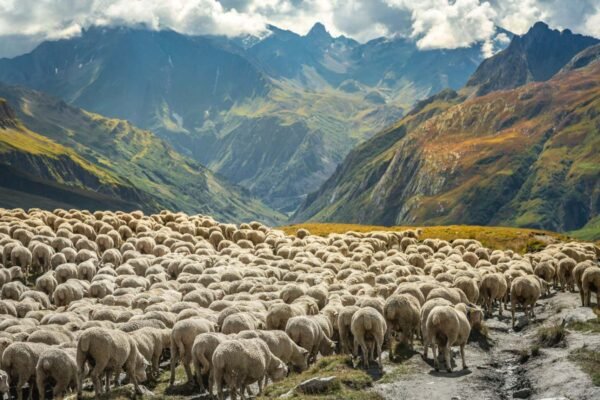
A flock of sheep in a valley in the French Alps Travelart / Alamy Rapid erosion due to human activity, such as grazing livestock and farming, has stripped the Alps of almost all the soil formed since the retreat of the glaciers. This soil developed over millennia as plants, microbes and weather transformed hard rock…
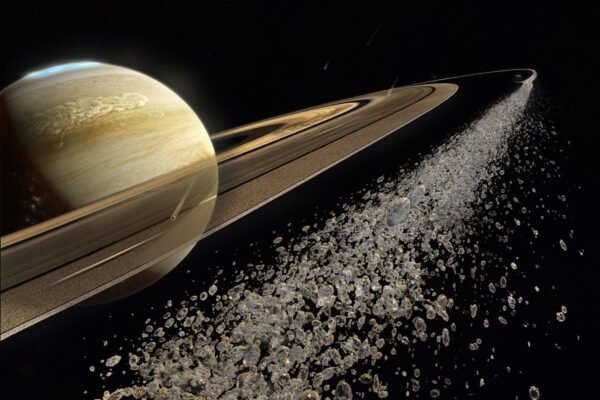
In November 2024 I was interviewed for a marvelous NPR podcast called Living On Earth about my latest popular science book, Under Alien Skies. While prepping for the show, one of the producers asked me a question that was so deceptively simple, so wonderfully succinct, and came from such an odd direction that I was…
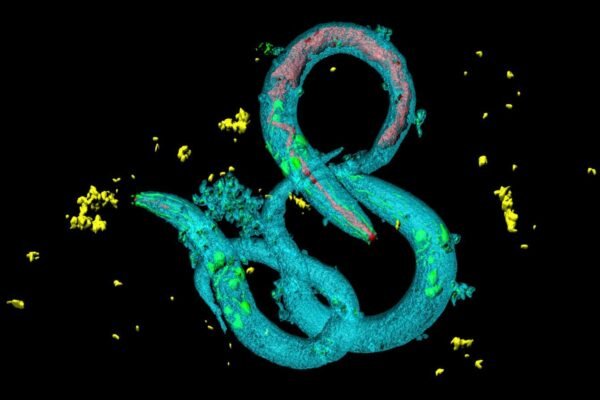
Nematode worms can learn to prefer plastic-contaminated prey over cleaner food Heiti Paves/Alamy Predators can learn to prefer eating prey that is contaminated with microplastics, even when clean food is available. This behaviour could have implications for the eating habits and health of entire ecosystems, including humans. Researchers discovered this preference for plastic after studying…

If a panel convened by the U.S. Food and Drug Administration has its way, a health risk warning included in hormone treatments for symptoms of menopause may soon be removed. On July 17, FDA Commissioner Martin Makary, a longtime proponent of estrogen and other menopause hormone treatments, hosted a panel of experts who oppose the…