See how aerosols loft through Earth’s sky

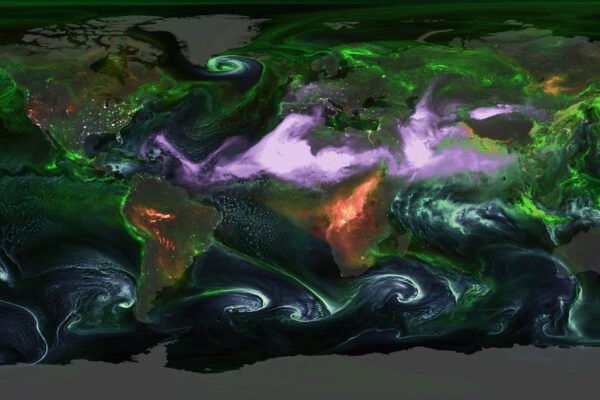
The sky abounds with aerosols, tiny particles with large sway over Earth’s temperature. A new NASA visualization reveals how these airborne particles swirl through the atmosphere. The agency’s Goddard Earth Observing System tracks major aerosol types — sulfates, black carbon, dust and sea salt. It combines satellite and ground-based observations with advanced computer simulations to…
Read More

Congressman Eric Sorensen on Defending Climate Science, Depoliticizing Weather and Bringing Scientific Rigor to Capitol Hill

Rachel Feltman: For Scientific American’s Science Quickly, I’m Rachel Feltman. Representative Eric Sorensen of Illinois spent 22 years forecasting the weather on television before winning his congressional seat in 2022. He now finds himself defending scientific agencies from unprecedented attacks at a time when climate change is pushing weather patterns into uncharted territory. Today we’re…

Read More

Biodiversity needs neurodiversity, says insightful new book

For many neurodivergent people, the outdoors is a more manageable, simpler place to be Westend61/Getty Images Neurodivergent, By NatureJoe Harkness (Bloomsbury) We begin with moth genitalia. Joe Harkness was planning to write a book about “niche nature interests”: ecologists, naturalists and conservationists with obscure passions for woodlice, or taxidermy, or yes, the examination (for ID purposes)…

Read More

mRNA Vaccine Tech Could Transform Medicine and Cure Diseases. RFK, Jr. Just Pulled Its Funding

Why mRNA Vaccines Are So Revolutionary—And What’s at Stake if We Lose Them Speed and flexibility have made mRNA a blockbuster technology By Stephanie Pappas edited by Jeanna Bryner Lipid nanoparticles, like the one shown in this illustration, are used as vehicles to deliver mRNA-based vaccines. Tumeggy/Science Photo Library/Getty Images The U.S. Department of Health…

Read More

How China Made an Antarctic Station Run on Majority Clean Energy

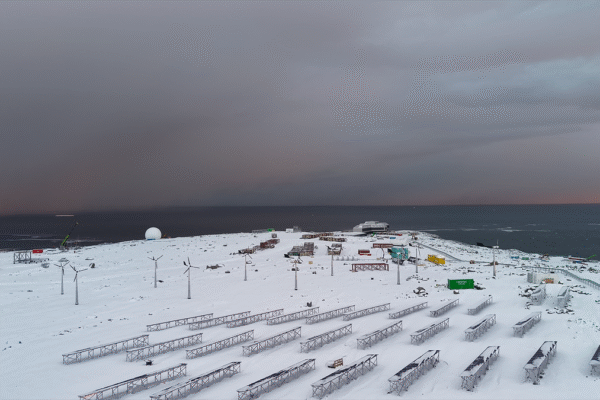
Five years ago electrical engineer Sun Hongbin was given what many would consider an impossible task: build a full-fledged clean-energy system amid some of the coldest temperatures on Earth, screaming winds and half-year darkness. China was then building its fifth Antarctic research station, called Qinling, on Inexpressible Island in Terra Nova Bay. And the nation’s…

Read More
Back To Top