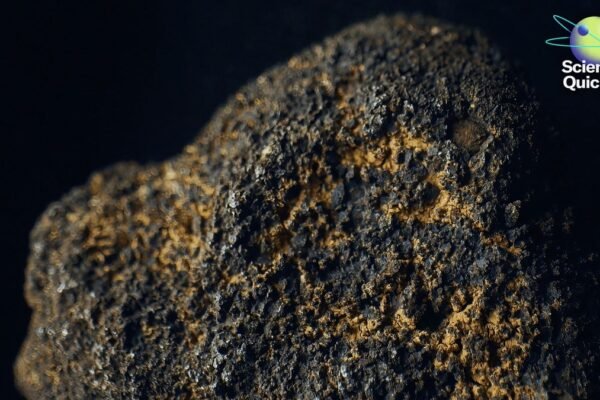
Deep-Sea Nodules May Produce Oxygen—Raising Concerns over Ocean Mining

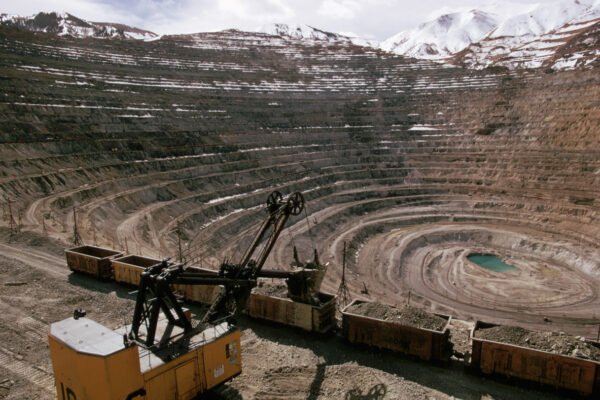
Clare Fieseler’s and Jason Jaacks’ reporting was supported by a grant from the Pulitzer Center and co-published with the Post and Courier. Rachel Feltman: For Scientific American’s Science Quickly, I’m Rachel Feltman. Scattered across the deep ocean floor are trillions of potato-sized black rocks packed with valuable metals such cobalt and copper. Mining companies want…
Read More

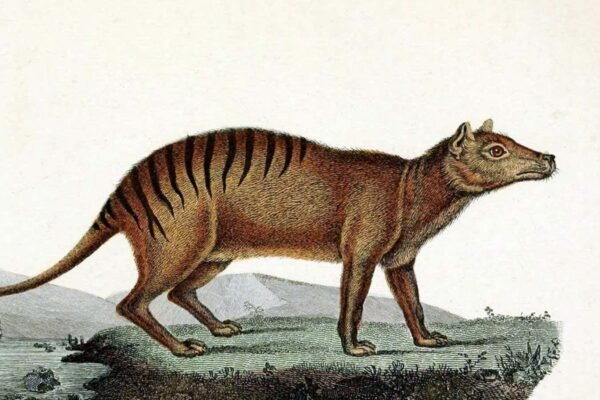
Thylacine’s genome provides clues about why it went extinct

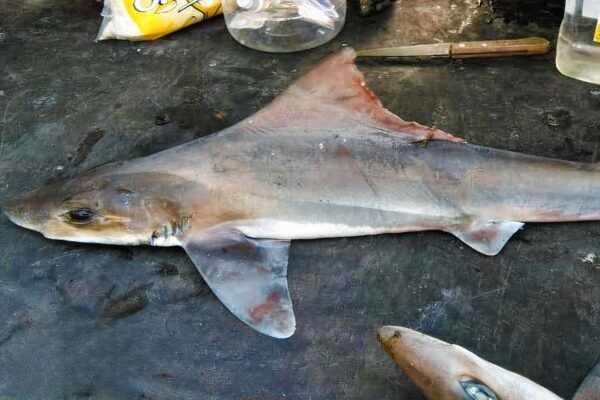
Thylacines were once found throughout Australia and New Guinea Robert Nickelsberg/Getty Images The loss of crucial genes over millions of years before the arrival of humans in Australia may have left thylacines more vulnerable to extinction. The thylacine, or Tasmanian tiger (Thylacinus cynocephalus) was the last survivor of a family of marsupials known as Thylacinidae…

Read More

SpaceX Successfully Launches Starship Spacecraft After String of Mishaps

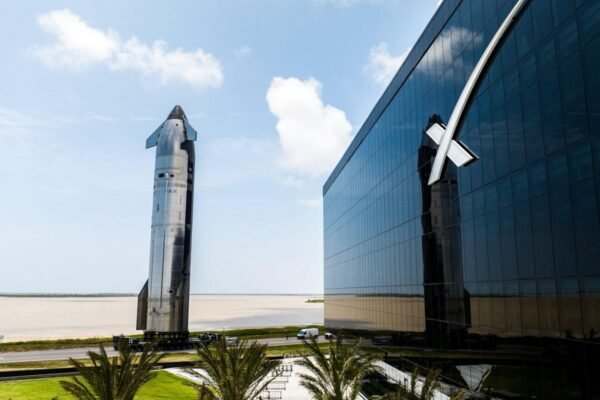
August 26, 2025 3 min read SpaceX Successfully Launches Starship Spacecraft after String of Mishaps Overcoming three recent failed tries, Elon Musk’s rocket company successfully flew its reusable jumbo booster and upper-stage Starship spacecraft By Dan Vergano edited by Clara Moskowitz An earlier SpaceX Starship and Super Heavy booster are moved to the launch pad…

Read More
Back To Top