New Alzheimer’s Blood Tests Promise Early Detection but No Clear Path Forward

This article is part of “Innovations In: Alzheimer’s Disease” an editorially independent special report that was produced with financial support from Eisai. The first hints that Gregory Nelson might be having cognitive troubles were subtle. So subtle, in fact, that his doctor assured him nothing was wrong. “Everyone who hits a certain age just misses…
Read More

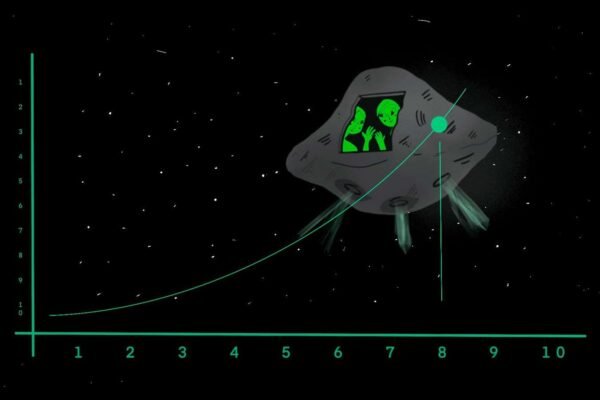
Telling incoming aliens from space rocks… on a scale of 1 to 10!

Feedback is New Scientist’s popular sideways look at the latest science and technology news. You can submit items you believe may amuse readers to Feedback by emailing feedback@newscientist.com In the name of… One of science’s greatest honours is to have something named after you. For example, geographer Alexander von Humboldt is remembered by a penguin,…

Read More

As Memory-Care Facilities Close, America Faces a Crisis in Alzheimer’s Care

This article is part of “Innovations In: Alzheimer’s Disease” an editorially independent special report that was produced with financial support from Eisai. The rate of Alzheimer’s diagnosis has declined steadily in recent decades, but as baby boomers age, the number of new cases continues to rise. The top risk factor for dementia is age, and…

Read More

A New Generation of Alzheimer’s Treatments, Explained in Graphics

This article is part of “Innovations In: Alzheimer’s Disease” an editorially independent special report that was produced with financial support from Eisai. Alzheimer’s disease has proved to be a tricky target, and researchers and drug developers have been pursuing effective treatments for decades. Debates rage over the disorder’s underlying causes, and various approaches have faced…

Read More

Making atoms self-magnify reveals their quantum wave functions

The wave function of an atom can expand without changing shape Shutterstock / Bolbik Extremely cold atoms have been nudged to self-magnify their quantum states so they can be imaged in unprecedented detail. This could help researchers better understand what quantum particles do in odd materials like superconductors and superfluids. It is generally very difficult…

Read More
Back To Top