Odd elements in supernova blast might have implications for alien life

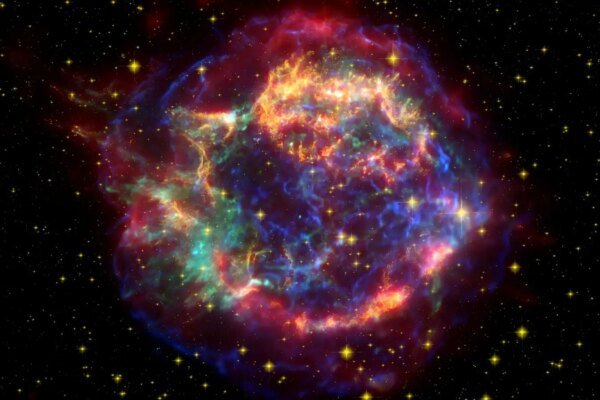
The supernova remnant Cassiopeia A NASA/JPL-Caltech/O. Krause (Steward Observatory) Hidden within Cassiopeia A, the youngest known exploded star in our galaxy, astronomers have found surprisingly high levels of chlorine and potassium. These elements carry an odd number of protons in their atomic nuclei, and though they are thought to be less abundant in the universe,…

Read More

Huge relatives of white sharks lived earlier than thought

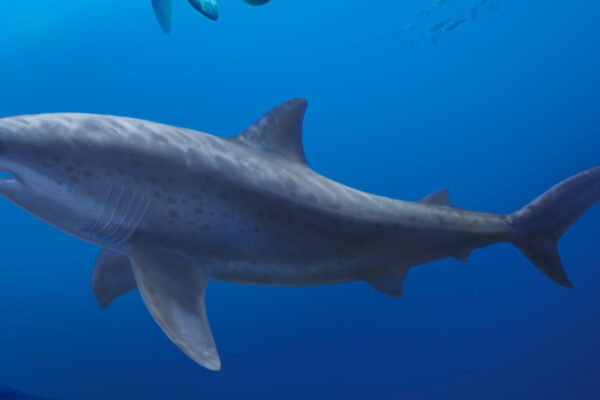
Some 115 million years ago, a veritable fleet of giant predators prowled the waters near Australia. There were long-necked plesiosaurs, snaggletoothed pliosaurs with massive heads, dolphinlike ichthyosaurs, and now — suggests new fossil findings — 8-meter-long sharks.  The findings, published October 25 in Communications Biology, push back the age of the earliest giant lamniform sharks…

Read More

Chernobyl’s Shield Guarding Radioactive “Elephant’s Foot” Has Been Damaged for Months

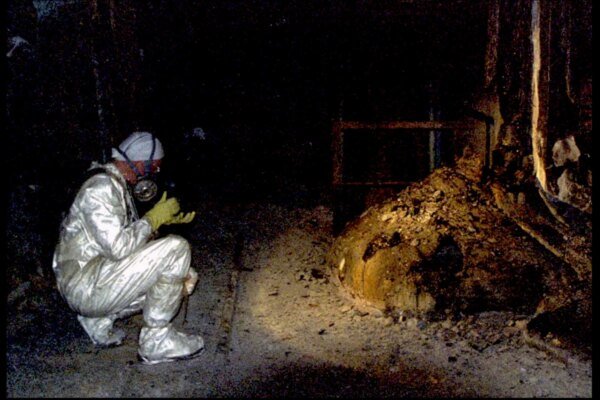
December 8, 2025 1 min read Add Us On GoogleAdd SciAm Chernobyl Nuclear Plant’s Protective Shield Has Been Damaged for Months The site of the world’s worst nuclear disaster remains damaged, but so far, radiation levels outside the plant have not increased, according to officials By Claire Cameron edited by Andrea Thompson The “Elephant’s Foot”…

Read More
Back To Top