What Researchers Are Doing to Protect Christmas Trees in a Warming World

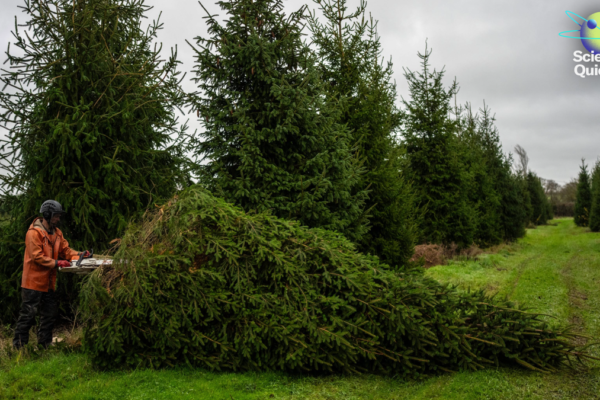
Kendra Pierre-Louis: For Scientific American’s Science Quickly, I’m Kendra Pierre-Louis, in for Rachel Feltman. The Christmas tree feels like a tradition from time immemorial—and in some ways it is. Historians trace the use of evergreens in winter festivals as far back as ancient Egypt and Rome. But the modern American custom has more recent roots:…

Read More

IVF success may depend on how long men abstain from ejaculation

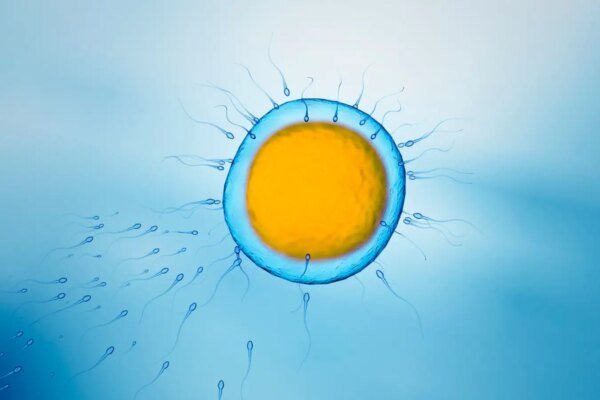
A simple intervention could make a big difference to IVF success CHRISTOPH BURGSTEDT/SCIENCE PHOTO LIBRARY Men should ejaculate less than 48 hours before in vitro fertilisation egg collection to maximise the chances of it leading to an ongoing pregnancy, according to the first clinical trial to test how different ejaculation abstinence intervals affect the success…

Read More

Gene therapy for Huntington’s disease showed great promise in 2025

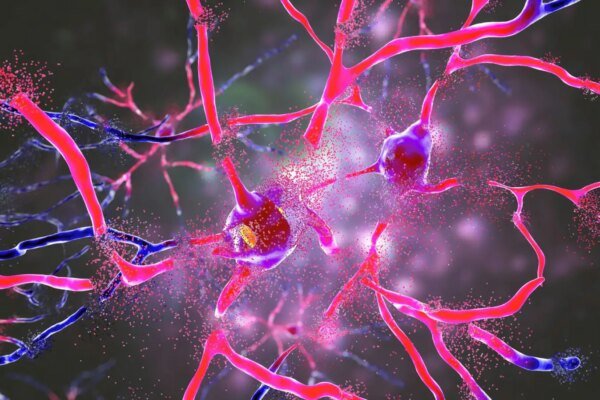
Huntington’s disease gradually kills brain cells, affecting movement, mood and thinking Science Photo Library/Alamy This year marked a pivotal moment in the quest to treat Huntington’s disease, a rare but devastating form of dementia. Scientists found that an experimental gene therapy slowed the condition’s progression – the first time this has ever been achieved. Although…

Read More

Tired of an Old-Fashioned Yule Log Video? Try These Scientific Alternatives Instead

Sure, a crackling yule log in a digital fireplace may be cozy, but it’s been done. This year try one of these science video alternatives to create the perfect holiday ambience in your home. Snow-white Seal Pups On supporting science journalism If you’re enjoying this article, consider supporting our award-winning journalism by subscribing. By purchasing…

Read More

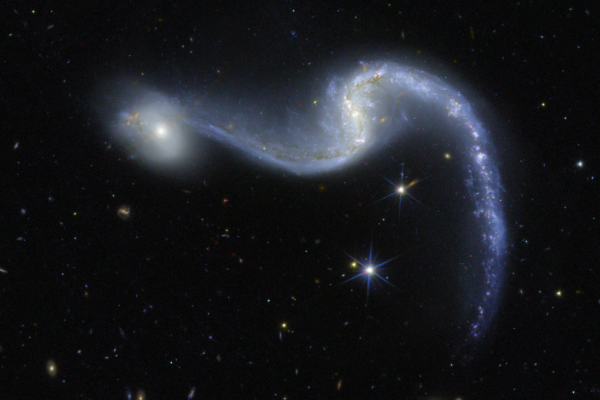
The best space pictures of 2025, from supernovae to moon landings

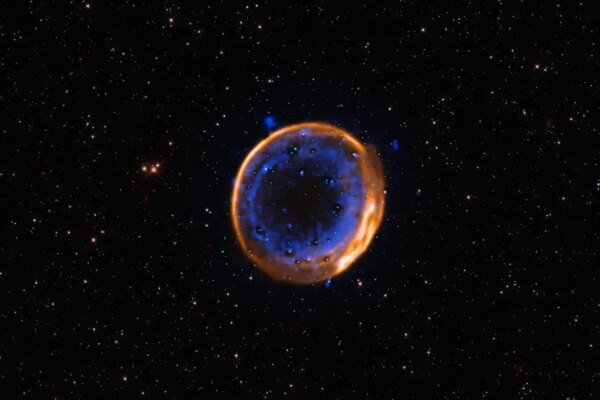
The supernova remnant SNR 0509-67.5 as seen by the European Southern Observatory’s Very Large Telescope ESO/P. Das et al. Background stars (Hubble): K. Noll et al. This two-toned sphere is evidence of a rare double-detonating supernova, captured by the European Southern Observatory’s Very Large Telescope in Chile. Astronomers at the University of New South Wales…

Read More
Back To Top