Orchids don’t always reward their pollinators — sometimes they mislead them. From flowers that mimic insect mates to blooms that smell like rotting fish, orchids have evolved remarkable strategies to ensure their reproductive success. Experts at the U.S. Botanic Garden in Washington, D.C., explain how these botanical deceivers work and why, despite their impressive bag of tricks, many orchid species are currently considered endangered.
Mandana Tadayon: Orchids are among the largest plant families on Earth — often trading the top spot with daisies as new species get discovered.
George Guenther, Advanced Gardener, U. S. Botanic Garden: Orchids are incredibly diverse. There are many thousands of species around the world. They’ve evolved into many different forms and growth habits and flowers and things like that, to facilitate pollination and to adapt to their environments.
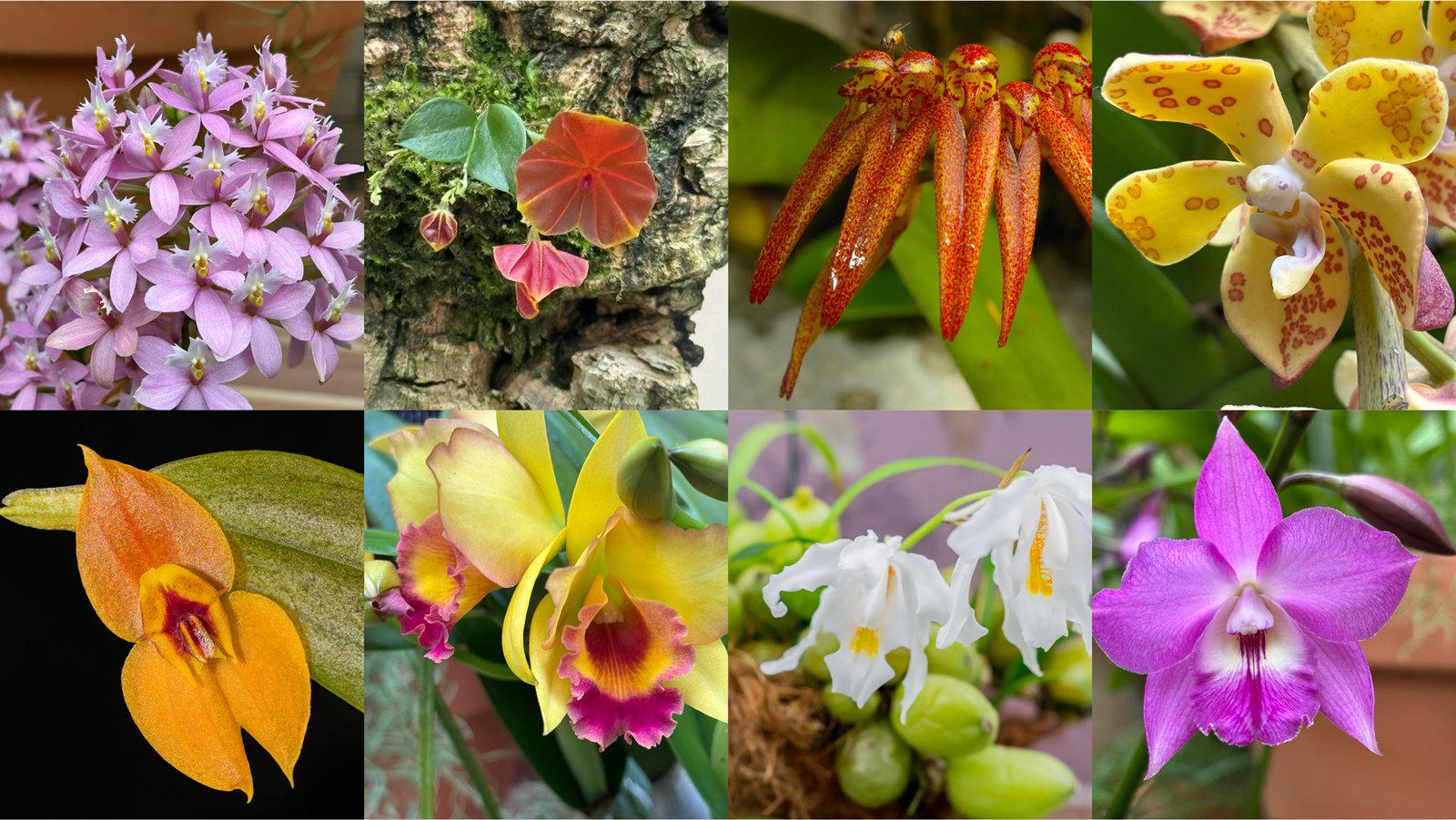
Tadayon: Dubbed ‘masters of deception’ by the experts at the U.S. Botanic Garden in Washington, D.C., the orchids you’re about to see each have a unique trick to lure in pollinators.
#1 Lepanthes, Pollination mechanism: Sexual deception
Guenther: So this case features orchids that are pollinated through sexual deception.
Specifically, the plants that we have on display right now are species of Lepanthes.
Some species of Lepanthes have been observed to be pollinated through pseudocopulation, which means that in many cases, a male fungus gnat — small gnat, visits the flower, thinking it’s a mate.
And in doing so, then transfers the pollen when it interacts directly with the reproductive structures of the flower.
#2 Phragmipedium Pearcei, Pollination mechanism: False trap deception
Guenther: Contrary to popular conception, the pouches on the flowers are not actually traps to consume or catch insects permanently, but they actually serve as part of their pollination mechanism.
They are oftentimes pollinated by insects that visit the flowers, fall into the pouches like a trap, and are unable to fly back out of the pouches. And so what they have to do is crawl out the back of the flower.
And in doing so, they deposit pollen and then pick up pollen from this flower when they leave it. The spots specifically on these flowers are meant to imitate aphids. There are small flies whose larvae would naturally eat aphids, and so the flies visit the flowers to lay their eggs amongst the aphids, and then are deceived into the traps and then have to pollinate the flower on their way out.
#3 Bulbophyllum Picturatum, Pollination mechanism: Rotten-meat scent deception
Guenther: Bulbophyllums have very interesting pollination mechanisms. Many of them use very strong smells to attract things like flies to visit their flowers. They might smell like excrement, rotten meat, rotten fish, things like that that really are good at attracting flies.
And when the flies land on the flowers, they then have a little hinged wiggly lip and that lip sort of trips and flips the fly into the center of the flower, the column, where the reproductive structures are, and then the pollen is thereby transferred to the fly from the Bulbophyllum. So, like this Bulbophyllum in this case here has a fairly strong fish smell. It’s actually even more noticeable on warm, sunny days when you think of like the flies being active.
#4 Coelogyne Cristata, Pollination mechanism: Food deception
Guenther: Members of the group of Coelogyne are sometimes pollinated through food deception. So they have a fragrance, and it attracts bees and wasps and things like that who come in to collect nectar. And sometimes the plants have a little bit of nectar, but they don’t really offer a reward.
They just trick the insect into arriving.
#5 Spathoglottis Kimballiana, Pollination mechanism: Color and scent deception
Guenther: This Spathoglottis actually makes use of bright yellow colors and sweet fragrances to attract pollinators like bees that will then show up hoping for nectar and not actually end up receiving any nectar, but incidentally pollinating the flowers in the process.
And the color is a big part of that. These bright colors, this bright yellow, is part of the attraction. You will oftentimes see bright colors like reds, yellows, pinks and things like that that help with some of that attraction.
#6 Angraecum Comorense, Pollination mechanism: Nocturnal scent deception
Guenther: These orchids are actually a group of orchids that do offer a reward to their pollinators. They’re night fragrant. They typically smell sort of sweet, sometimes like a rose fragrance. And the reason they smell like that is actually to attract moths who will visit them at night.
The moths use their long proboscis to drink nectar from these long nectary spurs at the back of the flower. So you can picture a moth has a little tongue that will unroll all the way to the bottom of there.
There’s a famous related species, Angraecum sesquipedale, that’s known as the Darwin’s orchid. Charles Darwin knew of that species of orchid.
It has a 12-inch-long nectary on it, and Darwin hypothesized that there was a moth with a tongue and proboscis long enough to get to the bottom of that nectary for the reward. But in his lifetime they never discovered the moth. It wasn’t until several decades after he’d passed away that they actually discovered a large hawk moth that visits the flowers at night in Madagascar and pollinates them, validating his theory.
Tadayon: Despite the variety in the orchid flowers around the globe, many species are considered endangered.
Devin Dotson, Senior Communications Specialist, U.S. Botanic Garden: A lot of it is human-caused. One is over-collecting or overharvesting, but a lot of it is habitat loss, right? As things are developed, maybe it’s changed into farming, or it’s made into other human use for housing or other purposes. Habitat is lost. But the other is going to be the changes in climate, right?
I mean, as things change, especially with heat and drought and flooding, those three things especially have a really big effect on plants. So for things like orchids, if it’s in an area that typically would not have had standing water, it wouldn’t have been flooded or inundated or something. And if that’s happening repeatedly, all of a sudden, maybe the orchid can’t survive, because it’s under water a lot.
Or if the temperatures are changing, right, where all of a sudden the summers are even hotter than they’ve been before, potentially the orchid can’t survive in that location anymore. Pests and diseases are also affected by changing weather, because if you don’t have really hard freezes in some places, maybe the pests and diseases don’t die. And so pests and diseases can continue to last all the way through the winter into the spring. You’ve got bigger populations, or they can spread even further because they’re not being knocked out by those really cold freezes in the winter.
Tadayon: So if you’re traveling and spot beautiful orchids in the wild, experts say the best thing to do is leave them where they are. Taking orchids from their natural habitats — or trying to move them across borders — is illegal and puts already vulnerable species at risk. When orchids are confiscated from illegal trade, some end up at the U.S. Botanic Garden, which has served as a plant rescue center for decades. There, seized orchids are cared for, restored to health, and given a second chance to bloom — helping protect these remarkable plants for the future.