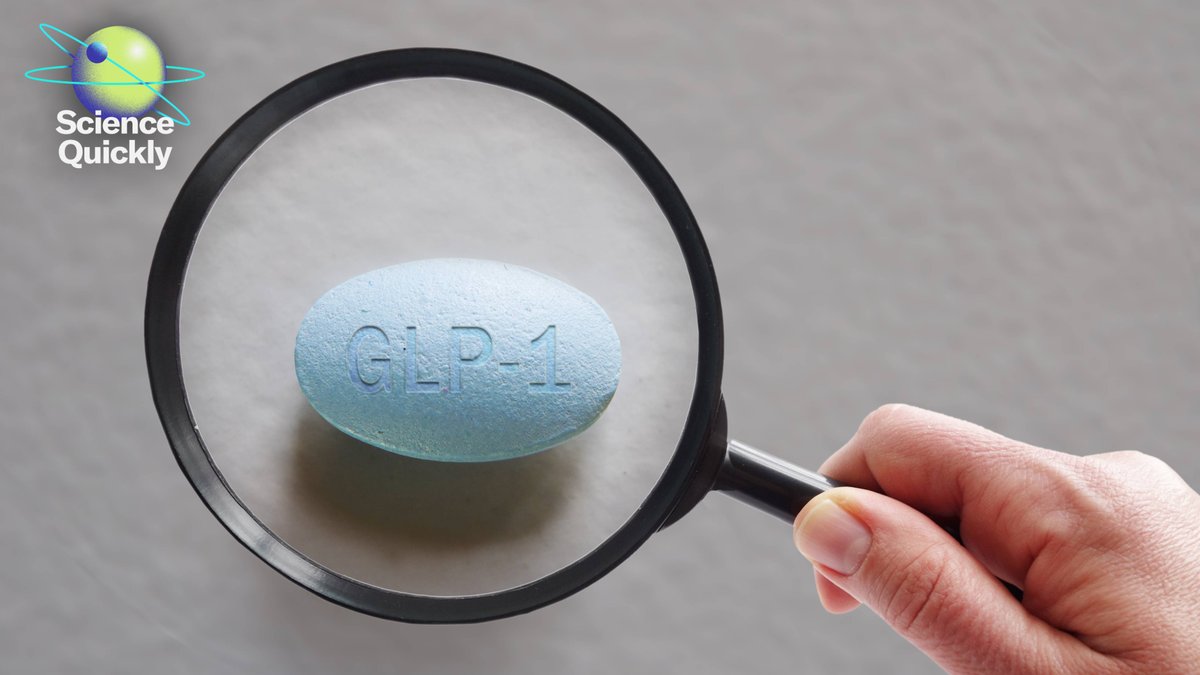
Kendra Pierre-Louis: For Scientific American’s Science Quickly, I’m Kendra Pierre-Louis, in for Rachel Feltman.
In early March the U.S. Food and Drug Administration sent a warning letter to Novo Nordisk, the maker of Ozempic and Wegovy, saying the company had failed to disclose potential risks associated with taking these drugs. The agency alleged that Novo Nordisk failed to properly report and/or follow up on three deaths of individuals who were taking semaglutide, the key ingredient in Ozempic and Wegovy.
The drugs are part of a broader class of medicine known as GLP-1s that have grown wildly popular for everything from type 2 diabetes to weight loss and are increasingly seen as having potential benefits far beyond those two conditions. The popularity of these drugs has led to a sea of GLP-1 offerings flooding the market—not all of them FDA-approved.
On supporting science journalism
If you’re enjoying this article, consider supporting our award-winning journalism by subscribing. By purchasing a subscription you are helping to ensure the future of impactful stories about the discoveries and ideas shaping our world today.
We sat down with Lauren Young, an associate editor covering health and medicine for Scientific American to talk about where GLP-1s go from here.
Pierre-Louis: Thank you for being here, Lauren.
Lauren Young: Thanks so much for having me.
Pierre-Louis: So at a basic level, what is a GLP-1?
Young: Right, so GLP-1 drugs, these are the drugs that you’ve probably heard with those, like, fun advertisement chimes. They’re sold as Wegovy and Ozempic—that is the brand name for the active ingredient semaglutide. And then you’ll probably have also heard of Zepbound and Mounjaro, which are the brand name for tirzepatide. And so these were originally type 2 diabetes treatments, and now they have since moved on to become weight-loss treatments. And the reason why they’re so effective is because they mimic a hormone in the body called GLP-1, glucagonlike peptide 1—fun name.
And so what this hormone does is it, essentially kick-starts insulin production, so that’s why it makes a really great type 2 diabetes medication. But over time researchers also noticed that, “Hey, it looks like people are eating less on this drug.” And they found out that it also influences satiety levels, people feel fuller faster, and you eat less and therefore lose weight. So that’s essentially how the hormone and also the drug works ’cause the drug essentially mimics that hormone.
Pierre-Louis: And my understanding is, is that, in general, in our bodies, GLP-1s are kind of short-acting. But with the drug, they kind of hang out for longer.
Young: Exactly. Yes, yes. So these drug manufacturers have essentially crafted them to withstand and stay in the body longer because there’s enzymes in the body that break down the hormone at much faster rates, so they can last in the body for—stay active, essentially, for about a week.
Pierre-Louis: So there’s been this big kind of tension brewing in recent months about the rise of what we might call imitation GLP-1s, like, the compounded versions. Can you tell me: What is a compounded drug?
Young: Right, so a compounded drug, these are produced by compounded pharmacies. So compounded pharmacies essentially create, like, bespoke medicines for individual clinical use. So people who can’t take an oral medication, for instance, might need that medication transformed into a cream or an IV drip or something like that, or kids, for instance, might need a lower dose. Same with, like, pets and zoo animals, they also sometimes take compounded medications ’cause they, you know, need a specialized recipe for, you know, specific medications.
Pierre-Louis: So, for example, I had an ankle injury a couple years back …
Young: Yeah.
Pierre-Louis: And my doctor prescribed, like, a bespoke anti-inflammatory lotion for me to put on it …
Young: Right.
Pierre-Louis: And that was sent to me by a, a compounder.
Young: Yeah, yeah, that’s a, a perfect example of what a compounded drug is. So these compounded pharmacies do fill an important need. But it’s also important to note that no compounded drug is FDA-approved, so that means they aren’t tested or reviewed for safety or effectiveness.
Pierre-Louis: Can you talk a bit about the role that compounding pharmacies have been playing with GLP-1s?
Young: So the story of the compounded GLP-1s goes back to when these drugs first spiked in popularity for a multitude of reasons. Ozempic, for instance, was being used off-label quite often; a lot of celebrities were using it. And these medications are also originally for diabetes. But then in 2021 [semaglutide] became approved for weight loss.
That essentially exploded the popularity of these drugs, and they went under shortage in 2022. Subsequently, another popular drug, tirzepatide, which is 1773836964 sold as Zepbound and Mounjaro, also went under shortage.
So when a drug goes under shortage, that essentially gives authority to these compounders to start producing them, you know, to fill in these access gaps. So in many ways, these compounding pharmacies filled in a really important void.
Pierre-Louis: But then they stopped being under shortage, but the compounders still kept making them, right?
Young: Yeah, tirzepatide got lifted off of the shortage list in, I think, late 2024, and then semaglutide followed in 2025. And so how do these drugs essentially continue to be compounded? Well, the way that a lot of these companies are getting around it is, one, that they’re allowed to be compounded if people need a specific dosage. So, for instance, the Ozempic and Wegovy pens are prefilled, so if an individual, for instance, needs something higher or lower, these compounders can fill in that gap.
Additionally, a lot of these companies are putting, quote, unquote, “additives” and creating custom versions of these drugs. And these additives are very interesting. Some of ’em are—claim to help with potential muscle loss ’cause that is something that has been noted with the GLP-1 weight-loss drugs. Another thing, too, is these drugs, the GLP-1s, have a lot of nausea and gastrointestinal side effects, so some of these, quote, unquote, “additives” are claiming to help with those effects. None of these additives have been tested for safety or effectiveness. But that’s how they’re getting around still continuing to compound these drugs.
Pierre-Louis: And as a consumer, what’s the benefit of going through a compounder versus, you know, a pharmaceutical company’s official version?
Young: Oftentimes these compounders are selling these drugs at vastly lower market rates than the official brand versions of the drugs, and this is because the active ingredients they’re getting are often cheaper. So that’s one of the primary reasons, is the cost. And then, you know, with people who do need different dosages, that maybe they’re in between the tiers that are designated in these pens. So there are benefits, for sure.
Pierre-Louis: In February, Novo Nordisk, the maker of Ozempic and Wegovy, sued one of the largest sellers of the compounded versions, the telehealth company Hims [&] Hers, and then dropped the lawsuit. Can you talk a bit about the origins of that lawsuit?
Young: Right, so Novo Nordisk essentially sued Hims & Hers because they were saying that, “Hey, you’re mismarketing your compounded GLP-1s as essentially a first go-to drug instead of our drug.” They also were alleging them to be, like, “copycats.” And these drugs under Novo Nordisk and similarly Eli Lilly, they’re still under patent …
Pierre-Louis: Mm-hmm.
Young: So you can’t just create a full copycat medication of these drugs. That was, like, the main impetus of the lawsuit.
Pierre-Louis: But they’ve since dropped it.
Young: Right, yes, they have dropped the lawsuit as of last week.
Pierre-Louis: So, you know, Ozempic [is] technically a diabetes drug, and Wegovy shares the same main ingredient as Ozempic, semaglutide, but at higher doses.
Young: Mm-hmm.
Pierre-Louis: And since 2021, when Wegovy was approved for weight loss, we’ve seen sort of this explosion in GLP-1s—there’s tirzepatide, liraglutide, dulaglutide.
Young: [Laughs.] It’s a game, like, which of these medications are actually a real thing ’cause it’s just fun word scramble all the time. [Laughs.]
Pierre-Louis: And over the past, you know, 15, 20 years, these drugs have been seen as useful for type 2 diabetes and weight loss. There’s growing research that GLP-1s can be useful for other things, like alcohol use disorder.
Young: Mm-hmm.
Pierre-Louis: Can you talk about some of those benefits?
Young: Yeah, there’s been, actually, several studies that have come out on the addiction side of GLP-1s. So it’s interesting because it all stems from kind of a flood of anecdotal reports from people just saying, like, “You know, I’m taking these drugs, and I’m noticing not only are some of my—you know, like, my satiety levels are different; I’m not craving, you know, snacks and food as much. But I’m also not, you know, itching to, like, pick my nails anymore. I’m not craving, like, drinks or alcohol anymore. I’m not craving nicotine anymore.”
And so this really set off, like, a wave of research in the addiction space of, you know, scientists thinking like, “Okay, you know, we know that food reward pathways are overlapped, and we know that, oftentimes, that’s what we see in addiction, too. Maybe there’s something here for a potential treatment.”
Just recently there was a huge study in the [Veterans] Affairs health-care system. They, you know, collected data from, like, over 600,000 veterans …
Pierre-Louis: Mm-hmm.
Young: So, you know, caveating those are mostly white, male, older, you know, individuals, but it was really striking because these are also people with type 2 diabetes, and they were evaluating a variety of different GLP-1 uses. And they noticed that using a GLP-1 essentially cut down the risk of developing a substance use disorder.
And these were all different types of substance use disorders: they looked at cannabis use disorder, opioid use disorder, alcohol use disorder, and not only that—they also looked at people who already had a substance use disorder, and they found there that it cut down things like drug-related mortality by, I think, as much as 50 percent. And that’s an impressive reduction.
And so it’s very attractive to people like addiction researchers. I, you know, spoke to, for instance, a researcher who’s doing opioid-addiction treatment. She’s doing trials right now looking at GLP-1 use, potentially, to offset the use of some of the other treatments that—’cause you have to take an opioid in order to be treated for the disorder, so, you know, maybe coupling it could be appealing. But there’s a lot still to learn, but it’s a really fascinating space, for sure.
Pierre-Louis: Are there other sort of unexpected potential benefits that they’re seeing from these drugs?
Young: We already know that Wegovy, for instance, has been approved for cardiovascular-risk reduction, so we’ve seen that. I’ve been personally really interested in the reproductive-health space. And they’re also finding that the use of GLP-1s might also reduce inflammation, and that’ll—obviously could open up, you know, a variety of different treatments for so many different types of diseases. There’s a lot of interesting different avenues of research going on.
Pierre-Louis: That said, the flip side, you know, these drugs are not a panacea, and we are finding some things that are maybe concerning.
Young: Yeah, so these drugs, while they have been around for decades, more and more people are using them. We really don’t know the long-term ramifications of these drugs. Just recently there was a, a big analysis, and I think that found that GLP-1 drugs were linked to a higher risk of skeletal disorders, so things like osteoporosis.
Pierre-Louis: Mm-hmm.
Young: And we’ve also seen that GLP-1s might be related to a loss in muscle or lean mass. That’s been, like, another big, concerning thing among clinicians ’cause when you think about weight loss, whether it’s through a GLP-1 drug, exercise, diet or something like malnutrition, you’re losing all different, quote, unquote, “types” of weight. So yes, you’re losing fat, but you’re also losing things like muscle and bone mass, and those things are important, especially in older adults, and a lot of older adults have, you know, things like type 2 diabetes. So, you know, there’s a lot of factors to think about here.
There’s another big caveat, too: there’s a lot of people who end up quitting these drugs after about two years …
Pierre-Louis: Mm-hmm.
Young: I think, is around the average they see. So there’s a lot of studies going on of, like, “Okay, what happens to people’s health benefits that you see? Like, those changes in cardiometabolic health are improved when you go on these drugs; how quickly does that revert back?” And there was a study back in January that showed that it actually bounces back, you know, quite fast. There was a, a study that compared weight regain after quitting a GLP-1 drug in comparison to, like, physical exercise or diet …
Pierre-Louis: Mm-hmm.
Young: And they found that quitting a GLP-1 drug, you regain that weight and you lose those health benefits much faster than those other means of weight loss.
And on top of that, I spoke to Rozalina McCoy, who’s a University of Maryland researcher. She’s been super insightful on all of this. And something she pointed out is oftentimes that weight regain …
Pierre-Louis: Mm-hmm.
Young: Particularly after, like, a drug treatment, is gonna be fat instead of muscle mass because, obviously, right, like, maybe with physical exercise, you’re still maintaining those good behaviors a little bit more with exercising more regularly, or same with eating patterns—maybe you’re still kind of, like, eating a little bit better than you were before, even if you fully stop a diet or, like, an intensive training regimen for exercise. So those are some things that researchers are concerned about.
And then the last thing I’ll note, too, is there’s a lot of serious, like, gastrointestinal side effects, and that kind of harkens back to the, you know, people quitting after two years, so.
Pierre-Louis: It really feels like, especially if you’re using these drugs for weight loss, you really should be weighing the pros and cons and really be thinking through the long term, especially within the back of your head, that you might not actually be on these drugs forever.
Young: Yeah, and I mean, that’s how these drugs are also currently being marketed, right? They’re being marketed as—and, truly, you know, prescribed, too—as a lifelong treatment. There are so many questions around access and maintaining treatment if that is truly, like, the most effective way to deliver these drugs, and we still do need those long-term studies. And I’m itching to find out more about this every day, so [Laughs] it’s been a really interesting space to be covering in health right now.
Pierre-Louis: That’s all for today! Tune in on Friday when our associate books editor, Bri Kane, sits down with Andy Weir, the author of the sci-fi novel Project Hail Mary. The book’s Hollywood adaptation, starring Ryan Gosling, hits theaters Friday.
Science Quickly is produced by me, Kendra Pierre-Louis, along with Fonda Mwangi, Sushmita Pathak and Jeff DelViscio. This episode was edited by Alex Sugiura. Shayna Posses and Aaron Shattuck fact-check our show. Our theme music was composed by Dominic Smith. Subscribe to Scientific American for more up-to-date and in-depth science news.
For Scientific American, this is Kendra Pierre-Louis. Have a great week!