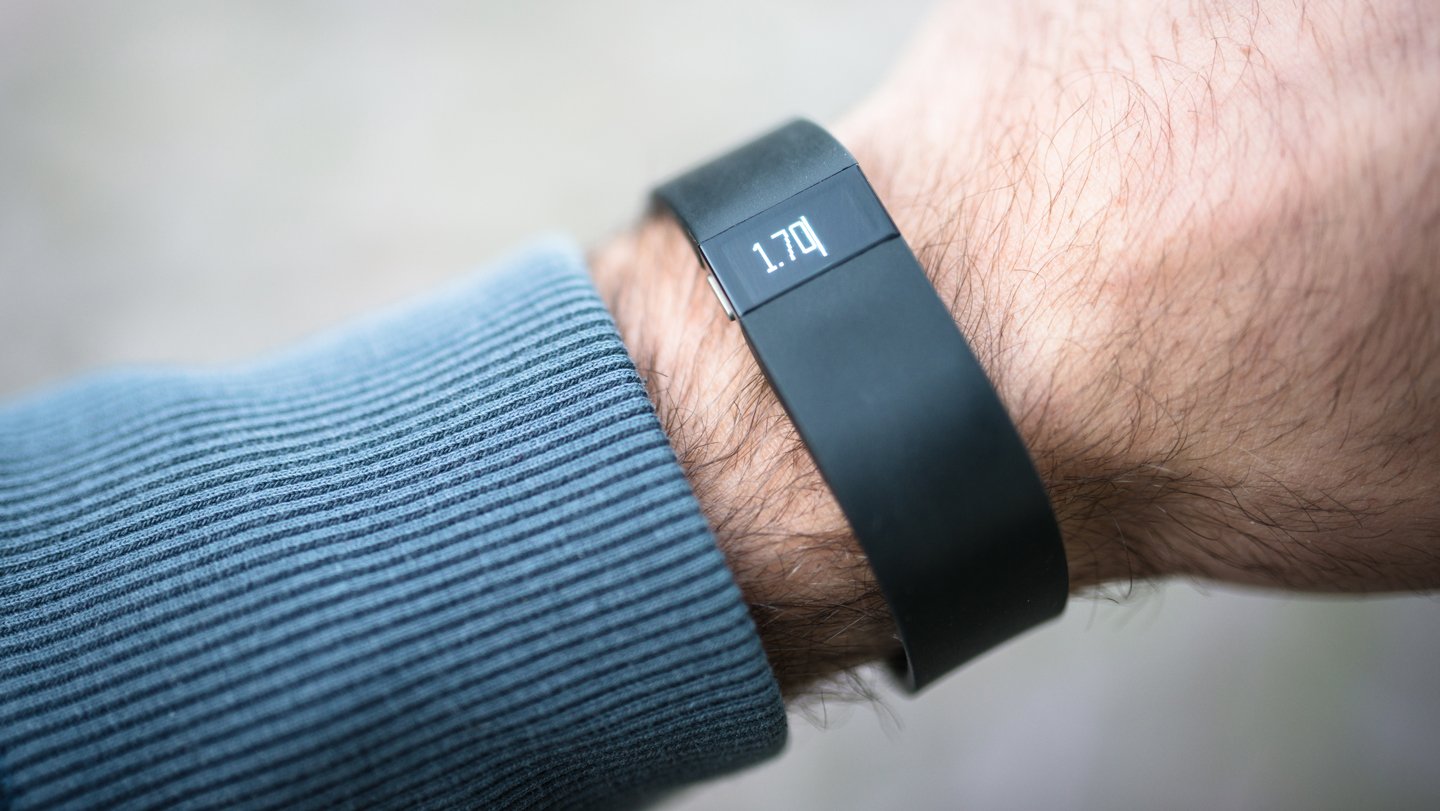
The data your smartwatch already collects could soon help flag an early warning sign for type 2 diabetes.
Hidden in the patterns of heart rate, sleep and daily activity captured by everyday wearables are subtle clues that, when combined with routine health data and analyzed with artificial intelligence (AI), can reveal insulin resistance, researchers report March 16 in Nature.
Roughly 20 percent to 40 percent of U.S. adults are estimated to be living with insulin resistance, which occurs when the body’s cells stop responding properly to the sugar-metabolizing hormone insulin — a key early event in the progression to type 2 diabetes. Most affected individuals are unaware of the condition, however, because diagnosing it typically requires specialized testing that is not part of routine medical care. That means doctors usually detect the problem only after blood sugar levels have already begun to rise, by which point metabolic damage may already be underway.
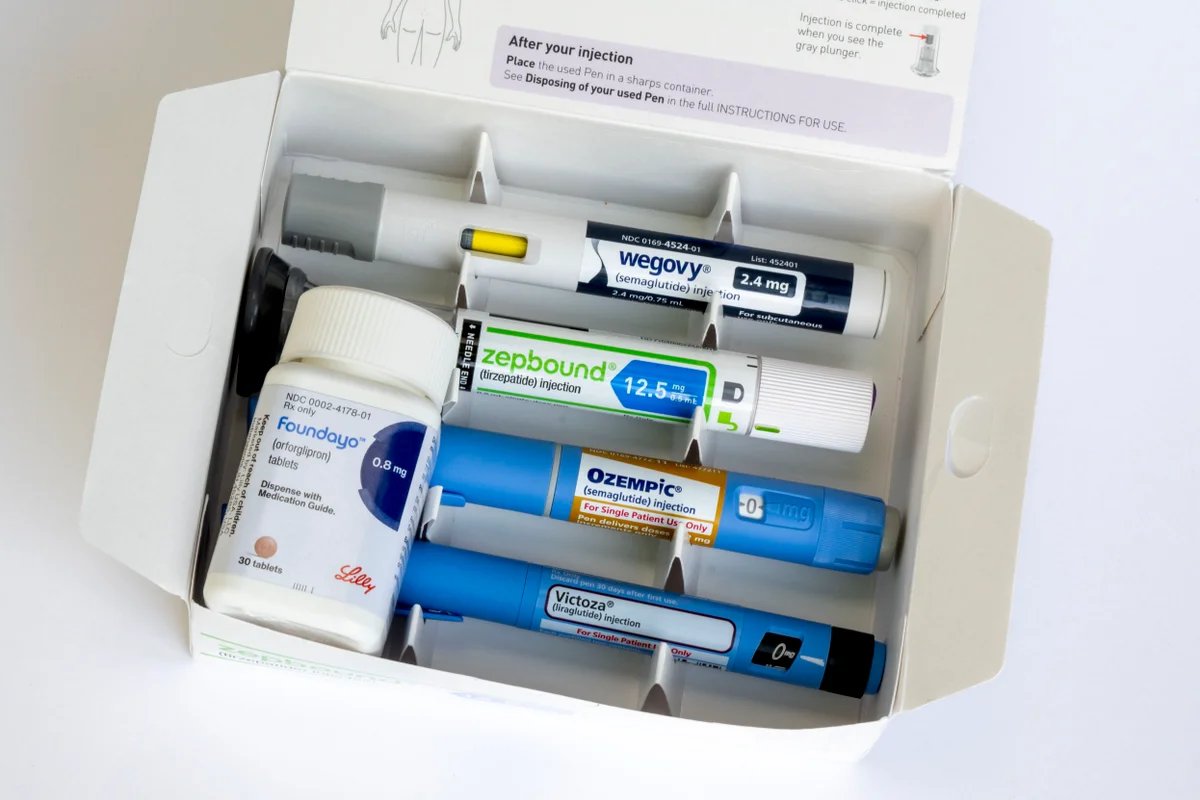
Catching it earlier could open the door to “timely lifestyle interventions,” says David Klonoff, an endocrinologist at the Mills-Peninsula Medical Center in San Mateo, Calif., who leads the non-profit Diabetes Technology Society, and was not involved in the research. These include dietary changes, increased exercise and weight loss, including through the use of blockbuster GLP-1 drugs, which have all been shown to help slow or even reverse the metabolic slide toward disease.
“If we can identify people when they are insulin resistant, we can change the whole trajectory of diabetes,” says Ahmed Metwally, a bioengineer at Google Research in Mountain View, Calif.
Some researchers have proposed using arm-worn sensors to do this instead. Yet, those devices cost hundreds of dollars per month and are mainly used by people who already have diabetes, limiting their usefulness for large-scale screening. Smartwatch-based approaches, by contrast, rely on devices millions of people already wear, says Klonoff.
“This study establishes a scalable method … for early detection of metabolic risk,” he says.
The new system, developed by Metwally and colleagues, draws on smartwatch data collected over tens of millions of hours from 1,165 individuals who wore either Fitbit devices or Pixel watches, both sold by Google or its subsidiaries. Machine-learning algorithms sifted through those data, along with routine lab measurements such as cholesterol tests and demographic factors like age, to detect patterns linked to insulin resistance.
The most predictive factors came from the clinical and demographic inputs, rather than signals from the smartwatch itself. Using only metrics drawn from routine lab tests and basic health data — such as fasting glucose levels, body mass index and blood lipid counts — the Google model could distinguish people with insulin resistance from those without it about 76 percent of the time.
But performance rose to roughly 88 percent with the addition of smartwatch data streams.
Such readings are not perfectly reliable — sleep estimates, for example, are known to vary in accuracy across devices and users — but even these imperfect signals added useful information to the model. Resting heart rate proved especially informative, though daily steps and sleep duration contributed to the predictive power as well.
Ultimately, Metwally imagines a future in which wearable electronics quietly screen millions of people for the earliest signs of metabolic disease. And others in the field see similar promise in the approach.
“This paper makes a compelling case that consumer wearable data contain substantial metabolic information relevant to the prediction of insulin resistance,” says Giorgio Quer, director of Artificial Intelligence at the Scripps Research Translational Institute in La Jolla, Calif., who was not involved in the research.
“The possibility of continuously, longitudinally, and passively monitoring metabolic health through wearables, especially when powered by [AI] models, represents an exciting opportunity toward a more personalized and scalable model of digital medicine,” he says.