Simple measurements don’t always tell the whole story
Lee Charlie/Shutterstock
I consider myself a healthy person. I eat plenty of fruit and veg, am obsessed with fibre, rock climb twice a week and try to squeeze in a lunchtime jog on the days I don’t. But when I recently calculated my body mass index (BMI), which involves dividing a person’s weight by their height squared, I was in for a surprise: I am overweight.
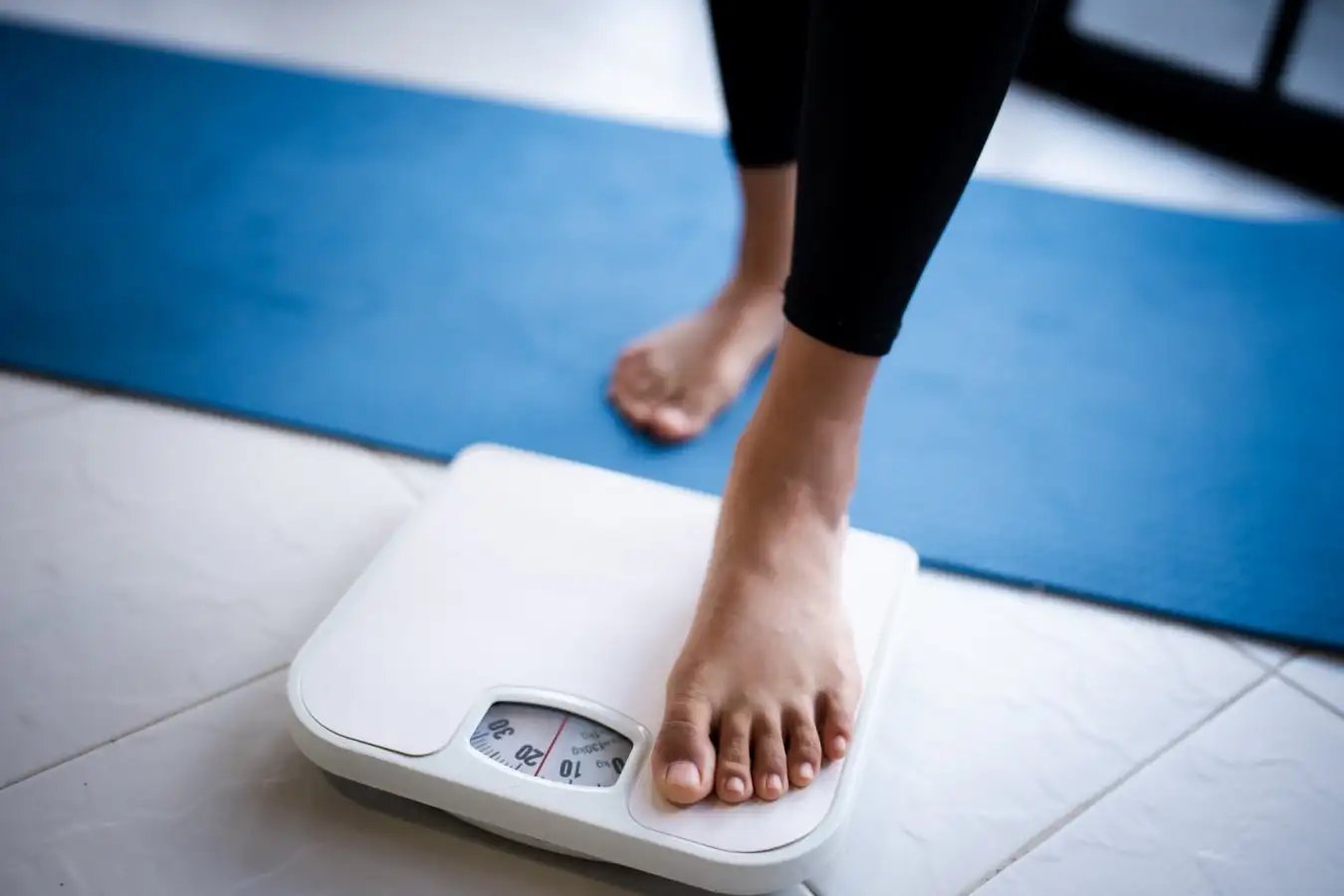
For many of us, such news might ring alarm bells. Especially for anyone like me who has a history – in my early teen years – of being unhealthily preoccupied with where the dial settles on weighing scales. But how worried should we about our BMI, really?
For starters, you should know that the measure was never meant to assess an individual’s health. It wasn’t even created by a doctor or anyone with any kind of medical training, but rather a 19th-century mathematician called Adolphe Quetelet who wanted to track the height and weight of entire populations. No offence to number gurus, but that isn’t exactly a promising origin story for a health metric.
If we fast-forward to the 1970s, the measure began to gain popularity as a fast and cheap way to gauge body fat levels and obesity rates: all it takes is a tape measure and some weighing scales, after all. Then, in 1997, the World Health Organisation – wooed by BMI’s simplicity – rolled it out as a health assessment tool.
In the following years, the measurement became deeply baked into healthcare systems. It now gatekeeps access to dozens of therapies, from knee surgery to GLP1 weight-loss drugs and fertility treatment. In general, if someone’s BMI falls below 18.5, they are classed as underweight; if it is 25 to 29.9, they are overweight, while numbers above 30 mark obesity. The rationale goes that restricting treatments to certain BMI brackets can cut safety risks and maximise success rates.
But there is a big problem. BMI doesn’t distinguish between bone, muscle and fat. That means someone who is super muscly with little body fat might be lumped into the overweight – or even obese – category, despite being physically fit and strong.
I, for one, used to have a “healthy” BMI, but (to my delight) rock climbing has given me actual, palpable arm muscles for the first time in my life – and I suspect this is partly what has pushed me into the overweight group.
In other cases, people with a “healthy” BMI may lack body fat to the point where they stop menstruating, which can cause problems such as fragile bones, heart attacks and infertility. Clearly, that isn’t OK.
And that’s not all. BMI doesn’t account for where fat is stored in the body. But we know that the fat around our abdominal organs, known as visceral fat, raises the risk of many conditions – such as heart disease, high blood pressure and type 2 diabetes – substantially more than that found in the arms, bottom and thighs.
I’m not saying that BMI is completely useless. In some cases, it really is a sign that someone would benefit from medical attention that helps them gain or lose body fat.
But we now have other, much better, ways to gauge body fat levels. For instance, a landmark study found that waist-to-hip ratio, which involves dividing the circumference of the waist by that of the hips, trumps BMI when it comes to predicting someone’s risk of heart attacks. Another showed it was a better predictor of mortality.
There is also the weight-adjusted waist index, where you divide your waist circumference by the square root of your body weight. Similar to the waist-to-hip ratio, this puts more emphasis on that more harmful visceral fat and has been shown to improve upon BMI.
Another alternative is the body roundness index (BRI), which uses height, waist circumference and weight data to measure body shape. Studies have shown that BRI predicts total and visceral fat levels better than BMI, waist or hip measures alone. We also have tools that zap the body with low-voltage electricity, indicating where fat is spread around the body.
So, if you are concerned about your weight, these alternatives are way more informative than calculating your BMI. But personally, I think that, rather than worrying too much about specific numbers, most of us are better off focusing on healthy lifestyle habits like eating plenty of fruit and veggies, maintaining social connections, getting enough sleep and engaging in regular exercise. That’s certainly what I’m going to do!
Topics: