NASA identifies which astronaut triggered the unprecedented medical evacuation of the ISS
This disclosure comes about a month after NASA made the decision to evacuate the four members of Crew-11 from the International Space Station
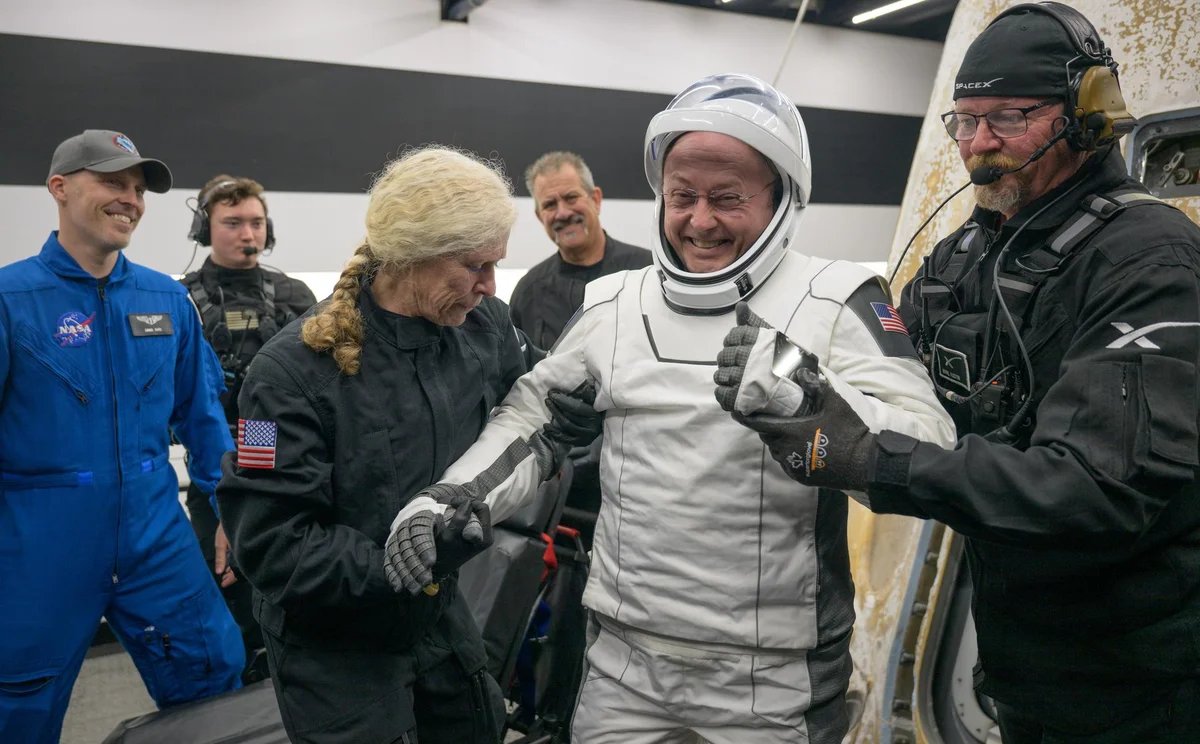
Astronaut Mike Fincke after he and the rest of Crew-11 landed in the Pacific Ocean off the coast of San Diego, Calif., on January 15, 2026.
NASA has shed some light on what triggered the unprecedented medical evacuation of four astronauts from the International Space Station last month.
On Wednesday the space agency identified longtime astronaut Mike Fincke, age 58, as having experienced the medical event that led to the decision to bring him and the other three members of NASA’s Crew-11 mission home weeks ahead of schedule.
“On Jan. 7, while aboard the International Space Station, I experienced a medical event that required immediate attention from my incredible crewmates,” Fincke said in a statement. “Thanks to their quick response and the guidance of our NASA flight surgeons, my status quickly stabilized.”
On supporting science journalism
If you’re enjoying this article, consider supporting our award-winning journalism by subscribing. By purchasing a subscription you are helping to ensure the future of impactful stories about the discoveries and ideas shaping our world today.
Neither NASA nor Fincke has disclosed the exact nature of the medical issue, but the agency ordered the evacuation to allow for “advanced medical imaging not available on the space station,” Fincke said in the same statement.
“I’m doing very well and continuing standard post-flight reconditioning at NASA’s Johnson Space Center in Houston,” Fincke said. “Spaceflight is an incredible privilege, and sometimes it reminds us just how human we are.”
Crew-11—which also included NASA astronaut Zena Cardman, Japan Aerospace Exploration Agency astronaut Kimiya Yui and Russian cosmonaut Oleg Platonov—undocked from the ISS on January 14 and splashed down to Earth on January 15. At a January 21 press conference, Fincke said that the medical incident occurred ahead of a planned space walk and that the space station’s onboard ultrasound machine “came in super handy.”
“We do try to make sure that everybody, before we fly, are really, really not prone to surprises. But sometimes things happen, and surprises happen,” Fincke said in the same press conference.
It’s Time to Stand Up for Science
If you enjoyed this article, I’d like to ask for your support. Scientific American has served as an advocate for science and industry for 180 years, and right now may be the most critical moment in that two-century history.
I’ve been a Scientific American subscriber since I was 12 years old, and it helped shape the way I look at the world. SciAm always educates and delights me, and inspires a sense of awe for our vast, beautiful universe. I hope it does that for you, too.
If you subscribe to Scientific American, you help ensure that our coverage is centered on meaningful research and discovery; that we have the resources to report on the decisions that threaten labs across the U.S.; and that we support both budding and working scientists at a time when the value of science itself too often goes unrecognized.
In return, you get essential news, captivating podcasts, brilliant infographics, can’t-miss newsletters, must-watch videos, challenging games, and the science world’s best writing and reporting. You can even gift someone a subscription.
There has never been a more important time for us to stand up and show why science matters. I hope you’ll support us in that mission.