November 18, 2025
3 min read
Will We Run Out of Rare Earth Elements?
These valuable but difficult-to-extract metals are increasingly important to modern life
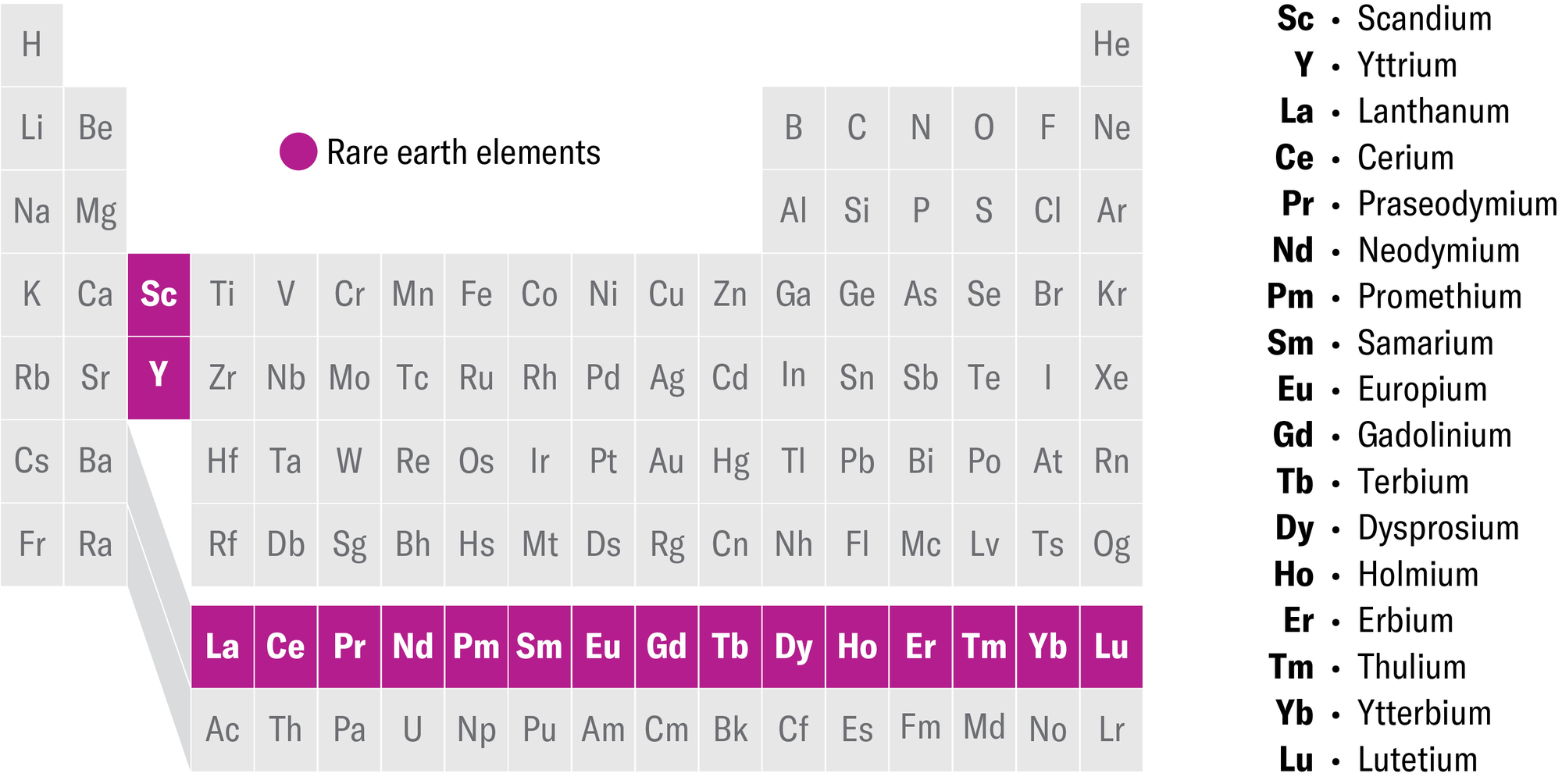
Seventeen elements of the periodic table have taken on outsize importance because of their use in smartphones, electric vehicles, medical devices, and other technologies. They’re valued for their special chemistry, which gives them particular magnetic properties and other advantages. These traits come from the unique configuration of the elements’ valence electrons—the outer electrons commonly used in chemical bonds. In the rare earth elements, some of the valence electrons stay close to the atomic nucleus and tend not to interact with the atoms’ outside environment, and so they rarely form bonds. The result is that they have predictable, dependable chemical properties.
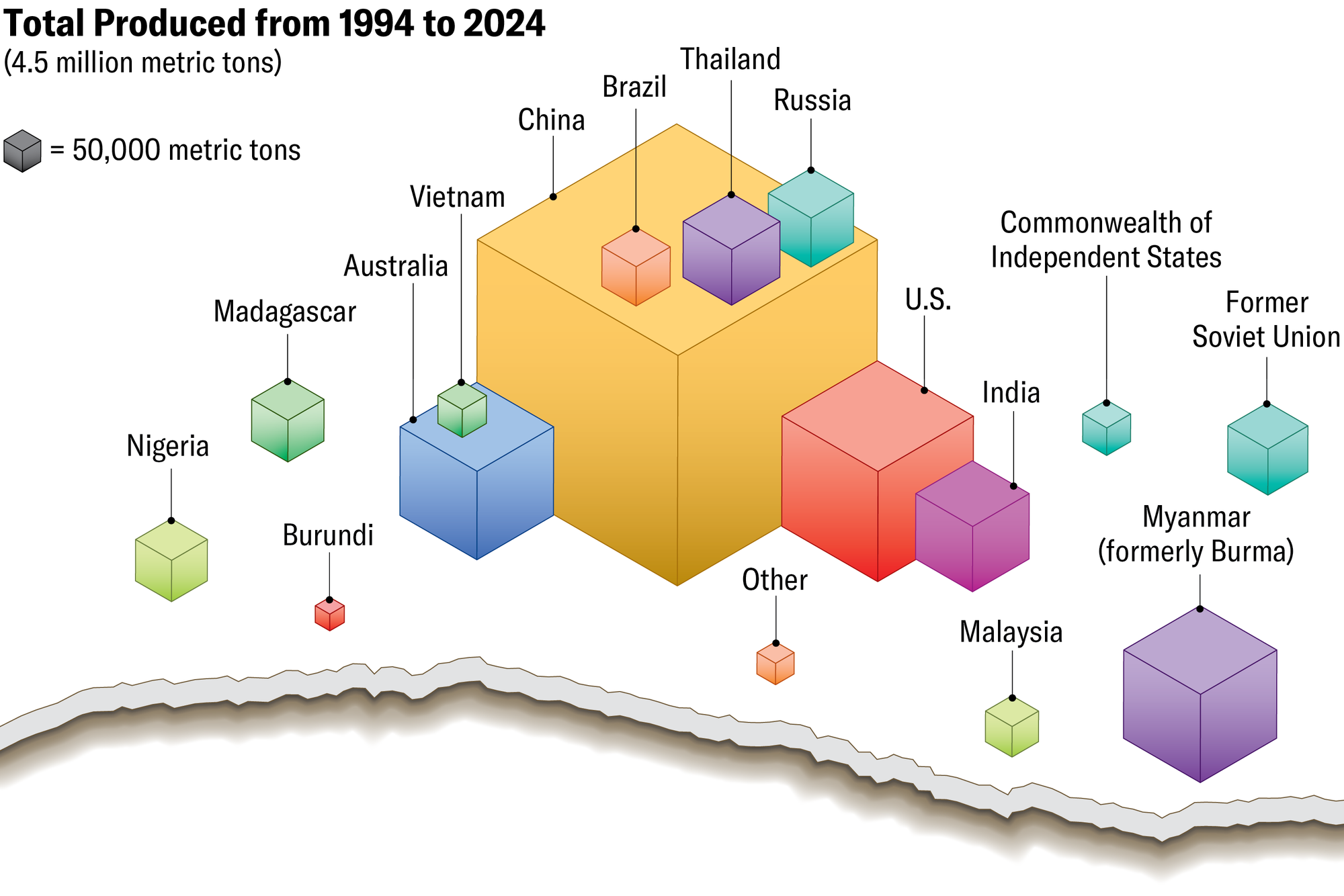
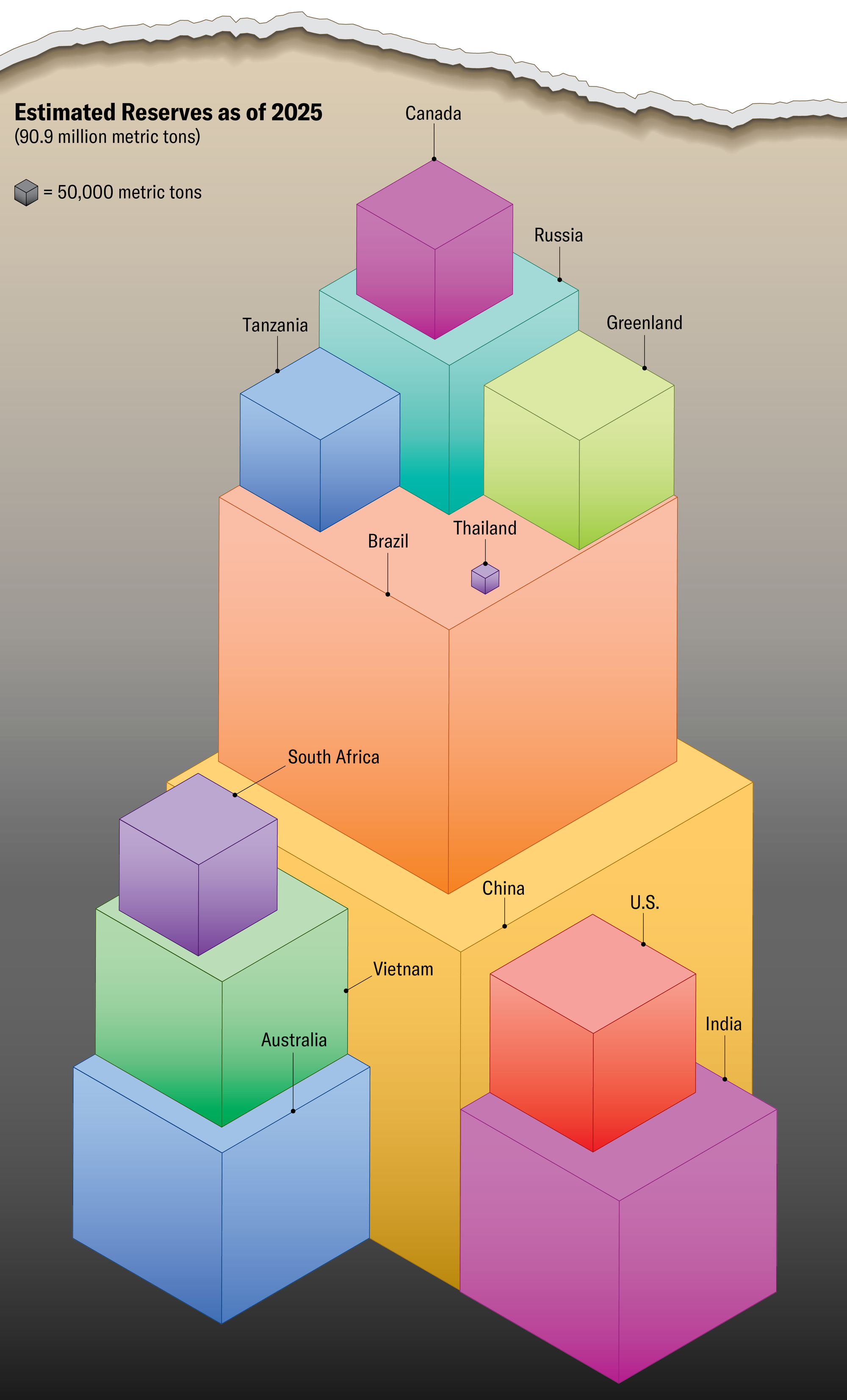
Humans have mined about 4.5 million metric tons of rare earth elements so far, and we know of only 90.9 million metric tons left on Earth. At today’s production rates, we will run out of these materials in 60 to 100 years. Efforts are underway, however, to find more deposits of the metals, which aren’t actually especially rare but are difficult to extract because they are usually found in low concentrations along with other elements.
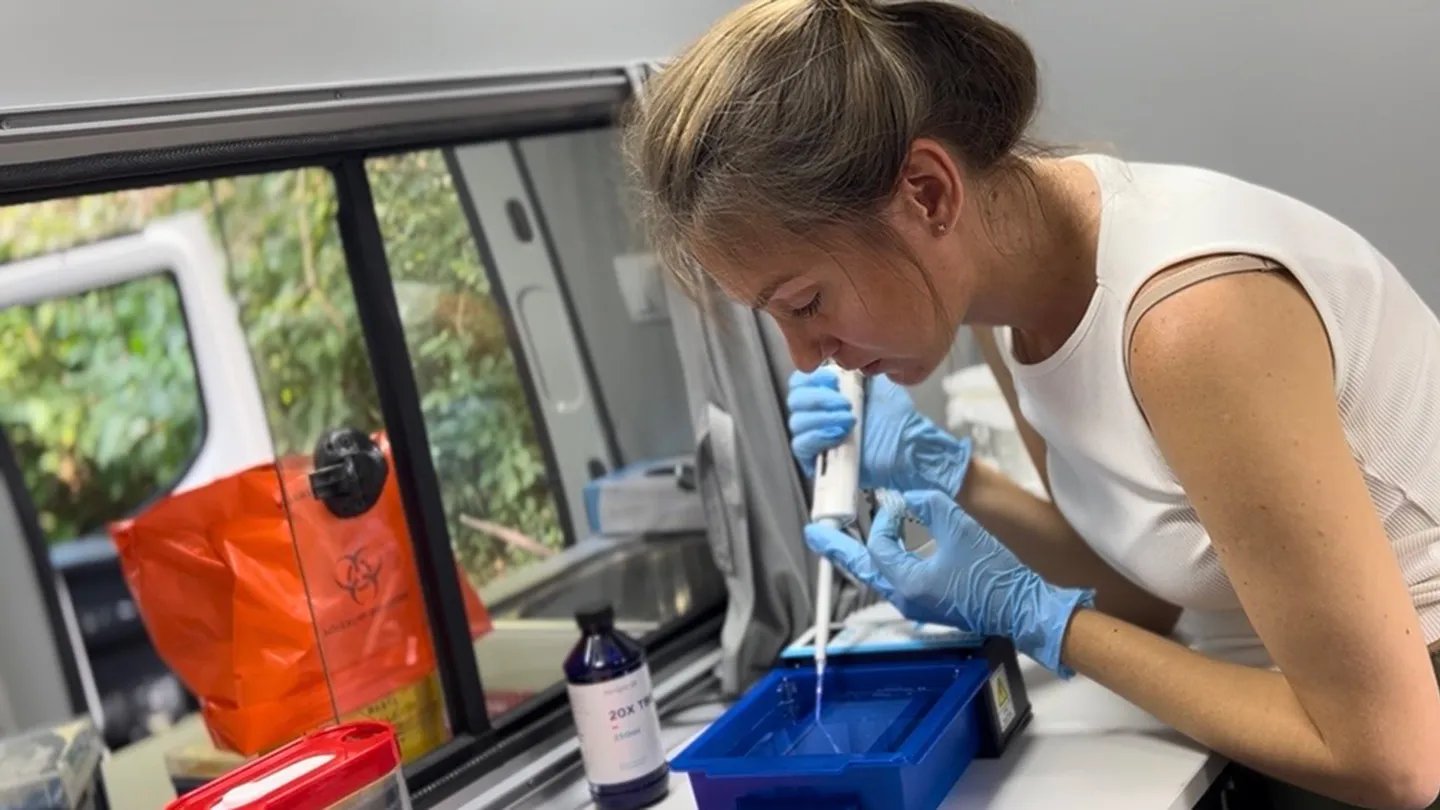
Current mining methods are slow, energy-intensive and highly damaging to the environment. They generate acidic and radioactive waste, and they leach toxic chemicals into the ground. “We have to figure out ways to do it better and cleaner,” says Justin Wilson, a chemistry professor at the University of California, Santa Barbara. He and his colleagues recently tested a new way to extract rare earth elements from recycled electronic waste. “I’m optimistic that we can collectively find solutions to these problems as long as the federal government remains committed to providing funding for this research,” Wilson notes.
On supporting science journalism
If you’re enjoying this article, consider supporting our award-winning journalism by subscribing. By purchasing a subscription you are helping to ensure the future of impactful stories about the discoveries and ideas shaping our world today.
WHAT ARE THE RARE EARTH ELEMENTS?
These chemicals are mostly the lanthanides, which occupy the second-to-last row of the periodic table, along with scandium and yttrium. Their unique properties arise largely from the configuration of the electrons in a sublevel called the 4f shell. “When I took freshman chemistry, no one ever talked about these elements; they were just the ones at the bottom of the periodic table,” Wilson says. Now their use in electronics “has put them in the spotlight.”
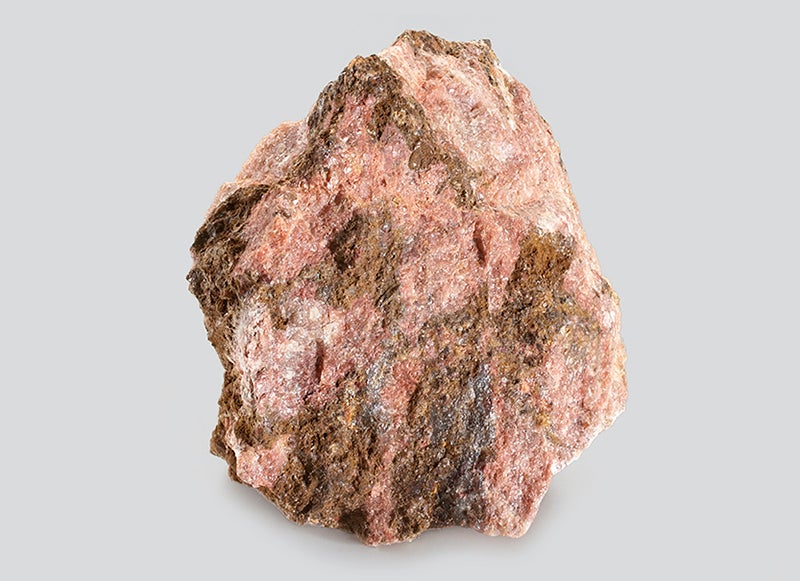
Bastnaesite is the most frequently mined rare earth ore. It contains relatively high levels of the elements lanthanum, cerium and neodymium.
Science Photo Library/Science Source
HOW MUCH HAS ALREADY BEEN MINED?
Most of the rare earth elements mined so far have come from China, which leads the world in the infrastructure and expertise to extract these minerals. The major U.S. source is the Mountain Pass deposit in southern California. Given the surging demand for the elements, however, countries around the world are actively looking for new stores of them.
Studio Terp; Source: U.S. Geological Survey Mineral Commodity Summaries, 1996–2025 (data)
HOW MUCH IS LEFT?
China, too, has the largest known global reserve of rare earth elements, followed by Brazil, India and Australia. Given the race to discover new deposits, these figures could change. Many countries that had been content to let China lead in rare earth–resource mining before the recent tech boom are increasingly recognizing the importance of local options. This has been especially true in the U.S. since President Donald Trump imposed new tariffs on imports.
Studio Terp; Source: U.S. Geological Survey Mineral Commodity Summy, 2025 (data)
IT SEEMS LIKE THERE’S A LOT LEFT. SO WHAT IS THE PROBLEM?
Rare earth elements are actually more abundant than precious metals such as platinum and gold. The challenge, however, is finding minable sources of them; they are often present in small amounts and difficult to separate from other elements. Extracting them is a laborious, multistep process.
-
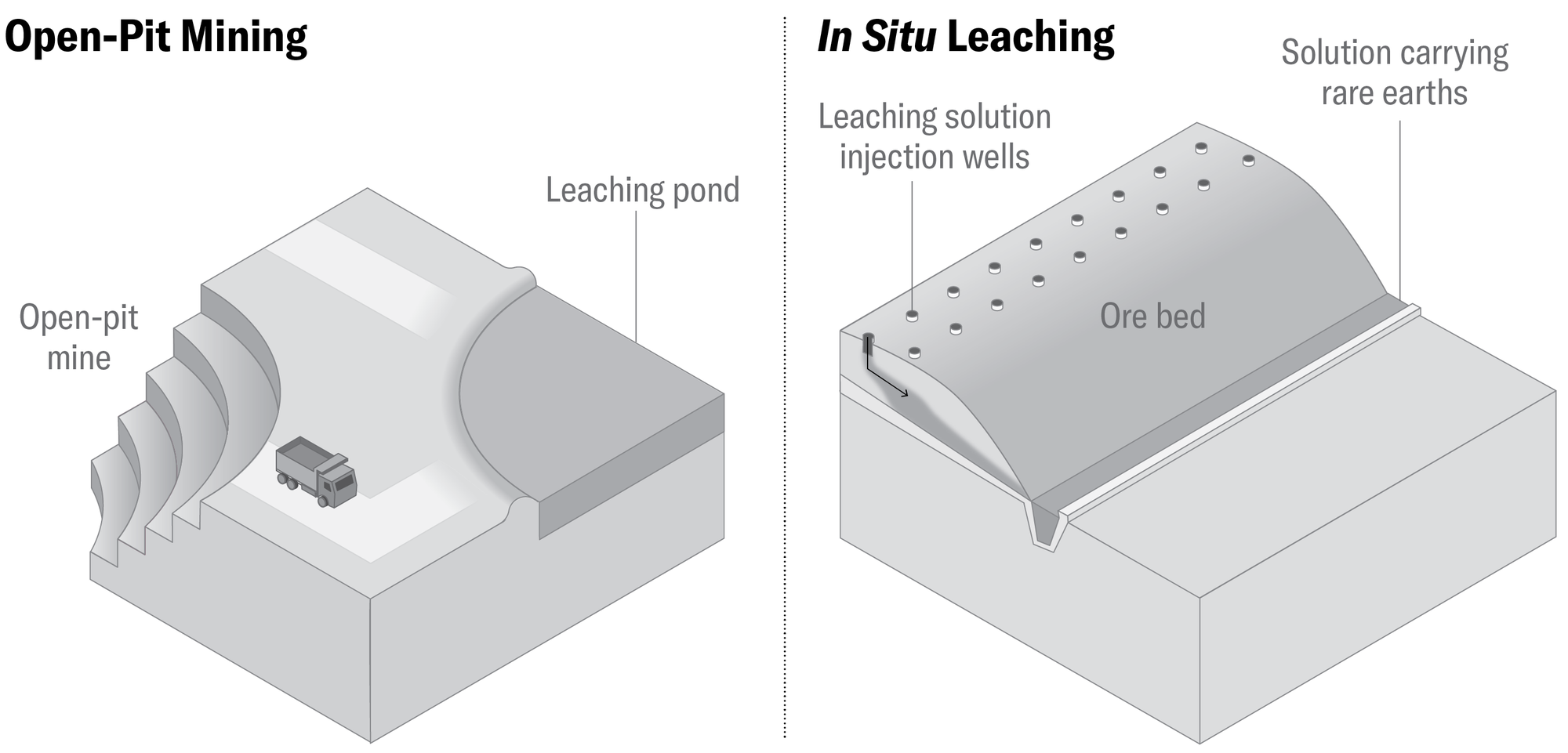
Open-Pit Mining Approach: This technique involves removing ore from the ground, then transporting it to a leaching pond, where chemicals separate out the different metals. ENVIRONMENTAL IMPACT: The toxic chemicals in the leaching pond can leak into groundwater and contaminate water supplies. The process also produces toxic waste.
-
In Situ Leaching Approach: In this method, pipes pump chemicals directly into the ground to flush out rare earth elements. ENVIRONMENTAL IMPACT: The chemicals are toxic and, as with open-pit mining, can contaminate groundwater. Both methods produce toxic dust, waste gas and radioactive waste.
SEPARATION
After the initial process, the mining products are transported to processing facilities for a series of chemical treatments that isolate individual rare earth elements. These elements are then refined into metals and prepared for use. ENVIRONMENTAL IMPACT: This process is energy- and resource-intensive. And the overall extraction sequence creates a huge amount of waste: for every ton of rare earth elements produced, thousands of metric tons of toxic by-products result.
It’s Time to Stand Up for Science
If you enjoyed this article, I’d like to ask for your support. Scientific American has served as an advocate for science and industry for 180 years, and right now may be the most critical moment in that two-century history.
I’ve been a Scientific American subscriber since I was 12 years old, and it helped shape the way I look at the world. SciAm always educates and delights me, and inspires a sense of awe for our vast, beautiful universe. I hope it does that for you, too.
If you subscribe to Scientific American, you help ensure that our coverage is centered on meaningful research and discovery; that we have the resources to report on the decisions that threaten labs across the U.S.; and that we support both budding and working scientists at a time when the value of science itself too often goes unrecognized.
In return, you get essential news, captivating podcasts, brilliant infographics, can’t-miss newsletters, must-watch videos, challenging games, and the science world’s best writing and reporting. You can even gift someone a subscription.
There has never been a more important time for us to stand up and show why science matters. I hope you’ll support us in that mission.