
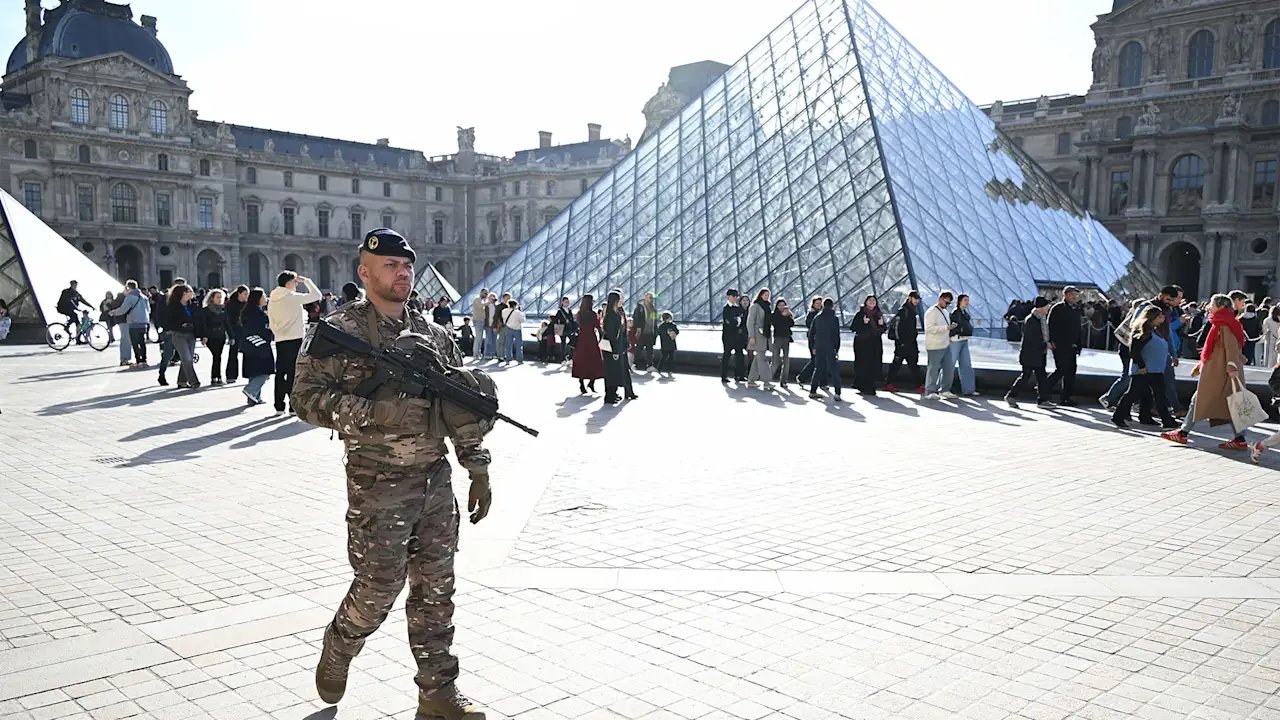
Museums around the world are grappling with how to remain inviting to the public while also securing art.
The day after the jewelry heist at the Louvre in Paris, officials from across Washington’s world-famous museums were already talking, assessing and planning how to bolster their own security.
“We went over a review of the incident,” said Doug Beaver, security specialist at the National Museum of Women in the Arts, who said he participated in Zoom talks with nearby institutions including the Smithsonian and the National Gallery of Art. “Then we developed a game plan on that second day out, and started putting things in place on Days 3, 4 and 5.”
Similar conversations are happening at museums across the globe, as those tasked with securing art ask: “Could that happen here?” One California museum knows the answer is yes—police are investigating the theft of more than 1,000 items just before the Louvre heist.
At the same time, many were acknowledging the inherent, even painful tension in their task: Museums are meant to help people engage with art—not to distance them from it.
“The biggest thing in museums is the visitor experience,” Beaver said. “We want visitors to come back. We don’t want them to feel as though they’re in a fortress or a restrictive environment.”
It’s an issue many are grappling with—most of all, of course, the Louvre, whose director, Laurence des Cars, has acknowledged “a terrible failure” of security measures.
It was crystallized in a letter of support for the Louvre and its beleaguered leader, from 57 museums across the globe. “Museums are places of transmission and wonder,” said the letter, which appeared in Le Monde. “Museums are not strongholds nor are they secret vaults.” It said the very essence of museums “lies in their openness and accessibility.”


