Trump urged pregnant women multiple times at a White House news conference: ‘Don’t take Tylenol.’
President Donald Trump on Monday used the platform of the presidency to promote unproven and in some cases discredited ties between Tylenol, vaccines and autism as his administration announced a wide-ranging effort to study the causes of the complex brain disorder.
“Don’t take Tylenol,” Trump instructed pregnant women around a dozen times during the unwieldy White House news conference, also urging mothers not to give their infants the drug, known by the generic name acetaminophen in the U.S. or paracetamol in most other countries. He also fueled long-debunked claims that ingredients in vaccines or timing shots close together could contribute to rising rates of autism in the U.S., without providing any medical evidence.
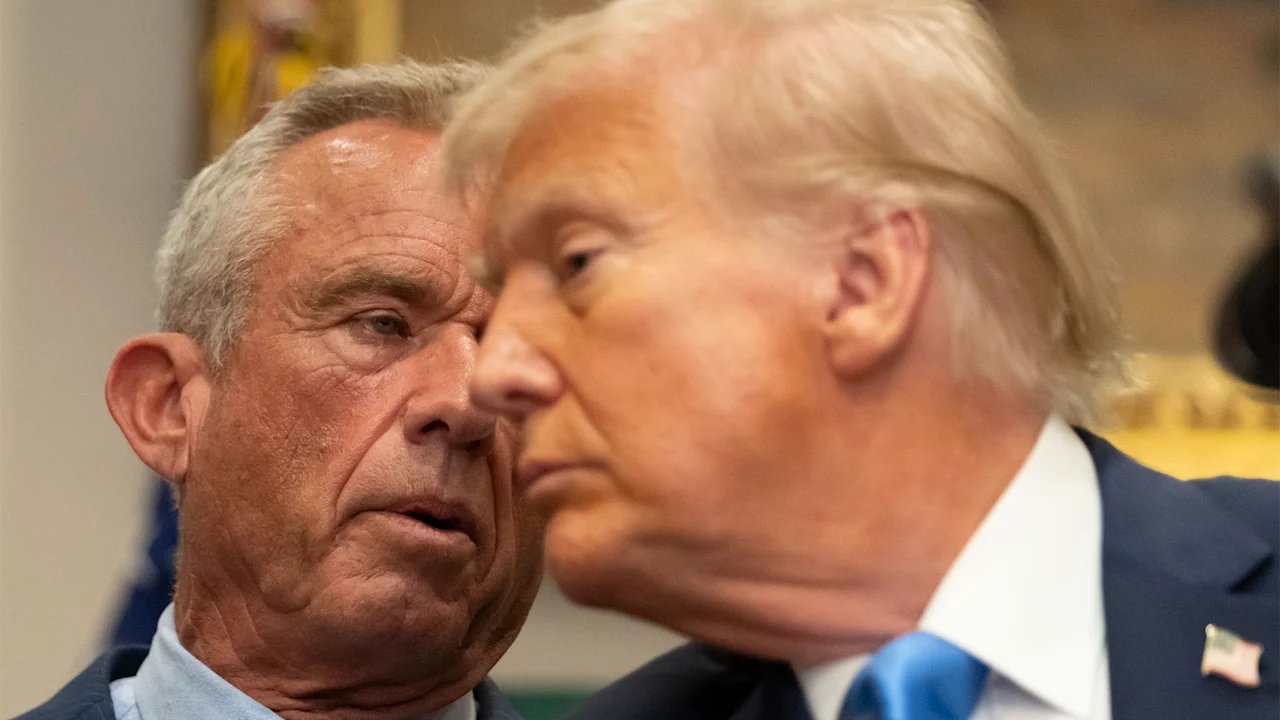
The rambling announcement, which appeared to rely on existing studies rather than significant new research, comes as the Make America Healthy Again movement has been pushing for answers on the causes of autism. The diverse coalition of supporters of Health Secretary Robert Kennedy Jr. includes several anti-vaccine activists who have long spread debunked claims that immunizations are responsible.
The announcement also sheds light on Trump’s own long-held fascination with autism and his trepidation about the childhood vaccine schedule, even as the president has taken pride in his work to disseminate COVID-19 vaccines during his first term.
Medical experts said Trump’s remarks were irresponsible. New York University bioethicist Art Caplan said it was “the saddest display of a lack of evidence, rumors, recycling old myths, lousy advice, outright lies, and dangerous advice I have ever witnessed by anyone in authority.”
Trump announced during the event that the Food and Drug Administration would begin notifying doctors that the use of acetaminophen “can be associated” with an increased risk of autism, but did not immediately provide justification for the new recommendation.
Evidence for potential link between Tylenol and autism is not conclusive
Some studies have raised the possibility that taking acetaminophen during pregnancy might increase the risk of autism — but many others haven’t found that concern, said autism expert David Mandell of the University of Pennsylvania.
One challenge is that it’s hard to disentangle the effects of Tylenol use from the effects of high fevers during pregnancy. Fevers, especially in the first trimester, can increase the risk for miscarriages, preterm birth and other problems, according to the Society for Maternal-Fetal Medicine.
Trump also urged not giving Tylenol to young children, but scientists say that research indicates autism develops in the fetal brain.
Responding to Trump’s warnings, the Society for Maternal-Fetal Medicine said they still recommend Tylenol as an appropriate option to treat fever and pain during pregnancy. The president of the American College of Obstetricians and Gynecologists said Monday that suggestions that Tylenol use in pregnancy causes autism are “irresponsible when considering the harmful and confusing message they send to pregnant patients.”
Trump press secretary Karoline Leavitt said in a statement Monday evening that the administration “does not believe popping more pills is always the answer for better health” and that it “will not be deterred in these efforts as we know millions across America are grateful.”
Tylenol maker Kenvue disputed any link between the drug and autism on Monday and said in a statement that if pregnant mothers don’t use Tylenol when in need, they could face a dangerous choice between suffering fevers or using riskier painkiller alternatives. Shares of Kenvue Inc. fell 7.5% in trading Monday, reducing the company’s market value by about $2.6 billion.
Kennedy announced during the news conference that at Trump’s urging, he was launching a new all-agency effort to uncover all the factors that could be contributing to autism, a question scientists have been researching for decades.