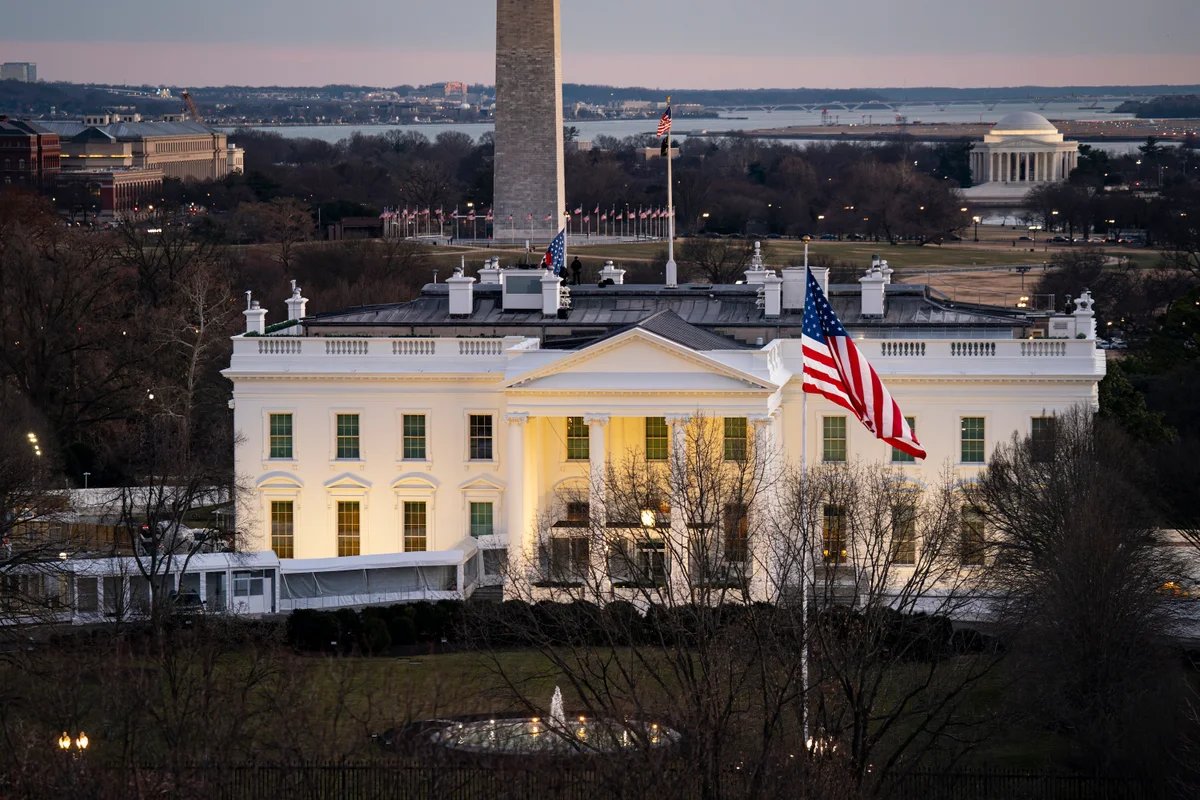
The White House on Wednesday moved to strip civil service protections from about 8,000 federal workers, including many working at public health agencies.
The executive order effectively transforms these positions—which include “epidemiologist”, “health scientist” and “toxicologist” jobs—into “at-will” positions—meaning they can be readily fired without cause. The job category, initially called Schedule F and now called Schedule Policy/Career, strips these federal workers of protections meant to prevent political interference.
According to the order, “policy-influencing positions” must be transferred to the new status, thereby “ensuring that such employees can be removed for misconduct or poor performance is essential to protecting democratic self-government by an elected President.” The move reflects President Donald Trump’s long-standing complaint of a “deep state” of federal workers resistant to his policies, and he has for years called for the schedule change in order to fire civil servants he views as impediments to his policies.
On supporting science journalism
If you’re enjoying this article, consider supporting our award-winning journalism by subscribing. By purchasing a subscription you are helping to ensure the future of impactful stories about the discoveries and ideas shaping our world today.
The move already faces at least three legal challenges from federal employees. Notably, these jobs include positions that don’t involve policy work, such as “human resources officer”, “customer experience specialist” and “data management specialist”, as well as for some scientist roles. The administration also instituted a political loyalty questionnaire for new federal hires in 2025. U.S. Office of Personnel Management official Scott Kupor said on Wednesday that the new directive would not lead to a political “litmus test” for civil servants, according to Government Executive.
“Just what I wanted for health scientists at the Agency for Toxic Substances and Disease Registry, fewer employment protections!,” legal writer Chris Geidner posted on BlueSky. Mark Histed, a National Institutes of Health neuroscientist who has been critical of the administration, also voiced concern, posting on social media that certain jobs at science agencies such as officials overseeing peer review of scientific grant proposals may be affected by the order.
Editor’s Note (6/3/2026): This story is in development and may be updated.
It’s Time to Stand Up for Science
If you enjoyed this article, I’d like to ask for your support. Scientific American has served as an advocate for science and industry for 180 years, and right now may be the most critical moment in that two-century history.
I’ve been a Scientific American subscriber since I was 12 years old, and it helped shape the way I look at the world. SciAm always educates and delights me, and inspires a sense of awe for our vast, beautiful universe. I hope it does that for you, too.
If you subscribe to Scientific American, you help ensure that our coverage is centered on meaningful research and discovery; that we have the resources to report on the decisions that threaten labs across the U.S.; and that we support both budding and working scientists at a time when the value of science itself too often goes unrecognized.
In return, you get essential news, captivating podcasts, brilliant infographics, can’t-miss newsletters, must-watch videos, challenging games, and the science world’s best writing and reporting. You can even gift someone a subscription.
There has never been a more important time for us to stand up and show why science matters. I hope you’ll support us in that mission.