Bangkok, Thailand – On paper, it was registered as a nail salon.
In reality, it was allegedly a front for an adult content business run by an Israeli woman through the subscription-based website OnlyFans.
Recommended Stories
list of 4 itemsend of list
The woman’s company in the southern province of Krabi was just one of nearly 500 businesses – ranging from beauty salons to cannabis farms – that Thai authorities say were registered by a single accounting firm.
All of the companies were linked to foreigners who had falsely listed a Thai “nominee” as the majority owner to get around the law on foreign ownership, according to authorities.
Under the Foreign Business Act, noncitizens are generally prohibited from holding more than a 49 percent stake in local businesses.
To get around the rule, some foreign entrepreneurs pay locals to fill out paperwork stating that they own at least 51 percent of their company despite having little or no involvement in the business.
After years of turning a blind eye to the dubious use of Thai nominees, authorities are now cracking down and demanding proof that citizens listed as local partners have real holdings in the firms they are registered to.
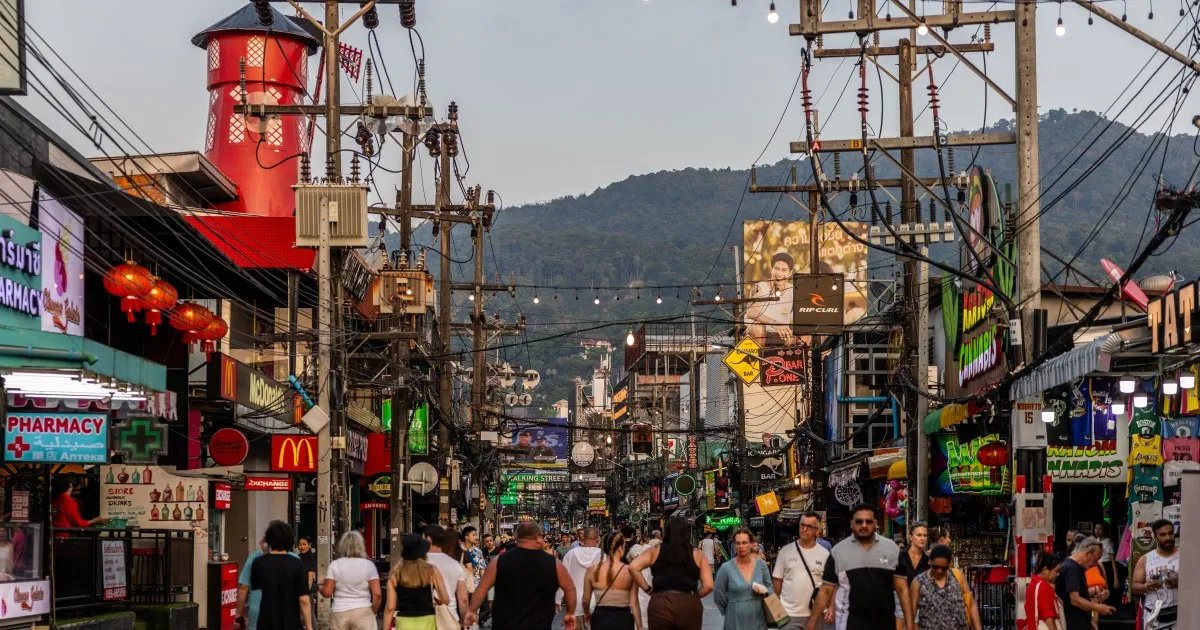
After launching a wave of inspections across popular tourist areas and cross-checking official databases using artificial intelligence, the government has identified 50,000 foreign-linked companies for greater scrutiny.
Legal firms say they are being inundated with inquiries from foreign businesses and property owners who fear their assets could be frozen or seized if they are found to be part of illicit nominee schemes.
“All of them fear losing their investment and being charged with a criminal case,” Brian Ramsden, general manager of foreign affairs at Lawyers for Expats Thailand, told Al Jazeera.
“It’s always the same excuse: ‘We knew it was illegal, but the lawyers told us it’s OK,’” Ramsden said, explaining that his firm has been getting more than 100 calls a day, “asking us what to do”.
“If the company is not trading, it’s a red flag,” Ramsden added.
Thai Prime Minister Anutin Charnvirakul has been among those leading the charge against fraudulently registered companies.
On a tour of popular tourist areas in southern Thailand last month, Anutin pledged to throw the book at illegal businesses and take down any criminal organisations using shell companies, a matter of growing concern amid the proliferation of cyber-scam networks in Southeast Asia.
“In cases where … one person holds shares and owns over 200 companies, it is essentially selling companies, selling shells so that foreigners can go and conduct business,” he said.
“This violates the legislative intent of the law, and it is believed that we will be able to prosecute in this regard.”
On resort islands Koh Samui and Koh Phangnan alone, about 70 percent of the 16,800 “registered legal entities” are part-owned by foreigners, the Ministry of Commerce said following an audit last month, though it added that their foreign links did not necessarily mean they were breaking the law.
Foreign suspects arrested
Last week, authorities said they had referred 28 foreign suspects to prosecutors following an investigation into fraudulently registered firms in the provinces of Phuket and Surat Thani.
The arrests came after authorities in Koh Phangan had earlier announced the confiscation of 30 plots of land worth approximately 150 million baht ($4.5m) and arrested two Thai nationals linked to illegal companies.
The enforcement push comes as some local businesses complain about being undercut by foreigners.
“There are foreigners who invest in villas and convert them into Airbnbs, and once they’ve developed them, Thai people can no longer touch them price-wise,” Thong, a prominent Thai businessman who asked to be identified only by his nickname, told Al Jazeera.
“It is not right for foreigners to own them completely because it means many Thai people get left behind. That’s the real problem.”
The crackdown has also prompted fears that legitimate foreign investors could find themselves on the wrong side of the law unawares, damaging Thailand’s reputation as a place to invest.
While condominium ownership rules mean that 51 percent of any development must be reserved for Thais, it is not unheard of for developers in hotspots such as Bangkok, Phuket and Pattaya to sell entire apartment blocks to foreign clients.
On online forums, foreigners have shared horror stories about buying and leasing property in Thailand, including learning that they did not legally own the condo they bought because it had been reserved for Thai ownership.

Across Pattaya, foreign businesspeople and investors are in a state of “heightened wariness and stress”, said Victor Wong, a foreign investment and tax specialist based in Pattaya.
“The system is tightening without simultaneously expanding lawful entry points,” Wong told Al Jazeera.
“Clients are no longer looking for shortcuts; they are looking for sustainable, lawful structures that will allow them to continue operating in Thailand with confidence,” he said.
While the sudden enforcement of decades-old rules has sent a chill through the expat community, not all foreign residents are sympathetic to concerns about the crackdown.
“This isn’t Thailand’s fault,” said Ramsden of Lawyers for Expats Thailand.
“No one put a gun to the foreigners’ heads. They come to Thailand, and most of their common sense goes out the window,” he said.
“This is about the people not following the rules. This crackdown is going to be better and safer for Thailand.”