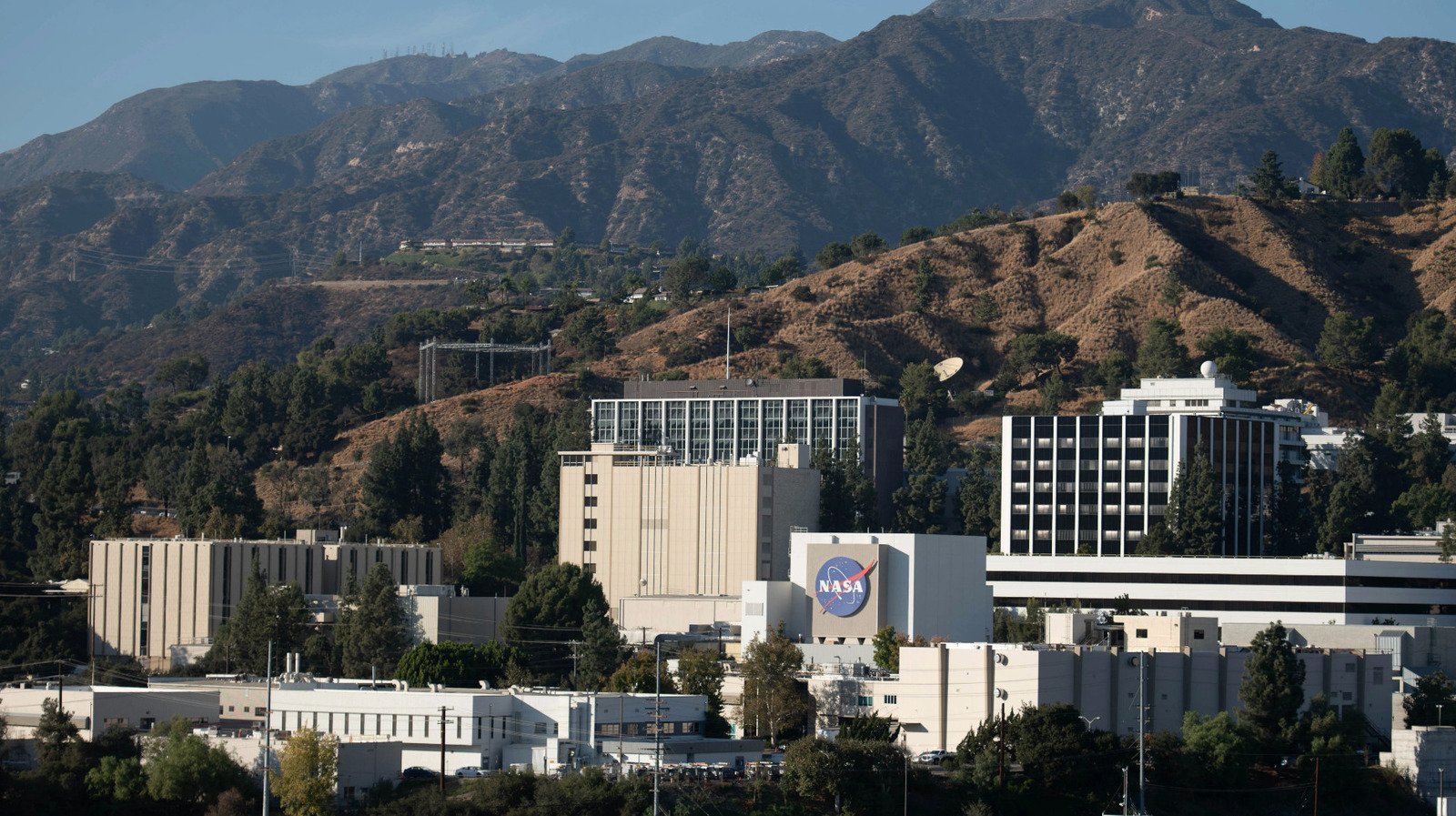
The current contract with Caltech ends in 2028.
NASA is opening up bids for who will run the Jet Propulsion Laboratory (JPL) once the contract with Caltech expires in 2028. This is a pretty big deal, as Caltech has run the program since its founding in 1936. The JPL actually predates NASA by over two decades.
This doesn’t mean that Caltech is getting shut out. It just means that NASA is looking into other options. The agency issued a notice to solicit responses from any interested parties, as “the rapid growth of the US space economy indicates there may now be a viable competitive market.”
NASA says “conducting a competition for this contract” will enable the agency to “assess the potential benefits of alternative management approaches.” This includes “opportunities to enhance mission performance, innovation and overall cost and operational efficiency.”
It also said this is part of a “broader governmentwide and agency effort to find efficiencies.” The Trump administration has put NASA in its crosshairs in recent months, asking Congress to cut the agency’s budget by 23 percent.
These cuts would also directly impact the JPL. It’s possible NASA is looking for a new management partner with deep pockets. Funding the space agency accounts for around 0.35 percent of the $7 trillion federal budget and, after all, we live in a serious time where every penny counts.
Who could end up managing the JBL if not Caltech? This contract would be worth at least $30 billion and potential bidders could include other universities with strong aerospace engineering backgrounds, but also contractors like Lockheed Martin and Boeing.
This project is technically classified as a Federally Funded Research and Development Center (FFRDC.) These projects are typically managed by not-for-profit entities like universities, or a charitable arm of an existing corporation. However, it’s 2026 and nothing really matters anymore so who knows how this will shake out.
The space agency says it’s starting the search for a new partner long before the contract ends in 2028 so as to ensure project continuity. Laboratory operations shouldn’t be impacted, no matter what happens by 2028.