More people are paying close attention to what they eat, often tracking calories, exercising daily, and filling their plates with foods that seem naturally healthy, including fruits and vegetables. Yet even nutritious foods can carry hidden chemical concerns. Some contaminants can enter food from the environment, while others can form during high heat cooking methods such as heating, smoking, grilling, roasting, and frying.
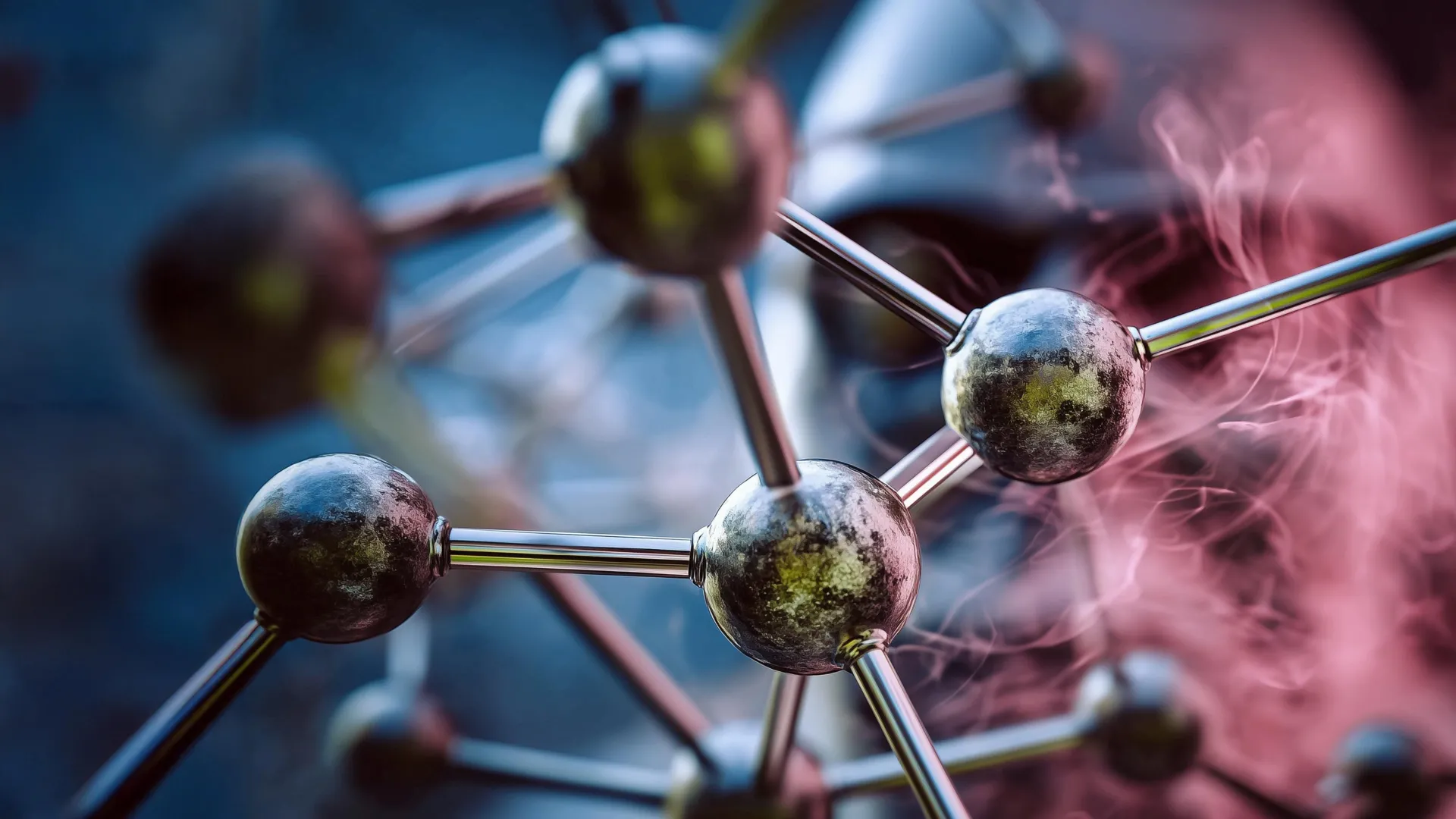
Among the compounds of concern are polycyclic aromatic hydrocarbons, or PAHs (hydrophobic organic compounds comprising multiple fused aromatic rings). Some PAHs are known for their cancer causing potential, which makes reliable food testing an important part of protecting public health.
A Hidden Food Safety Challenge
Detecting PAHs in food is not simple. Conventional extraction methods, such as solid phase extraction, liquid liquid extraction, and accelerated solvent extraction, can be affordable, but they often require lengthy preparation, heavy hands on labor, and chemical intensive procedures that are not ideal for workers or the environment.
To solve these problems, scientists have been turning to a streamlined method known as QuEChERS (Quick, Easy, Cheap, Effective, Rugged, and Safe). The approach is designed to speed up sample preparation, reduce chemical use, improve recovery rates, and make food contaminant testing more practical for routine safety checks.
In a 2025 study, researchers from the Department of Food Science and Biotechnology at Seoul National University of Science and Technology, led by Professor Joon-Goo Lee, used QuEChERS to measure eight PAHs (Benzo[a]anthracene, Chrysene, Benzo[b]fluoranthene, Benzo[k]fluoranthene, Benzo[a]pyrene, Indeno[1,2,3-cd]pyrene, Dibenz[a,h]anthracene, and Benzo[g,h,i]perylene in food. The findings were published in the journal Food Science and Biotechnology.
Faster Testing With Strong Accuracy
The team used acetonitrile to extract PAHs from food samples, then tested several purification strategies involving different combinations of sorbents. The method was validated across multiple food matrices, showing strong performance. Calibration curves for all eight PAHs had R2 values above 0.99, indicating a highly linear and reliable measurement system.
Further analysis using gas chromatography and mass spectrometry showed that the limits of detection ranged from 0.006 to 0.035 µg/kg, while the limits of quantification ranged from 0.019 to 0.133 µg/kg. Recovery rates were also strong, ranging from 86.3 to 109.6% at 5 µg/kg, 87.7 to 100.1% at 10 µg/kg, and 89.6 to 102.9% at 20 µg/kg. Precision values stayed between 0.4 and 6.9% across all tested food matrices.
The study also reported that, among the foods tested, the highest PAH levels were found in soybean oil, followed by duck meat and canola oil.
Prof. Lee explains, “This method not only simplifies the analytical process but also demonstrates high efficiency in detection compared to conventional methods. It can be applied to a wide range of food matrices.”
Why PAHs Matter
PAHs can form when food is exposed to high temperatures or smoke. According to the National Cancer Institute, PAHs can develop when fat and juices from meat drip onto a hot surface or open flame, creating smoke that deposits these compounds onto the food. PAHs can also form during smoking and may be found in sources such as cigarette smoke and car exhaust fumes.
The NCI notes that PAHs and related high temperature cooking compounds have caused cancer in animal studies, although human population studies have not established a definitive link between exposure from cooked meats and cancer. This uncertainty is one reason more accurate measurement tools are valuable. Better testing can help regulators, researchers, and food companies understand where contamination is occurring and how it can be reduced.
Newer Research Points to Broader Use
Since the SeoulTech study, other researchers have continued refining QuEChERS based methods for PAH detection. A 2025 study in Foods developed a modified QuEChERS method with a freeze out step and applied it to 302 retail food samples. That work found the highest concentration of four priority PAHs in Kezuribushi, a smoked and dried fish product, and identified grilled chicken feet as a possible health concern based on the European Food Safety Authority margin of exposure approach.
Another 2025 study focused on cereals and cereal based products. Researchers developed a modified QuEChERS method using Z Sep⁺ clean up and gas chromatography with tandem mass spectrometry. In 96 cereal samples and 18 cereal based products from the Romanian market, only chrysene was quantified in 17% of cereal samples, while no PAHs were quantified in the derived products.
Together, these newer findings suggest that QuEChERS based approaches are becoming increasingly useful for different food categories, from oils and meats to smoked products and cereals. They also show why food specific testing matters, since PAH levels can vary widely depending on ingredients, processing, cooking methods, and environmental exposure.
Safer Food Testing and Cleaner Labs
For the food industry, a faster and more efficient PAH testing method could improve safety management by making it easier to inspect products before they reach consumers. The approach may also reduce costs and improve working conditions by cutting down on time consuming procedures and limiting the use of hazardous chemicals.
“Our research can improve public health by providing safe food. It also reduces the use and emission of hazardous chemicals in laboratory testing,” concludes Prof. Lee.
The broader takeaway is clear: food safety testing is becoming faster, cleaner, and more precise. By improving how scientists detect PAHs, methods like QuEChERS could help identify hidden contaminants, support safer food production, and reduce chemical waste in the lab.
About Professor Joon Goo Lee
Joon Goo Lee is a Professor at the Department of Food Science and Biotechnology, Seoul National University of Science and Technology. He is an expert in food regulation and safety assessment. He served as a scientific officer at Korea’s Ministry of Food and Drug Safety and as a visiting researcher at FSANZ. He is a member of the National Food Sanitation Committee and an expert for the FAO/WHO JECFA. He also serves as the executive director of the Korean food safety societies. His research focuses on risk assessment and the reduction of contaminants in food, contributing to science based policies and improved public health.