Beirut, Lebanon – Shortly after Mario Habib opened his barber shop in 2006, a war broke out between Israel and Hezbollah. Twenty years on, he’s living through another war.
The shop has become a fixture of his Furn el-Shebbak neighbourhood. Mario, a 51-year-old with tattoos and short black hair, slips in jokes as he cuts his clients’ hair, a steady stream visiting throughout the day.
Recommended Stories
list of 3 itemsend of list
But Mario has noticed that he isn’t as busy as he used to be. Israel’s war on Lebanon and the US-Israel war on Iran are damaging Lebanon’s economy. Prices are rising as a result of supply issues – particularly of oil from the Gulf region, which has largely stopped since the US and Iran blockaded the Strait of Hormuz. And, in Lebanon, which had already been suffering from an economic crisis, there is less work, and people are losing their jobs.
“The price of running the generator is killing me,” he said. “Everything has gotten more expensive, the price of petrol doubled, the supermarket is more expensive, even the products [I use for my business] got more expensive.”
Lebanon’s government had been positive about the country’s economy last year, with the World Bank recording a modest 3.5 percent GDP growth in 2025.
But with the country back in the throes of war and the global impact from the war on Iran, that growth appears to have been eradicated.
In March, inflation reached an 18-month high in Lebanon. Lebanon’s Bank Audi now predicts that there will be 0 percent GDP growth in 2026 if the war continues.
But, despite the hits, Mario said he that he refuses to raise his prices.
“I always prefer that the person who comes here is comfortable,” he said. “A lot of things are more expensive, but I prefer to be conservative on this. I feel like if you come to me, you want to be happy and relaxed.”
Compounding effects
On March 2, Israel intensified its war on Lebanon. After 15 months of Israeli ceasefire violations, Hezbollah responded to Israeli attacks and the assassination of Iran’s Supreme Leader Ayatollah Ali Khamenei two days earlier.
It was the second time Israel expanded its attacks on Lebanon in less than two years. But it also came amid a myriad of other crises for Lebanon, which economists say have had a compounding effect on Lebanon’s economy and society.
In 2019, years of financial mismanagement resulted in a banking crisis, cutting off people in the country from their money. The currency soon entered a freefall and lost more than 90 percent of its value.
The Beirut port explosion in 2020 killed 218 people, and was followed by worsening state services in 2021 and 2022 and a wave of mass emigration. Then, in October 2023, Hezbollah and Israel went to war, which led to the displacement of thousands of Lebanese, many of whom have not returned home in almost three years.
In 2024, Israel intensified its attacks on Lebanon and displaced more than one million people. To stay afloat – either as businesses or families – many used a part of the full portion of their savings. Others lost jobs as companies were forced to close down or cut their workforce.
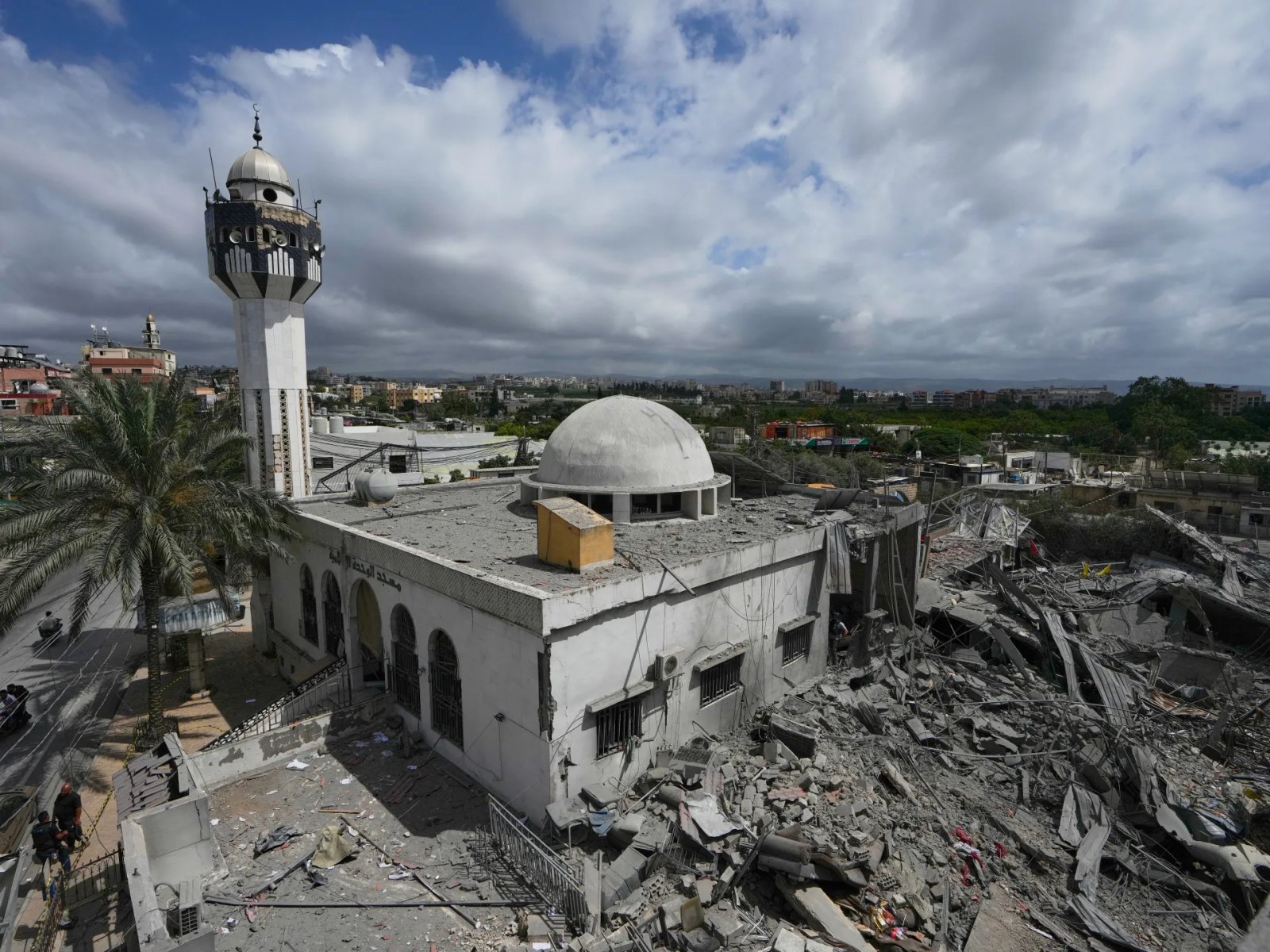
An economic rebound followed the November 2024 ceasefire deal, despite thousands continuing to be displaced from their homes in southern Lebanon. But Israel’s attacks since March have now ruined that, with more than 1.2 million people displaced, numerous villages in southern Lebanon razed to the ground, and many homes and businesses in parts of eastern Lebanon’s Bekaa Valley and Beirut’s southern suburbs in ruins.
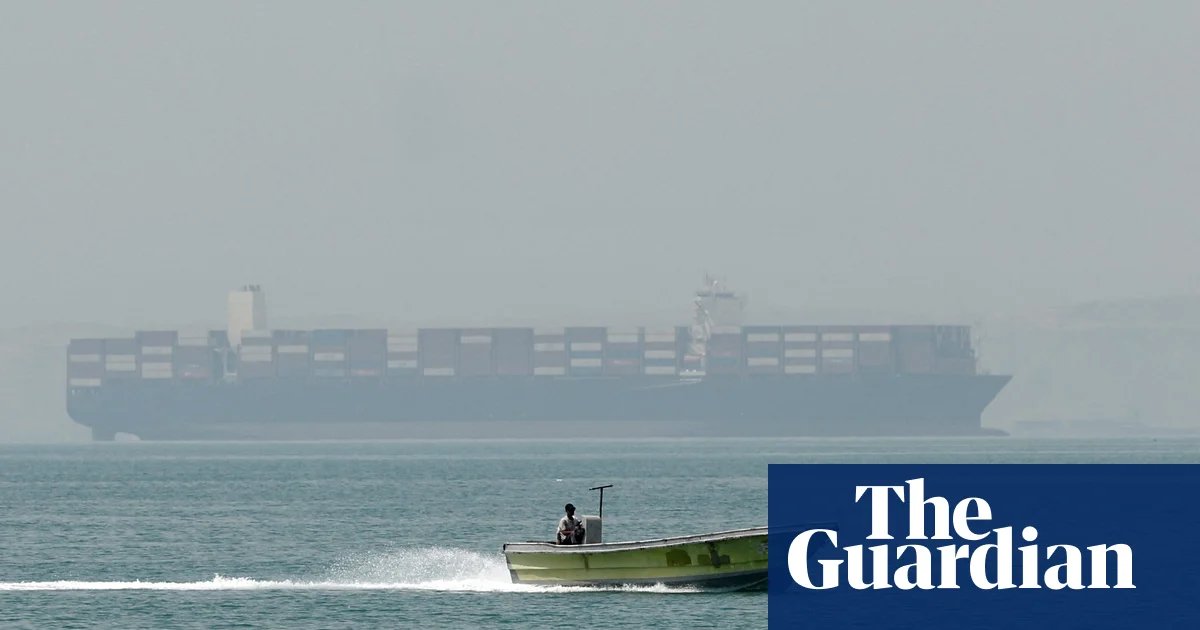
There is also the issue of prices increasing globally due to the US-Israeli war on Iran, which has particularly affected fuel and other costs due to the closure of the Strait of Hormuz.
Sami Zoughaib, an economist and research manager at The Policy Institute, a Beirut-based think tank, said Lebanon is experiencing “a very unique moment in economic history”.
“This is a war that comes after a war,” Zoughaib said. “It comes after institutional collapse. It comes after one of the worst financial crises in history.”
Should this pattern continue, Zoughaib said Lebanon’s economy could soon be unviable, with many investors deciding that opening or operating businesses is not worth the return. And while some areas had been hit harder than others, Zoughaib said, the impact had been felt across the country, with no one left untouched by the economic impact of the war.
Societal fracture
The 2023-2024 phase of the war saw significant economic losses in Lebanon.
“Agriculture, commerce, and tourism, sectors accounting for 77 percent of economic losses, are key income sources for low-wage and informal workers now at risk,” according to the World Bank, which in March 2025 put reconstruction and recovery costs from the conflict at about $11bn.
In late April, Lebanon’s Finance Minister said war-related losses in 2026 were about $3bn, though assessments were ongoing. A month later, Israel is still attacking and issuing displacement orders on a daily basis, meaning the total amount is expected to be much higher.
The people taking the most hits are the poorest and most vulnerable, according to Farah Al Shami, senior fellow and program director for social protection at the Arab Reform Initiative.
In 2023, remittances to Lebanon were approximately $6.6bn, according to World Bank figures. This year’s figures are expected to drop significantly.
A 2023 UNDP report said that oil prices highly impact the level of remittances, particularly from GCC countries. Since March, oil prices have gone up approximately 65 percent according to the World Bank, meaning many of the remittances to Lebanon from Gulf countries will be affected, Al Shami said.
But there has also been a societal impact. Israel’s attacks have exacerbated internal divisions in Lebanon, which political analysts say is an intentional tactic. They say Israeli leaders feel that divided neighbours will be easier to manage.
And economists believe that the effect that the economy has had on people will lead to further fissures in society. Zoughaib said that Lebanon’s political elite have historically stopped any kind of working class solidarity by looking for political scapegoats, and that pattern could be utilised again.
The displacement crisis has mostly impacted Lebanon’s Shia community, from which Hezbollah draws its support. But Israel’s attacks on predominantly Shia areas have pushed communities into other mixed or homogeneous areas.
Sometimes, Israel has attacked those areas, too, again fueling sectarian rifts. Zoughaib said that he thinks some of the political elites will fuel these rifts, putting the blame for the faltering economy on displaced people willing to work for lower wages – a pattern that has blamed Syrians or Palestinians in the past.
“That is, for me, very dangerous,” Zoughaib said.