Brazil’s Tourism Board, Embratur, is spearheading an eight-pronged strategy to boost audiovisual-inspired tourism in the country. After all, studies reveal that some 90 million people worldwide choose their holiday destinations based on what they’ve seen on films, TV series and digital games.
Case in point: Dubrovnik, Croatia is still overwhelmed by tourists keen to see where Cersei Lannister’s walk of shame took place in “Game of Thrones.” Rio de Janeiro and its celebrated carnival probably first caught the world’s attention with the 1959 Oscar-winning classic, “Black Orpheus.” More contemporary gems such as “City of God,” “Elite Squad” and “Four Days in September” showcased a grittier but still compelling city. But Embratur is also keen to lure people away from the well-trodden beaches of Rio de Janeiro.
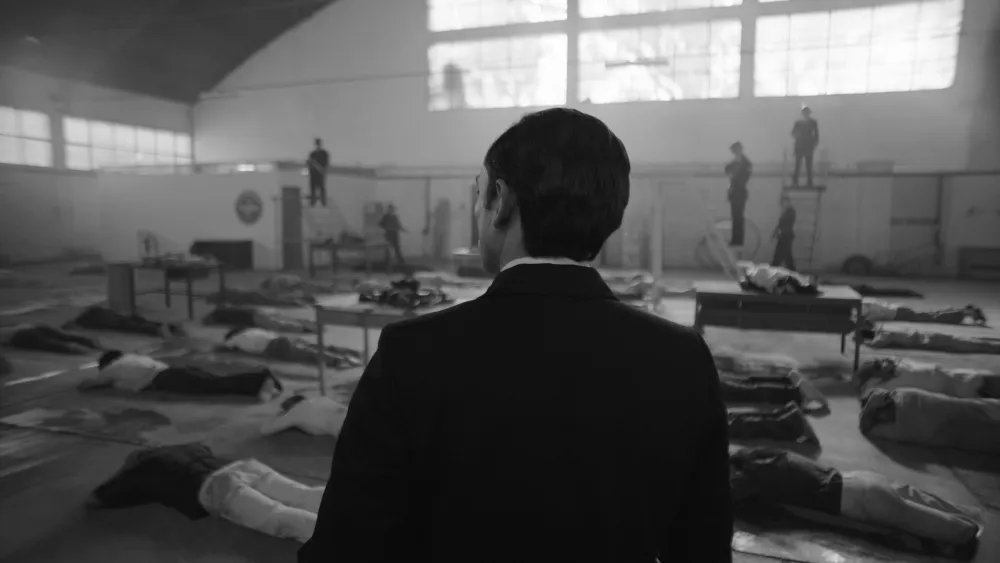
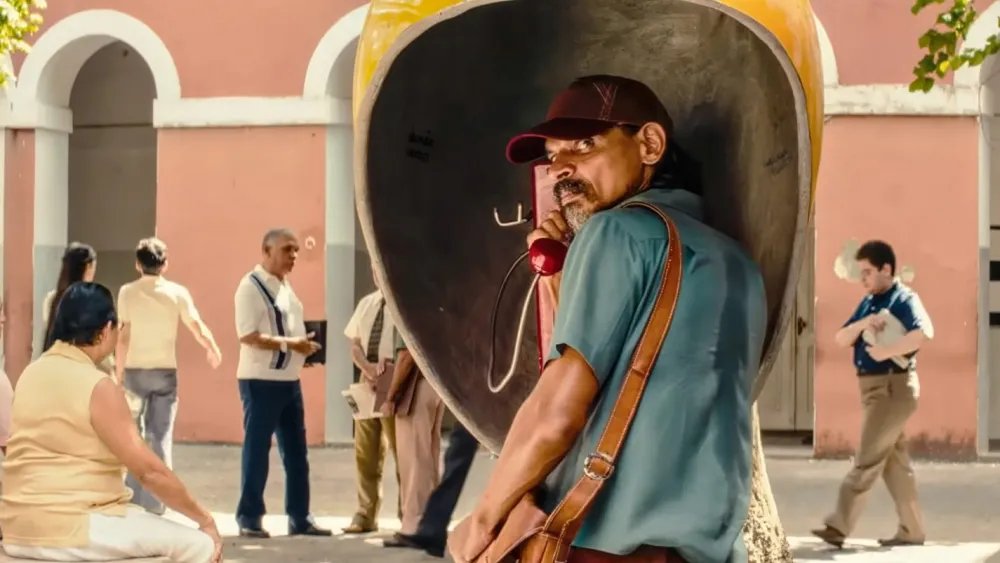
Kleber Mendonça’s “The Secret Agent,” which received four Oscar nominations, won four key awards in Cannes last year and swept the Premios Platino in April, has shone a spotlight on the state capital of Recife, where it was shot.
Recife, Courtesy of Embratur
Around three years ago, with the revival of policies aimed at strengthening the audiovisual industry, Embratur began developing a portfolio of projects designed to connect with the audiovisual sector in partnership with the federal government, film commissions, third-sector institutions, film festivals, producers and sales agents.
It was the first time in the agency’s 60-year history to work hand-in-hand with the audiovisual sector.
“For Embratur, strengthening this connection between culture, image and tourism is a powerful international promotion strategy, capable of turning curiosity and greater awareness of Brazil into real journeys. At the same time, it helps strengthen the creative economy, expand Brazil’s global visibility and support more sustainable development for both tourism and the audiovisual sector,” says Roberto Gevaerd, director of management and innovation at Embratur.
“Increasing the international reach of Brazilian audiovisual productions is also a way of promoting Brazil to the world. Audiovisual storytelling has a unique power to spark curiosity and emotional connection — when cinema showcases Brazil’s landscapes, stories and culture, it also inspires travel and brings people closer,” he adds.
These eight initiatives now form the core of Embratur’s still building audiovisual strategy:
Screen Brasil
Introduced last year in partnership with Projeto Paradiso in a bid to fortify the presence of Brazilian cinema in the global arena, Screen Brasil selects three projects and their respective sales agents.
The winners of the second edition are being announced May 18 at Cannes Marché du Film where they will be awarded $15,000 each towards the distribution, promotional and marketing efforts tied to their films.
Screen Brasil will introduce two application rounds — one in late 2026 and another in early 2027 — to better align with year-round festival and sales agent negotiations. The release window has also been extended from six to 12 months, giving distributors greater flexibility in scheduling releases.
HBF+Brazil
Launched last year, the alliance between the Rotterdam Film Festival’s Hubert Bals Fund (HBF) with Brazil’s Projeto Paradiso, RioFilme, Spcine and Embratur, dubbed HBF+Brazil, backs the early development of fiction pics by Brazilian filmmakers working on their second or third feature film. Grants worth $11,600 (€10,000) are doled out to the selected films, mainly from São Paulo and Rio de Janeiro. Last year saw a total of 10 features receive grants. Embratur, for its part, will support two projects this year, bringing up the total to 11.
To mark the second edition, the initiative’s partners will host a panel discussion at the Marché du Film in Cannes on Monday May 18. It will feature panelists Tamara Tatishvili, Head of the Hubert Bals Fund (Netherlands), Frank Hoeve, Baldr Film (Netherlands), Ivan Melo, CUP Filmes (São Paulo) and Tatiana Leite, Bubbles Project (Rio de Janeiro).
Public Call for Short Films – “Brasil com S”
For the third consecutive year, Embratur has launched the public call for short films “Brasil com S,” its first initiative among the eight, where it backs five short films a year in a bid to discover new talent and drive up national film production.
Projects span all genres, from fiction, animation to documentary and other non-serialized formats. Selected projects receive mentorship in production, directing, and screenwriting through a partnership with Projeto Paradiso and Paradiso Multiplica. The completed films premiere at the Tiradentes Film Festival before being showcased to sales agents at the Clermont-Ferrand International Short Film Festival.
To date, the program has developed nine award-winning short films, with five more currently in mentorship.
Support for National and International Brazilian Film Festivals
Through strategic sponsorships, Embratur funds and activates film festivals in Brazil and abroad, using cinema as a bridge between audiovisual storytelling and tourism.
In the past three years alone, Embratur has backed major festival events including the São Paulo International Film Festival, Gramado Film Festival, Tiradentes Film Festival, Rio2C, Rio Film Festival, Brazilian Film Festival of Paris, Brazilian Film Festival of Toronto and the Cartagena Film Festival, among others.
Partnership with Netflix
Inspired by successful Netflix campaigns in France and Spain, the partnership launched a virtual travel guide featuring itineraries and experiences tied to popular Netflix titles that highlight the destinations and culture Embratur wants to promote.
Eight guides are set to launch by December, with editions focused on the Amazon region and Brazil’s beaches already live.
“We’ve continued developing these projects with Netflix, producing a number of series and, this June, launching a new project focused on the cities hosting the Women’s World Cup. The idea is always the same: to showcase Brazil in ways that feel organic rather than obvious. Across every project, our goal is to put Brazil on screen through authentic stories, places, and experiences, says Christiano Braga, Embratur Audiovisual Coordinator.
Digital Games
Now in its third edition, the “Brasil Tá Pra Game” Award brings together Embratur, the Brazilian Game Developers Association and Brazilian studios to promote the country through gaming, creativity and innovation.
Selected games must be original, high-quality works that showcase Brazilian culture through stories, characters, landscapes, music and contemporary cultural expression. In 2026, Embratur will present the winning titles from all three editions at a dedicated showcase booth at Gamescom Cologne.
Says Marina Arruda, Embratur innovation manager: “Younger audiences spend hours immersed in games, so we saw an opportunity to showcase Brazil’s culture, food, music and celebrations in that space as well. We launched initiatives and open calls for game developers to bring more Brazilian stories into gaming.”
Cria Brasil Award – Partnership with YouTube
Aimed at reaching new and younger audiences, this call for proposals will select and fund up to three original short-form video projects by digital creators with active YouTube channels, aimed at showcasing Brazil as a diverse, sustainable and innovative tourism destination.
It calls for projects that are original, highly engaging and designed for strong digital impact, expanding how Brazil is represented across online video platforms and strengthening its global presence. Selected works may also be used by Embratur for institutional promotion and international outreach. This is the initiative’s first edition, focused on the audiovisual language of digital creators.
Creation of the Federal Film Commission
Embratur forms part of the technical work group developing the Federal Film Commission, alongside six ministries and Brazil’s network of 30 local film commissions. The draft bill has already been finalized and is now with the Ministry of Culture, moving the initiative toward implementation as a national public policy.
This could be the trickiest proposal given the relative slowness of governments in general.
“The idea behind the Federal Film Commission is to establish federal-level incentives that can attract international productions to Brazil more broadly, while also encouraging projects to circulate across the country and showcase its diverse regions,” says Braga.